Oysters and Pearls
Rate this recipeBe the first to rate
 By AprilPublished
 When it comes to luxury and indulgence, few things can compare to the exquisite delicacy of oysters and pearls.
 By AprilPublished
 When it comes to luxury and indulgence, few things can compare to the exquisite delicacy of oysters and pearls.
Begin by soaking the tapioca in 1 cup of milk for 1 hour. You can speed up the process by placing it in a warm area.
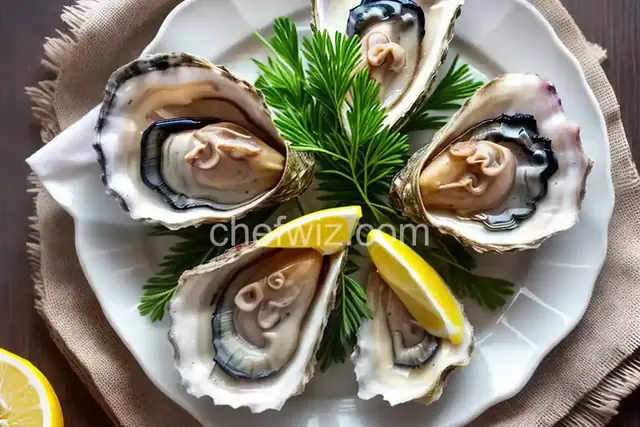
Shuck the oysters and remove the muscle and outer ruffled edge. Keep the trimmed oysters aside and place the trimmings in a saucepan. Strain the oyster juice into a separate bowl, aiming for about 1/2 cup of juice.
Whip 1/2 cup of cream in a bowl until it holds its shape. Store it in the refrigerator for later use.
Drain the softened tapioca using a strainer and discard the milk. Rinse the tapioca under cold running water, then place it in a small heavy pot.
Pour the remaining 3/4 cup of milk and 3/4 cup of cream over the oyster trimmings in the saucepan. Bring it to a simmer, then strain the infused liquid onto the tapioca. Discard the trimmings.
Cook the tapioca over medium heat, stirring constantly with a wooden spoon. It should thicken and leave a trail when the spoon is pulled through, which takes around 7 to 8 minutes. Continue cooking for another 5 to 7 minutes until the tapioca becomes translucent and has no resistance in the center. The mixture will be sticky and should cling to the spoon when lifted.
Remove the pot from the heat and set it aside in
When it comes to luxury and indulgence, few things can compare to the exquisite delicacy of oysters and pearls. These treasures from the sea have captured the hearts and palates of food enthusiasts and connoisseurs around the world. But what makes oysters and pearls so special? Let's dive deeper into their allure and discover the magic behind these culinary gems.
Oysters, those unassuming mollusks nestled within their rough and unassuming shells, hold within them a world of flavor and intrigue. Just like hidden treasures waiting to be discovered, oysters offer a unique taste that can vary depending on their origin. From the briny and bold flavors of the Atlantic to the delicate and sweet notes of the Pacific, each oyster tells a story of its maritime home.
Shucking an oyster is an art form in itself. With a deft hand and a well-placed knife, the shell is opened, revealing the glistening, succulent meat inside. It's a moment of anticipation and excitement, akin to unwrapping a present. The oyster's natural brine is a testament to its pristine habitat, reflecting the essence of the sea.
When it comes to oysters, texture plays a vital role in the overall experience. The meat can range from creamy and smooth to firm and meaty, offering a delightful contrast to the palate. The subtle crunch of the shell adds an element of surprise, enhancing the sensory adventure.
Pearls, on the other hand, are the epitome of elegance and refinement. Born from the depths of the sea, these lustrous gems hold a captivating allure that has fascinated humanity for centuries. Just like oysters, pearls come in various shapes, sizes, and colors, each one unique in its own right.
A pearl begins its journey as an irritant—a grain of sand or a wayward piece of shell that finds its way into the oyster's soft tissue. In response, the oyster secretes layers of nacre, a lustrous substance that coats the irritant, gradually forming a pearl. It's a testament to the oyster's ability to transform adversity into something beautiful.
Unlike other gemstones, pearls are not flawless. They bear the mark of their origin, with variations in shape, size, and surface texture. It is these imperfections that lend pearls their unique character and charm, making each one a true work of art.
When oysters and pearls come together, it's a match made in culinary heaven. The briny, fresh taste of the oyster perfectly complements the delicate, iridescent beauty of the pearl. Just like yin and yang, they balance and elevate each other, creating a symphony of flavors and textures.
Throughout history, oysters have been celebrated for their aphrodisiac properties. Their indulgent taste and sensual texture awaken the senses and evoke a sense of desire. Paired with the elegance and allure of pearls, it's a combination that sparks passion and romance.
Whether enjoyed as an appetizer or the centerpiece of a luxurious meal, oysters and pearls offer a sensory experience unlike any other. Each bite is a celebration of the ocean's bounty and the wonders it holds. So, indulge in the pleasure of oysters and pearls, and let yourself be swept away by their magic.
Yes, oysters can be safely consumed raw, but it's essential to ensure they are fresh and sourced from reputable suppliers.
Fresh oysters should have a briny smell, a tightly closed shell, and the meat should be plump and glistening.
No, pearls come in a range of colors, including white, pink, black, and even rare hues like blue and green.
Pearls are graded based on factors like size, shape, luster, surface quality, and color. Higher-grade pearls exhibit exceptional qualities in these areas.
Yes, oysters can be farmed through aquaculture methods, which help sustain their populations and ensure a consistent supply.
Oysters are considered a delicacy due to their unique flavor, rarity, and the intricate process of shucking and serving them.
It can take anywhere from several months to several years for an oyster to form a pearl, depending on various factors.
While technically edible, pearls found inside oysters are typically not consumed as they are valued more for their beauty and used in jewelry.
AprilCook, recipe developer and the heart of Chefwiz. More about April