Pastiera Napoletana
Rate this recipeBe the first to rate
 By AprilPublished
 Have you ever tasted a dessert that transports you to a different time and place?
 By AprilPublished
 Have you ever tasted a dessert that transports you to a different time and place?
Begin by soaking 100 g (3½ oz) of farro or wheat grains in cold water for three days, changing the water daily.
In a food processor, combine the flour, icing sugar, salt, orange zest, and butter until it reaches a fine breadcrumb consistency.
Add the egg yolks to the mixture and blend again until the dough comes together. If the dough is still dry, add a tablespoon or two of iced water to help it bind.
Shape the dough into two equal rounds, wrap them in clingfilm, and chill in the fridge for at least 30 minutes.
Grease a 23 cm (9 in) cake tin/crostata tin with butter and lightly dust it with flour.
Roll out one of the dough rounds to a thickness of approximately 2 mm (1/16 in) and line the cake tin, ensuring that the dough extends up the sides to create a depth of 5–7.5 cm (2–3 in). Trim any excess dough and save it for later.
Chill the pastry case in the fridge for 30 minutes.
Preheat the oven to 180°C (350°F).
Remove the pastry case from the fridge and blind-bake it until it turns golden, which should take around 15 to 20 minutes. Allow it to cool while preparing the filling.
On the third day of soaking, drain the farro
Have you ever tasted a dessert that transports you to a different time and place? One that not only satisfies your sweet tooth but also takes you on a culinary journey? If not, then you must try Pastiera Napoletana, a traditional Italian cake that originates from the beautiful city of Naples. This delectable treat is a celebration of flavors and textures, combining the richness of ricotta cheese, the aroma of orange blossom water, and the crunch of wheat grains. Let's dive deeper into the history, ingredients, and preparation of this heavenly dessert.
Legend has it that Pastiera Napoletana dates back to ancient Roman times when it was offered as a gift to the goddess Ceres, the goddess of agriculture and fertility. Over time, this humble offering evolved into a cherished Easter tradition in Naples. Its popularity spread beyond the borders of Italy, captivating the hearts and palates of dessert lovers worldwide.
What makes Pastiera Napoletana so special? It's all in the ingredients. The star of the show is undoubtedly the ricotta cheese. Its creamy and slightly tangy flavor provides the perfect base for the cake. To complement the ricotta, you'll need wheat grains, which add a delightful texture and a hint of nuttiness. The citrusy notes come from candied orange peel, while the aroma is enhanced by the addition of orange blossom water. These ingredients, along with eggs, sugar, and a touch of cinnamon, blend together to create a symphony of flavors.
Now that we know the ingredients, let's dive into the preparation process. Making Pastiera Napoletana requires patience and love. The first step is to cook the wheat grains until they are soft and tender. Meanwhile, prepare the ricotta filling by combining ricotta cheese, sugar, eggs, and orange blossom water. Once the wheat grains are cooked, mix them with the ricotta filling, along with candied orange peel and a sprinkle of cinnamon. Pour the mixture into a pastry crust and bake it until golden brown. The result? A heavenly cake that will leave you craving for more.
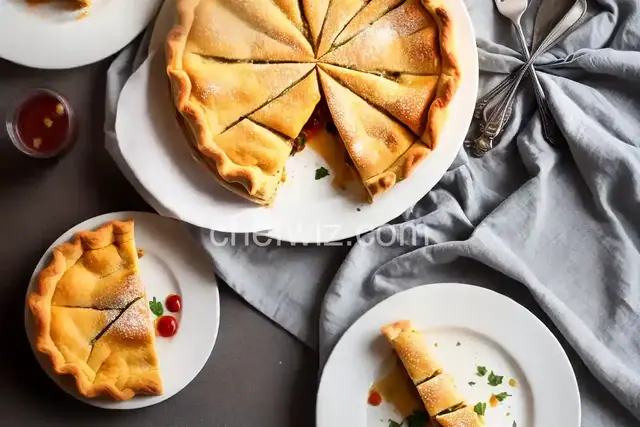
Traditionally, Pastiera Napoletana is served cold and dusted with powdered sugar. The flavors meld together beautifully as the cake chills in the refrigerator, making it the perfect dessert to enjoy on a warm summer day. Each bite is a harmonious blend of textures, with the creamy ricotta, the chewy candied orange peel, and the satisfying crunch of the wheat grains. It's a true delight for the senses.
Pastiera Napoletana is more than just a cake; it's a symbol of tradition, love, and the joy of sharing a delicious dessert with loved ones. Whether you're celebrating Easter or simply craving a taste of Italy, this heavenly treat will transport you to the charming streets of Naples with every bite. So go ahead, grab a slice, and indulge in the magic of Pastiera Napoletana.
While wheat grains are a key ingredient in the traditional recipe, you can experiment with substitutes such as cooked rice or semolina if you have dietary restrictions or simply prefer a different texture.
When stored properly in an airtight container in the refrigerator, Pastiera Napoletana can last for up to 5 days. However, it's so delicious that it rarely lasts that long!
Yes, you can freeze Pastiera Napoletana. Slice it into individual portions, wrap them tightly in plastic wrap, and place them in a freezer bag. When you're ready to enjoy a slice, let it thaw in the refrigerator overnight.
Absolutely! While the traditional recipe calls for orange, you can experiment with lemon zest or even a combination of both citrus fruits to add your own personal touch to the dessert.
Yes, you can make a gluten-free version of Pastiera Napoletana by using gluten-free flour for the pastry crust and substituting the wheat grains with a gluten-free grain, such as quinoa or millet.
While Pastiera Napoletana may require some time and effort, it is not overly complicated. With a little patience and love, you can create a delicious cake that will impress your family and friends.
Absolutely! Pastiera Napoletana is a versatile dessert that can be customized to your liking. You can add a handful of chopped nuts, a splash of liqueur, or even a touch of vanilla extract to make it your own.
While Pastiera Napoletana is traditionally associated with Easter, there's no reason why you can't enjoy this delightful dessert all year round. After all, every day is a good day for a slice of heaven!
AprilCook, recipe developer and the heart of Chefwiz. More about April