Nougat
Rate this recipeBe the first to rate
 By AprilPublished
 Have you ever experienced the sheer joy of sinking your teeth into a soft, chewy nougat?
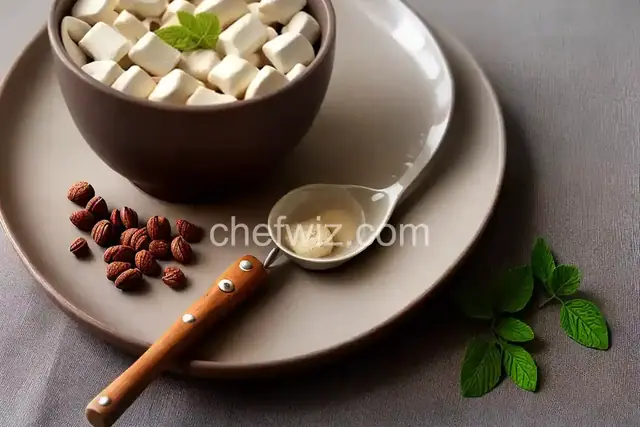 By AprilPublished
 Have you ever experienced the sheer joy of sinking your teeth into a soft, chewy nougat?
Prepare a 4 by 6-inch baking pan by lining the sides and base with rice paper.
In a heatproof bowl, whisk the egg white until it becomes stiff.
In a small saucepan, combine the sugar, glucose, honey, and water. Stir over very low heat until the mixture reaches the small crack stage or 275 degrees F on a candy thermometer. This should take about 3 to 5 minutes.
Remove the saucepan from the heat. While continuously whisking, gradually pour the syrup into the egg white. Continue whisking until the mixture becomes glossy and starts to stiffen.
Stir in the almonds and spread the mixture evenly over the rice paper in the prepared pan. Press it down firmly.
Cover the nougat with another layer of rice paper and place a light weight evenly on top.
Allow the nougat to cool completely, then cut it into squares.
Wrap each square in waxed paper and store them in an airtight container.
Have you ever experienced the sheer joy of sinking your teeth into a soft, chewy nougat? If you haven't, you're in for a treat! Nougat is a confectionery delight that has been tantalizing taste buds for centuries. Its delectable combination of sugar, nuts, and honey creates a symphony of flavors that is hard to resist. So, let's embark on a journey to explore the world of nougat and discover what makes it so special.
Nougat traces its roots back to ancient Persia, where it was known as "Halva Ardeh." This sweet delight made its way to Europe during the medieval times, where it gained immense popularity. Over the years, various regions have put their unique spin on nougat, resulting in different variations.
When it comes to nougat, there are two main types: soft and chewy, and hard and crunchy. The soft variety, also known as "white nougat," is made by combining beaten egg whites, sugar, and nuts. On the other hand, the hard variety, known as "torrone," is made by cooking sugar and honey to a hard crack stage and then adding nuts.
One of the best things about nougat is its versatility. It can be enjoyed on its own as a sweet snack or used as an ingredient in various desserts. From nougat ice cream to nougat-filled chocolates, the possibilities are endless. Its chewy texture and nutty goodness add a delightful element to any recipe.
Creating nougat is truly a labor of love. It requires precision, patience, and a keen eye for detail. The process involves carefully heating sugar and honey to a specific temperature, then slowly incorporating beaten egg whites and nuts. The mixture is then left to cool and set before being cut into bite-sized pieces. It's a delicate dance between science and art that results in a heavenly treat.
While nougat is enjoyed worldwide, some regions have their own unique variations. In Italy, torrone is a popular treat during Christmas, often made with almonds or hazelnuts. In Spain, turrón is a beloved delicacy, available in both hard and soft varieties. Each country adds its own twist to nougat, making it a culinary delight wherever it's enjoyed.
Nougat is a treat that has stood the test of time, enchanting dessert lovers with its irresistible blend of flavors and textures. Whether you prefer the soft and chewy variety or the hard and crunchy kind, there's no denying the joy that nougat brings. So, the next time you crave something sweet, indulge in a piece of nougat and let it transport you to a world of pure delight.
Yes, nougat is typically gluten-free as it does not contain any wheat flour. However, it's always best to check the ingredients to ensure there are no hidden gluten-containing components.
Absolutely! Making nougat at home can be a fun and rewarding experience. However, it requires precise measurements and careful attention to temperature. Be sure to follow a trusted recipe and take your time to achieve the perfect texture.
When stored in an airtight container, nougat can stay fresh for up to a month. However, its texture might change slightly over time, becoming firmer or softer depending on the humidity.
Absolutely! Nougat is incredibly versatile, and you can experiment with different flavors and add-ins. From dried fruits to chocolate chips, the options are endless. Let your creativity run wild and create your own signature nougat.
While nougat is undoubtedly a delicious treat, it's important to enjoy it in moderation. It is high in sugar and calories, so it's best to savor it as an occasional indulgence rather than a daily snack.
Absolutely! Nougat makes for a delightful gift, especially during festive seasons or special occasions. Package it in an elegant box or wrap it with a ribbon for a thoughtful and tasty present.
Yes, there are vegan-friendly nougat options available. Instead of using egg whites, these recipes often substitute aquafaba (the liquid from a can of chickpeas) to achieve the desired texture. It's a wonderful way to enjoy nougat while adhering to a vegan lifestyle.
Freezing nougat is not recommended as it can affect the texture and make it lose its chewiness. It's best to store it in a cool, dry place away from direct sunlight.
AprilCook, recipe developer and the heart of Chefwiz. More about April