New York Pretzels
Rate this recipeBe the first to rate
 By AprilPublished
 When you think of New York, what comes to mind? The bustling streets, the towering skyscrapers, and of course, the mouthwatering food.
 By AprilPublished
 When you think of New York, what comes to mind? The bustling streets, the towering skyscrapers, and of course, the mouthwatering food.
In a glass measuring cup, combine sugar, yeast, and 1 1/2 cups lukewarm water (105 to 110°F). Let it stand for about 5 minutes until it becomes foamy. If it doesn't foam, discard and start again with fresh yeast.
In a large bowl, whisk together 3 1/2 cups flour and 1 tablespoon table salt.
Add the yeast mixture to the flour mixture and stir with a wooden spoon until a dough forms.
Dust a work surface with 1 tablespoon flour and transfer the dough onto it. Knead the dough for about 8 minutes, gradually adding enough additional flour to make a smooth sticky dough. The dough should be somewhat sticky to make it easier to roll and shape into pretzels.
Return the dough to the bowl and cover tightly with plastic wrap. Let the dough rise in a warm, draft-free place until it doubles in size, which should take about 45 minutes.
Once doubled, transfer the dough onto a clean work surface and divide it into 8 equal pieces.
Roll each piece back and forth with your palms on a clean dry work surface to form a rope about 24 inches long. If the dough sticks to your hands, lightly dust them with flour.
Twist each rope into a pretzel shape, keeping in mind that the dough will retract slightly as you form the pretzel.
Place each pret
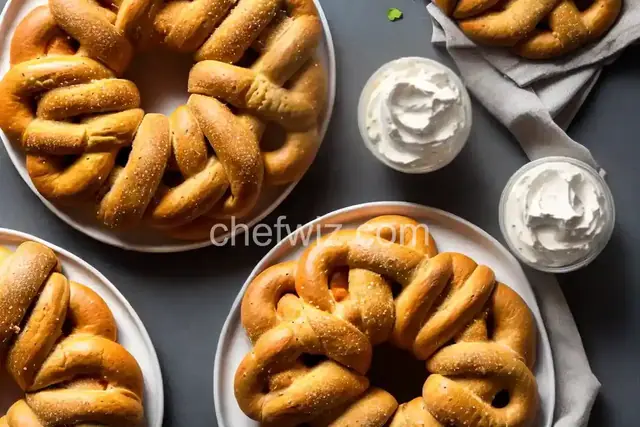
When you think of New York, what comes to mind? The bustling streets, the towering skyscrapers, and of course, the mouthwatering food. While the city is renowned for its pizza and bagels, there's another snack that has captured the hearts and taste buds of locals and tourists alike - New York pretzels. These twisted delights are not only a staple street food, but they also represent the vibrant and diverse culinary landscape of the Big Apple.
Like many beloved foods, the origins of the New York pretzel can be traced back to Europe. The pretzel, with its distinctive twisted shape, was brought to America by German immigrants in the 19th century. However, it was in New York City where the pretzel truly flourished, becoming a popular snack among both residents and visitors.
With its soft yet chewy texture and sprinkling of coarse salt, the New York pretzel quickly became a street food sensation. Vendors would set up their carts on busy corners, their warm pretzels enticing passersby with their tantalizing aroma. Today, you can still find these iconic carts scattered throughout the city, with their delicious offerings serving as a reminder of New York's rich history and culinary traditions.
So, what sets New York pretzels apart from their counterparts? It's all in the process. Traditional pretzels are boiled in a solution of water and baking soda before being baked, giving them their signature chewiness and golden-brown exterior. This method ensures that every bite is filled with flavor and texture.
But it's not just the preparation that makes these pretzels special; it's the toppings too. While some may prefer their pretzels plain, others opt for a variety of condiments to enhance the experience. From mustard and cheese sauce to cinnamon sugar and everything in between, there's a topping to suit every palate. The versatility of New York pretzels makes them a snack that can be enjoyed at any time of day, whether you're craving something savory or sweet.
If you find yourself in the streets of New York City, you won't have to look far to satisfy your pretzel cravings. As mentioned earlier, the city is dotted with pretzel carts, particularly in high-traffic areas such as Times Square and Central Park. These carts offer a convenient and delicious way to experience the iconic New York pretzel.
Additionally, many bakeries and delis throughout the city also offer their own take on the pretzel, with variations that cater to different tastes and dietary restrictions. Whether you prefer a classic salted pretzel or a gluten-free option, there's a pretzel for everyone in the city that never sleeps.
New York pretzels are more than just a snack - they're a symbol of the city's rich history and diverse culinary scene. From their humble beginnings as a German import to their status as a beloved street food, these twisted treats have become an integral part of New York's food culture. So, the next time you're in the Big Apple, don't forget to grab a warm, freshly baked New York pretzel and experience the magic for yourself.
New York pretzels have their roots in Germany, brought to America by German immigrants in the 19th century.
New York pretzels are made by boiling the dough in a solution of water and baking soda before baking them to perfection.
There are endless topping options for New York pretzels, including mustard, cheese sauce, cinnamon sugar, and more.
You can find New York pretzels at pretzel carts scattered throughout the city, as well as in bakeries and delis.
Yes, many bakeries and delis offer gluten-free versions of the classic New York pretzel.
Absolutely! New York pretzels make for a delicious snack or meal any time of day.
New York pretzels are known for their chewy texture, golden-brown exterior, and a wide variety of toppings to choose from.
While New York City is famous for its pretzels, you can also find them in other cities across the United States.
AprilCook, recipe developer and the heart of Chefwiz. More about April