Ciabatta: The Italian Slipper Bread
When it comes to bread, one cannot ignore the delightful Ciabatta, also known as the "Italian Slipper Bread." Just like a comfortable slipper, this bread is soft, airy, and perfect for any occasion. Whether you want to make a delicious sandwich or pair it with a hearty soup, Ciabatta is the ideal choice. Let's dive into the world of Ciabatta and discover why it has become a beloved bread around the globe.
The Origins of Ciabatta
Ciabatta, a traditional Italian bread, was first created in the 1980s by a baker in Verona. Its name comes from the Italian word "ciabatta," which means slipper. The bread got its name due to its shape, resembling a slipper. With its rustic appearance and crusty exterior, it is no wonder that Ciabatta has become a staple in Italian cuisine.
The Unique Texture
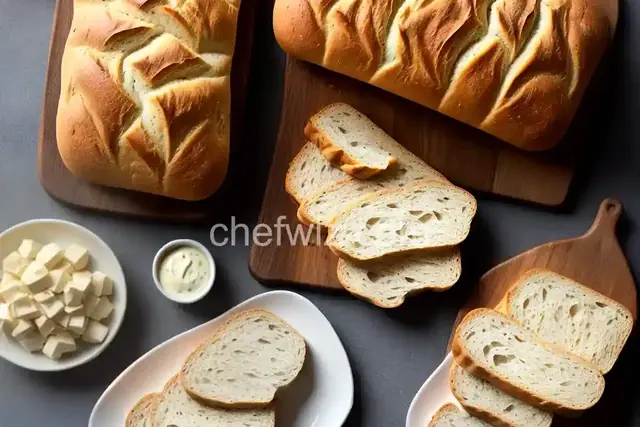
What sets Ciabatta apart from other bread varieties is its distinct texture. The inside of Ciabatta is soft, light, and full of irregular holes, giving it a characteristic chewiness. This texture is achieved through a special dough hydration process, resulting in a bread that is both tender and airy. The crust, on the other hand, is thin and crispy, adding a delightful crunch to each bite.
The Versatility of Ciabatta
One of the reasons why Ciabatta has gained popularity worldwide is its versatility. Its neutral flavor profile allows it to complement a wide range of ingredients and dishes. From making a classic Italian panini to creating a scrumptious bruschetta, Ciabatta can be used in countless ways. Its ability to hold its shape and soak up flavors makes it a go-to bread for sandwiches, dips, and even as a base for a delicious pizza.
The Art of Making Ciabatta
Creating the perfect Ciabatta requires time, patience, and attention to detail. The dough is made using a combination of flour, water, yeast, salt, and sometimes olive oil. The key is to let the dough ferment slowly, allowing the flavors to develop and the gluten to relax. This slow fermentation process contributes to the bread's unique texture and enhances its flavor.
Bread-Making Techniques
When it comes to shaping Ciabatta, the dough is handled delicately to preserve its airy structure. Instead of kneading vigorously, the dough is gently stretched and folded to create those characteristic irregular holes. The dough is then baked at a high temperature, which helps develop a golden crust while maintaining the softness of the interior.
Tips and Tricks
Here are a few tips to ensure your Ciabatta turns out perfectly:
- Use high-quality ingredients for the best flavor.
- Allow sufficient time for the dough to rise and ferment.
- Handle the dough gently to preserve its airy structure.
- Bake at a high temperature to achieve a crispy crust.
Conclusion
Ciabatta, the Italian Slipper Bread, is a true delight for bread enthusiasts. Its unique texture, versatility, and rustic charm have made it a beloved bread around the world. Whether you enjoy it as a sandwich, bruschetta, or pizza base, Ciabatta never fails to impress. So, why not try your hand at making this wonderful bread and experience the joy it brings to your dining table?
Frequently asked questions
- . Can I freeze Ciabatta?
Yes, you can freeze Ciabatta. To maintain its freshness, wrap it tightly in plastic wrap or foil before placing it in the freezer.
- . What is the best way to store Ciabatta?
Ciabatta is best stored in a paper bag or a bread box at room temperature. Avoid storing it in the refrigerator, as it can dry out the bread.
- . Can I make Ciabatta without a bread machine?
Absolutely! Ciabatta can be made without a bread machine. All you need is a mixing bowl, your hands, and a little bit of patience.
- . Can I use whole wheat flour to make Ciabatta?
While traditional Ciabatta is made with white flour, you can experiment with using whole wheat flour for a healthier alternative. Keep in mind that the texture and flavor may vary.
- . How long does it take to make Ciabatta?
The process of making Ciabatta can take several hours, including the rising and fermentation time. Plan ahead to allow enough time for the dough to develop and ferment properly.
- . Can I add herbs or cheese to Ciabatta?
Absolutely! Adding herbs or cheese to your Ciabatta dough can elevate its flavor. Experiment with different combinations to find your favorite.
- . Can I use a bread machine to knead the Ciabatta dough?
Yes, you can use a bread machine to knead the Ciabatta dough. Follow your bread machine's instructions for the best results.
- . Can I make mini Ciabatta rolls instead of a large loaf?
Yes, you can shape the Ciabatta dough into smaller rolls if you prefer individual servings. Adjust the baking time accordingly to ensure they are baked through.
 By AprilPublished