Pane di Altamura
Rate this recipeBe the first to rate
 By AprilPublished
 When it comes to bread, few things can compare to the delight of a freshly baked loaf.
 By AprilPublished
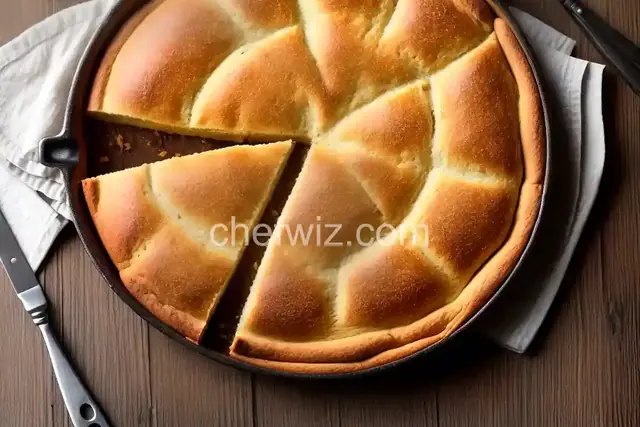
 When it comes to bread, few things can compare to the delight of a freshly baked loaf.
In a medium bowl, dissolve the yeast in warm water and let it sit for 15 minutes until it dissolves completely.
Add the tepid water and flour to the yeast mixture and stir vigorously with a wooden spoon for 1-2 minutes.
Transfer the mixture to a larger bowl that has been lightly oiled. Cover it with plastic wrap and let the starter rise at room temperature for at least 8 hours, preferably overnight.
In a large bowl, dissolve the yeast in warm water and let it sit for 15 minutes until it dissolves completely.
Add the starter and tepid water to the yeast mixture. Use your hands to break down the fibrous texture of the starter and incorporate the water and yeast into it. Then, use a wooden spoon to beat the mixture into a smooth batter.
Add the flour and salt to the mixture and use your hands to combine them into a rough dough.
Transfer the dough to a lightly floured work surface and knead it vigorously for at least 8 minutes until it becomes a smooth and elastic dough.
Place the dough in a lightly oiled bowl. Cover it tightly with plastic wrap and let it rise for 1 1/2 hours.
Turn the dough out onto the work surface and divide it into two equal pieces. Shape each piece into a fat oval, flattening the ends slightly and pinching them into tails.
Carefully transfer
When it comes to bread, few things can compare to the delight of a freshly baked loaf. The aroma, the texture, and the taste - all play a role in creating a sensory experience that is hard to replicate. If you are a bread enthusiast, then you must have heard of Pane di Altamura, the authentic Italian bread that has been enjoyed for centuries. In this article, we will explore the history, characteristics, and unique qualities of Pane di Altamura.
Pane di Altamura originates from the town of Altamura in the Apulia region of Southern Italy. This bread has a rich history that dates back to the ancient times. The unique characteristics of Altamura's land, climate, and wheat have contributed to the creation of a bread that is truly one-of-a-kind. The tradition of baking Pane di Altamura has been passed down through generations, ensuring its authenticity and quality.
Pane di Altamura stands out for its distinct characteristics. The bread is made from durum wheat, which gives it a golden color and a robust flavor. The crust is thick and crunchy, while the inside is soft and chewy. The bread has a unique aroma and a slightly sour taste, making it a perfect accompaniment to various dishes or enjoyed on its own. The use of natural yeast and a long fermentation process enhances the flavor and texture of the bread.
What sets Pane di Altamura apart from other bread is its Protected Designation of Origin (PDO) status. This means that the bread can only be called Pane di Altamura if it is made following strict guidelines and using traditional methods within the designated area. The PDO status ensures that the bread maintains its authenticity and guarantees its quality. The combination of traditional techniques, high-quality ingredients, and the dedication of skilled bakers results in a bread that is truly exceptional.
Pane di Altamura is a versatile bread that can be enjoyed in various ways. Its robust flavor and texture make it the perfect choice for sandwiches, bruschetta, or simply dipped in olive oil. Whether you are having a light lunch or a hearty dinner, Pane di Altamura adds a touch of Italian authenticity to any meal. Its ability to complement a wide range of flavors and ingredients makes it a favorite among bread lovers and chefs alike.
Pane di Altamura is more than just a bread. It is a symbol of tradition, craftsmanship, and the love for good food. From its humble origins in Altamura to its recognition as a PDO product, Pane di Altamura continues to captivate bread enthusiasts around the world. Its unique characteristics, authentic taste, and versatility make it a bread that everyone should experience at least once.
You can find Pane di Altamura in select Italian bakeries or specialty stores. It is also possible to order it online from certain suppliers who ship internationally.
While it is possible to try making Pane di Altamura at home, it can be challenging to replicate the exact characteristics and flavor without the traditional methods and ingredients.
Pane di Altamura has a longer shelf life compared to other bread. When stored properly, it can stay fresh for up to a week.
No, Pane di Altamura is not gluten-free. It is made from durum wheat, which contains gluten.
Yes, you can freeze Pane di Altamura to extend its shelf life. Make sure to wrap it tightly in plastic wrap or place it in an airtight container before freezing.
Pane di Altamura is often used to make traditional Italian dishes such as bruschetta, panzanella, and crostini.
Pane di Altamura is a source of carbohydrates, fiber, and protein. It is also low in fat, making it a healthier choice compared to some other bread varieties.
While Pane di Altamura has a specific set of guidelines to follow, there may be slight variations in the baking process or ingredients used by different bakers within the designated area.
AprilCook, recipe developer and the heart of Chefwiz. More about April