Natto (Japanese Fermented Soybeans)
Rate this recipeBe the first to rate
 By AprilPublished
 Have you ever tried natto? If you haven't, you're missing out on a unique and delicious Japanese delicacy.
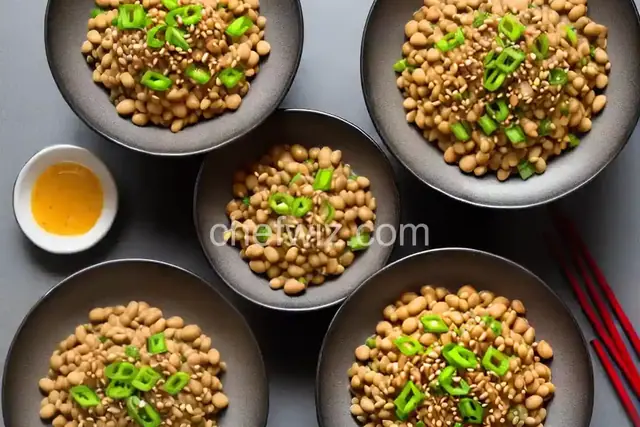 By AprilPublished
 Have you ever tried natto? If you haven't, you're missing out on a unique and delicious Japanese delicacy.
Place dry beans in a large pot and cover with water. Soak for 8-12 hours.
Rinse the soaked beans thoroughly and return them to the pot.
Add enough fresh water to cover the beans by at least 1 inch. Bring to a boil over high heat.
Reduce heat to a steady simmer and cook for about 4 hours, until beans are tender but still whole. Drain the beans.
Boil a teaspoon, a soup spoon, and a small metal bowl in water for 5 minutes to sterilize them. Transfer the utensils to a clean work surface.
Pour boiling water into the containers that will be used for fermenting the soybeans, then drain.
In the sterilized small bowl, mix the natto starter spores with 1 tablespoon of water. Add the mixture to the hot soybeans.
Mix the soybeans thoroughly with the sterilized soup spoon to evenly distribute the starter.
Divide the beans into sanitized wide airtight containers, making sure the layer of beans is no more than 2cm deep. Cover with cheesecloth and seal with the lid.
Place the containers in a warm environment, such as a yogurt maker or a turned-off oven with the oven light on, at around 100ºF (38ºC).
Let the beans ferment for 20-24 hours, rotating the container positions after 12 hours and checking
Have you ever tried natto? If you haven't, you're missing out on a unique and delicious Japanese delicacy. Natto is made from fermented soybeans and is a staple in Japanese cuisine. In this article, we'll explore the world of natto, its health benefits, and how to incorporate it into your diet.
Natto is a traditional Japanese food made by fermenting soybeans with the help of a bacteria called Bacillus subtilis. The fermentation process gives natto a distinct flavor, aroma, and sticky texture. It has been consumed in Japan for centuries and is often eaten for breakfast or as a topping for rice.
Not only is natto delicious, but it also offers several health benefits. One of the key benefits of natto is its high protein content. It is a complete protein, meaning it provides all the essential amino acids our bodies need. This makes it a great option for vegetarians and vegans.
Natto is also rich in vitamin K2, which plays a crucial role in bone health and heart health. Vitamin K2 helps in the activation of proteins that assist in calcium metabolism, ensuring calcium is deposited in our bones and teeth rather than in our arteries.
Furthermore, natto contains a compound called nattokinase, which has been shown to have blood-thinning properties. This can help improve blood circulation and reduce the risk of blood clots.
Natto can be enjoyed in various ways. The most common way is to eat it with white rice and a drizzle of soy sauce. The combination of flavors and textures is simply irresistible. You can also add natto to your miso soup or use it as a topping for sushi rolls. For the adventurous foodies out there, try adding natto to your omelets or stir-fries for an extra punch of flavor.
When it comes to buying natto, you can find it in most Asian grocery stores or online. It usually comes in small, single-serve packages and is ready to eat straight out of the package. Just give it a good stir to mix the sticky strands and enjoy!
Yes, natto is a vegan-friendly food as it is made from fermented soybeans.
Yes, natto is gluten-free, making it suitable for individuals with gluten intolerance or celiac disease.
Yes, it is possible to make natto at home. However, the fermentation process can be quite delicate, so it requires precise temperature control and the right bacteria strain.
Natto has a unique flavor that can be described as nutty, savory, and slightly cheesy. The texture is sticky and slimy, which some people find off-putting at first.
While natto is generally safe to consume, some people may experience an allergic reaction to soybeans. If you have a soy allergy, it's best to avoid natto.
Yes, natto contains enzymes that can aid in digestion and promote a healthy gut.
Natto is relatively low in calories. A typical serving contains around 100 calories.
Yes, you can freeze natto to prolong its shelf life. Just make sure to thaw it properly before consuming.
In conclusion, natto is a unique and nutritious food that offers a range of health benefits. Its distinct flavor and texture make it a favorite among Japanese cuisine enthusiasts. Whether you enjoy it on its own or incorporate it into your favorite dishes, natto is a delicious addition to any diet. Give it a try and experience the wonders of this traditional Japanese fermented soybean dish!
AprilCook, recipe developer and the heart of Chefwiz. More about April