Mustard Caviar
Rate this recipeBe the first to rate
 By AprilPublished
 Have you ever tried mustard caviar? It's a unique and flavorful condiment that can add a burst of tanginess to your favorite dishes.
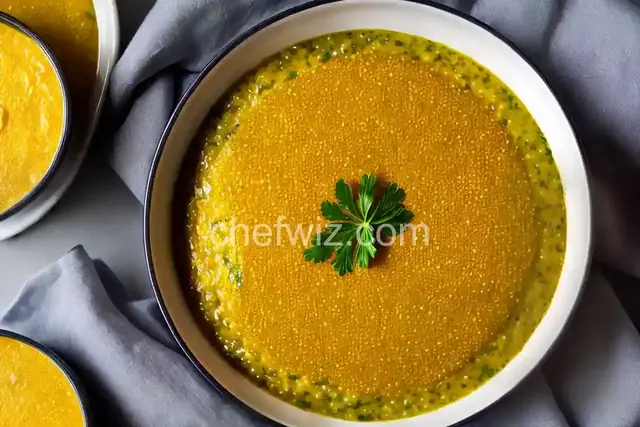 By AprilPublished
 Have you ever tried mustard caviar? It's a unique and flavorful condiment that can add a burst of tanginess to your favorite dishes.
In a small saucepan, combine all ingredients with 3/4 cup of water.
Place the saucepan on the stove over medium-high heat and bring the mixture to a boil.
Once boiling, reduce the heat to low and simmer the mixture, stirring frequently.
If the mixture becomes too dry, add water by tablespoonfuls.
Continue simmering until the mustard seeds are firm and intact, but pop like caviar when bitten into. This should take approximately 45-50 minutes.
Remove the saucepan from heat and allow the mustard mixture to cool completely.
Transfer the cooled mixture into an airtight container.
Refrigerate the container to keep the mustard chilled for up to 2 weeks.
Have you ever tried mustard caviar? It's a unique and flavorful condiment that can add a burst of tanginess to your favorite dishes. In this article, we will explore what mustard caviar is, how it is made, and some creative ways to use it in your cooking.
Mustard caviar, also known as mustard seeds pearls, is a condiment made from mustard seeds that have been soaked in vinegar or a combination of vinegar and other flavorful liquids. The soaking process causes the seeds to swell and develop a texture similar to caviar, hence the name.
The process of making mustard caviar is quite simple. Mustard seeds are soaked in a mixture of vinegar, water, and other desired flavors such as honey or herbs. The seeds absorb the liquid and gradually swell, creating small, flavorful pearls. The soaking time can vary depending on the desired consistency, but it usually takes around 24 to 48 hours.
Mustard caviar can be used in a variety of ways to enhance the flavor of your dishes. Here are a few creative ideas:
Sprinkle mustard caviar over your favorite salads for an added burst of tanginess and texture. It pairs well with leafy greens, roasted vegetables, and grilled meats.
Spread mustard caviar on your sandwiches instead of regular mustard for a unique twist. It adds a pop of flavor and elevates the overall taste of your sandwich.
Add a spoonful of mustard caviar to your deviled eggs filling for a delightful burst of tanginess. It adds an extra layer of flavor and visual appeal to this classic appetizer.
Mix mustard caviar into your favorite sauces and dressings to give them a tangy kick. It works well in creamy dressings, marinades, and dipping sauces.
Mustard caviar can be found in specialty food stores or gourmet markets. You can also purchase it online from various retailers. If you enjoy experimenting in the kitchen, you can even try making your own mustard caviar at home.
Mustard caviar is a unique and flavorful condiment that can elevate the taste of your dishes. Its tangy and textured pearls add a burst of flavor that complements a variety of culinary creations. Whether you use it as a salad topping, sandwich spread, or sauce enhancer, mustard caviar is sure to impress your taste buds. So go ahead, give it a try and let your culinary creativity shine!
Mustard caviar comes in a variety of flavors, including traditional yellow mustard, Dijon mustard, honey mustard, and spicy mustard.
Mustard caviar can be stored in a sealed container in the refrigerator for up to two weeks.
Yes, you can use mustard caviar as a substitute for regular mustard in most recipes. However, keep in mind that it has a slightly different texture and flavor profile.
Mustard caviar is typically gluten-free, but it's always important to check the label or consult the manufacturer if you have any dietary restrictions.
Yes, you can make your own mustard caviar at home by soaking mustard seeds in a mixture of vinegar and other desired flavors. There are many recipes available online to guide you through the process.
Besides the suggested uses in this article, you can also experiment with adding mustard caviar to soups, stews, and roasted vegetables for an extra burst of flavor.
The presence of preservatives in mustard caviar can vary depending on the brand. It's always a good idea to check the ingredients list if you have any specific dietary concerns.
It's not recommended to freeze mustard caviar as it may alter the texture and flavor. It's best to consume it within the recommended storage period.
AprilCook, recipe developer and the heart of Chefwiz. More about April