Masa is a traditional food of Hausa people is so delicious
Rate this recipeBe the first to rate
 By AprilPublished
Have you ever tried Masa? If not, you're missing out on a delicious treat that is a staple in the diet of the Hausa people.
 By AprilPublished
Have you ever tried Masa? If not, you're missing out on a delicious treat that is a staple in the diet of the Hausa people.
Soak the raw rice for approximately 5 hours, then wash and grind it together with the cooked rice.
Mix the ground rice with yeast, cover it, and let it rise for around 5-6 hours or overnight.
Once the mixture has risen, add baking powder, sugar, and chopped onions. Mix everything well.
Start frying the mixture on both sides until golden brown.
Pound the quliquli (a type of spice) together with the onions and let it dry.
Once it is dry, blend everything together with seasoning pepper and salt.
Your finger-licking yaji (spice mix) is ready to serve with masa (a type of Nigerian rice cake).
Have you ever tried Masa? If not, you're missing out on a delicious treat that is a staple in the diet of the Hausa people. Masa, also known as Waina, is a traditional Nigerian food made from fermented rice and enjoyed by many across the country. In this article, we'll explore the rich history and mouthwatering taste of Masa, and why you should give it a try.
Just like any other traditional dish, Masa has a story to tell. It originated from the Hausa people of Nigeria, who have been preparing and enjoying this delicacy for generations. Masa is often served during special occasions and festivals, making it a symbol of celebration and togetherness.
Creating Masa is an art form in itself. The main ingredient, rice, is soaked and fermented overnight, giving it a unique taste and texture. The fermented rice is then ground into a smooth batter and mixed with other ingredients like yeast, sugar, and salt. The batter is left to rise for a few hours before it is ready to be cooked.
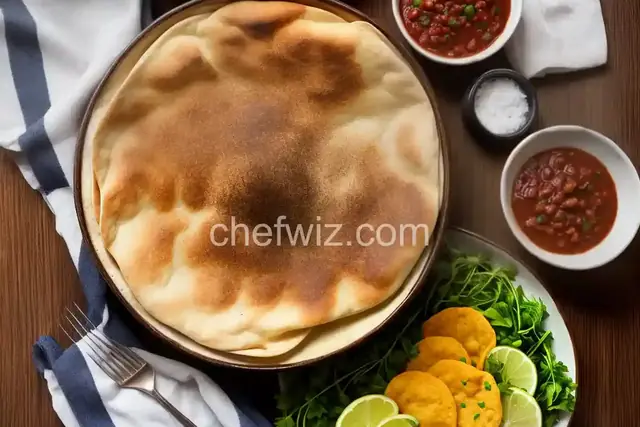
Traditionally, Masa is cooked in a special pan called a "tawa." The pan is greased with oil or butter, and a ladleful of the batter is poured into the pan, resembling a small pancake. The Masa is then cooked on both sides until it turns golden brown and develops a crispy outer layer, while the inside remains soft and spongy.
One bite of Masa, and you'll be hooked. The fermented rice gives it a tangy flavor that is both unique and delightful. The crispy outer layer provides a satisfying crunch, while the soft and fluffy interior melts in your mouth. Masa is often served with a variety of accompaniments, such as spicy tomato sauce, groundnut soup, or even honey for those with a sweet tooth.
Masa is not just a food; it is a representation of the rich culture and traditions of the Hausa people. It brings families and friends together, creating moments of joy and celebration. Whether it's a wedding, a birthday, or a religious festival, Masa is always present, adding flavor and excitement to the occasion.
If you're intrigued and want to try Masa for yourself, you're in luck. Many Nigerian restaurants and street vendors serve this delicious delicacy. You can also find Masa at local markets or even try making it at home using traditional recipes passed down through generations. So, why not embark on a culinary adventure and explore the wonderful world of Masa?
Masa is more than just a traditional food; it is a symbol of celebration and togetherness. The tangy flavor, crispy yet soft texture, and rich cultural significance make Masa a must-try dish for anyone looking to explore the diverse culinary landscape of Nigeria. So, why not indulge in this delicious treat and experience the joy it brings?
A1: Yes, Masa is gluten-free as it is made from fermented rice and does not contain any wheat or gluten-based ingredients.
A2: Yes, you can freeze Masa for later consumption. Make sure to store it in an airtight container to maintain its freshness.
A3: Masa batter typically needs to ferment for at least 8-12 hours to achieve the desired tangy flavor.
A4: While a tawa is traditionally used to cook Masa, you can use a regular frying pan if you don't have one. Just make sure to grease it well to prevent sticking.
A5: Masa pairs well with a variety of accompaniments such as spicy tomato sauce, groundnut soup, or even honey for a sweet twist.
A6: Masa is best consumed fresh. However, if stored properly in an airtight container, it can stay fresh for up to 2-3 days.
A7: Yes, you can make yeast-free Masa by using baking powder instead. However, the taste and texture may differ slightly.
A8: Making Masa requires some time and patience, but it is not overly difficult. With the right ingredients and instructions, you can create this delicious dish in your own kitchen.
AprilCook, recipe developer and the heart of Chefwiz. More about April