Masa for� Tamales
Rate this recipeBe the first to rate
 By AprilPublished
Have you ever tasted the warm, fluffy goodness of a perfectly cooked tamale?
 By AprilPublished
Have you ever tasted the warm, fluffy goodness of a perfectly cooked tamale?
In a large bowl, combine the maseca, salt, and baking powder.
Incorporate the lard into the dry ingredients by massaging it until the mixture becomes crumbly.
Create a well in the center of the dough and gradually add in the warmed stock from your prepared protein and the chile sauce. Wear gloves and continue to massage the ingredients together. Alternatively, you can use a KitchenAid mixer in batches.
Keep adding the liquid to the dough until it no longer sticks to your fingers.
Take a small ball of dough and place it in a glass of water. Check if it floats. If it does, then the dough is ready.
For a vegetarian option, substitute the lard with 2 lbs of Cristco. Replace the protein broth with warmed vegetable broth and your preferred vegetarian chile sauce.
Have you ever tasted the warm, fluffy goodness of a perfectly cooked tamale? If not, you're missing out on a delightful treat that has been enjoyed for centuries. Whether you're celebrating a special occasion or simply craving something delicious, tamales are the perfect choice. But what makes tamales truly extraordinary is the masa, the dough that holds all the flavorful fillings together. In this article, we'll delve into the art of making masa for tamales and discover how this simple yet versatile ingredient can elevate your culinary experience.
Imagine biting into a tamale and being greeted with a burst of flavors that dance on your taste buds. The secret behind this mouthwatering experience lies in the masa, a dough made from corn that is the foundation of every tamale. Masa serves as both a canvas and a glue, holding together the savory or sweet fillings that make each tamale unique.
But what sets masa apart from any other dough? The answer lies in its texture and taste. Masa has a soft and slightly grainy texture that melts in your mouth, creating a perfect contrast to the filling inside. Its subtle corn flavor adds an earthy sweetness that complements both savory and sweet fillings. With masa, every bite becomes a harmonious blend of flavors and textures that will leave you craving more.
Creating the perfect masa requires a delicate balance of ingredients and technique. The key component of masa is masa harina, a flour made from dried corn that has been treated with an alkaline solution. This process, known as nixtamalization, enhances the flavor and nutritional value of the corn.
When making masa, it's important to mix the masa harina with liquid to create a smooth and pliable dough. This liquid can be water, broth, or even milk, depending on the desired flavor profile. The ratio of masa harina to liquid is crucial, as it determines the texture and consistency of the dough. Too much liquid will result in a runny masa, while too little liquid will yield a dry and crumbly dough.
Preparing masa requires time and patience, but the end result is well worth the effort. The process begins by combining the masa harina and liquid in a large bowl. Slowly mix the ingredients until a cohesive dough forms. Knead the dough gently, allowing the masa to absorb the liquid and become smooth and elastic.
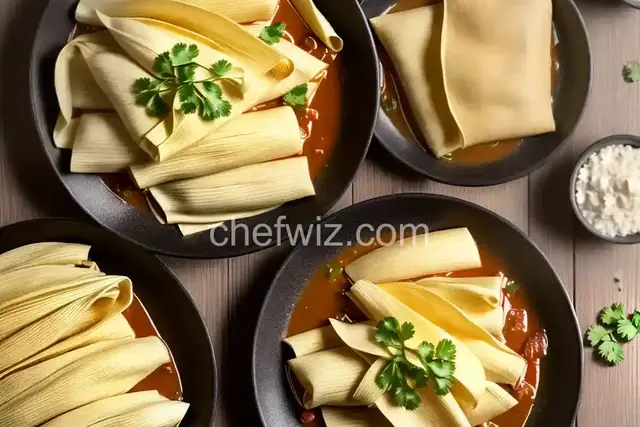
Once the masa is ready, it's time to spread it onto corn husks and fill them with your favorite ingredients. The filled husks are then steamed until the masa cooks and the flavors meld together, creating a harmonious symphony of taste. The end result is a tamale that is both visually appealing and incredibly delicious.
When it comes to tamales, the masa is the heart and soul of the dish. Its unique texture and flavor elevate the overall taste, making every bite a moment to savor. So why not embark on a culinary adventure and try your hand at making masa for tamales? With a little practice and a lot of love, you'll be able to create tamales that will impress and delight your taste buds.
No, masa harina is specifically treated to create the unique texture and flavor of masa. Regular cornmeal will not yield the same results.
Absolutely! You can prepare the masa ahead of time and store it in the refrigerator for up to two days. Just make sure to cover it tightly to prevent it from drying out.
Yes, you can freeze leftover masa for future use. Simply wrap it tightly in plastic wrap or place it in an airtight container before freezing. Thaw it in the refrigerator overnight before using.
Definitely! Vegetable broth adds a depth of flavor to the masa that enhances the overall taste of the tamale.
Yes, you can use gluten-free flour to make masa for those with gluten sensitivities. Just make sure to choose a gluten-free masa harina.
Yes, substituting water with milk will add a subtle sweetness to the masa, making it perfect for sweet tamale fillings.
Absolutely! While a stand mixer makes the process easier, you can still make masa by kneading the dough by hand. It may require a bit more effort, but the end result will be equally delicious.
Definitely! Masa is a versatile ingredient that can be used in various dishes, such as tamales, tortillas, and even empanadas. Let your culinary creativity soar!
AprilCook, recipe developer and the heart of Chefwiz. More about April