Maryland Crab Feast Recipe
Rate this recipeBe the first to rate
 By AprilPublished
 When it comes to seafood, few things can compare to the joy of indulging in a Maryland crab feast.
 By AprilPublished
 When it comes to seafood, few things can compare to the joy of indulging in a Maryland crab feast.
In the largest pot you have, pour enough beer to reach a depth of about 1 inch.
Add a generous splash of vinegar to the pot. The exact amount is not crucial, just pour a good amount.
If you don't have a steaming rack, create a makeshift one by shaping aluminum foil into ropes to hold the crabs above the liquid level in the pot.
Add the crabs to the pot, a few at a time, and sprinkle Old Bay seasoning generously over each crab. Adjust the amount of Old Bay to your preferred level of spiciness.
If all the crabs cannot fit in the pot or if the pot cannot be covered, steam them in batches.
Place the pot over high heat and bring it to a boil. Once boiling, cover the pot and let the crabs cook for 15 minutes.
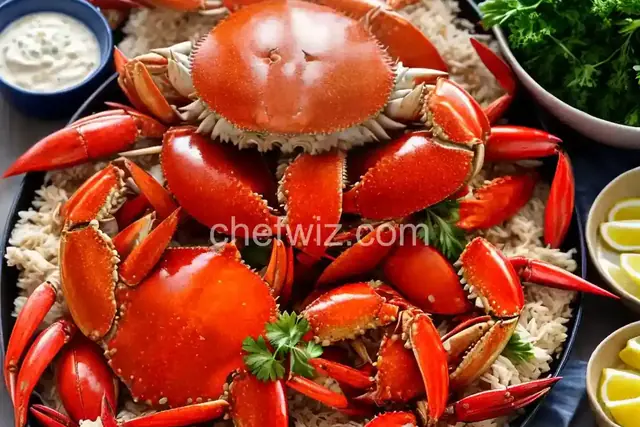
Check the crabs to ensure they are bright red and hot throughout. If they are not ready, cook for an additional 5 to 15 minutes until they turn bright red and no traces of blue remain.
Remove the cooked crabs from the pot and repeat the steaming process with any remaining crabs.
Serve the crabs on tables covered with newspaper, and provide distilled vinegar and drawn butter as condiments. Common side dishes include [insert specific side dishes commonly served].
When it comes to seafood, few things can compare to the joy of indulging in a Maryland crab feast. Picture yourself sitting at a picnic table on a warm summer day, surrounded by friends and family, with a pile of freshly steamed crabs in front of you. The sound of cracking shells and the sweet scent of Old Bay seasoning fills the air. It's a true feast for the senses.
A Maryland crab feast is more than just a meal; it's a cultural experience. It's a celebration of the Chesapeake Bay's rich seafood heritage and a tradition that has been passed down for generations. The centerpiece of the feast is the blue crab, a beloved local delicacy known for its sweet and succulent meat.
For the uninitiated, eating a Maryland blue crab can be a bit intimidating. But fear not! Once you learn the art of cracking the shell, you'll be rewarded with tender, flavorful meat that is worth the effort.
Before you dive into your crab feast, make sure you have the necessary tools on hand. A crab mallet or wooden hammer will come in handy for cracking the shells. A small knife or seafood pick can be used to extract the meat from hard-to-reach places.
Begin by pulling off the crab's legs and breaking them at the joints. Use your crab mallet or hammer to gently crack the shell and extract the meat inside. Don't forget to savor the meat from the small, delicate legs - it's often the sweetest part!
Next, flip the crab over and remove the top shell, also known as the carapace. You'll reveal a treasure trove of meat nestled inside. Use your knife or pick to carefully extract the meat, being mindful of any sharp edges.
The claws of a Maryland blue crab are where you'll find the largest and most substantial chunks of meat. Use your mallet or hammer to crack the shell and access the sweet, white meat within. And don't be afraid to get a little messy - it's all part of the experience!
A Maryland crab feast is a celebration of good food, good company, and the unique flavors of the Chesapeake Bay. Whether you're a seasoned pro or a first-time crab cracker, the experience is sure to leave a lasting impression. So gather your loved ones, roll up your sleeves, and get ready to savor the taste of Maryland's most iconic seafood.
The summer months, particularly June through August, are the prime time for Maryland crab feasts. This is when blue crabs are at their peak and most abundant in the Chesapeake Bay.
Yes, you can find Maryland blue crabs in seafood markets and online retailers throughout the country. However, for the most authentic experience, it's hard to beat enjoying them fresh from the Chesapeake Bay.
Old Bay seasoning is a blend of herbs and spices that is synonymous with Maryland cuisine. It adds a unique and flavorful kick to crab feasts, as well as other seafood dishes.
Look for crabs that are lively and active, with a bright, shiny shell. Avoid crabs that are sluggish or have a foul odor, as these are signs of spoilage.
Absolutely! Steaming crabs at home is a popular method of preparation. All you need is a large pot with a steaming rack, water, and your choice of seasonings.
While steaming is the most traditional method, you can also grill, bake, or even fry blue crabs for a different twist on the classic feast.
Alongside the crabs, popular accompaniments include corn on the cob, coleslaw, hush puppies, and cold beverages like beer or lemonade.
One way to ensure fairness is to establish a "crab picking" order, where each person takes turns selecting a crab. This keeps the feast organized and ensures everyone gets a chance to enjoy the delicious bounty.
Cleaning up after a crab feast can be a messy task. It's best to have plenty of paper towels or napkins on hand, as well as a garbage bag for disposing of shells and other waste.
AprilCook, recipe developer and the heart of Chefwiz. More about April