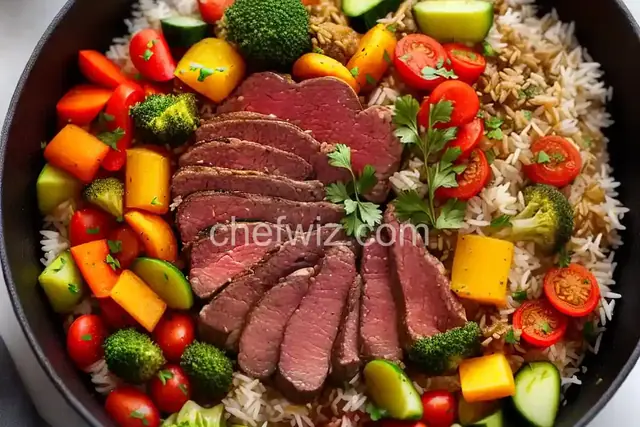
Maqlubeh (Palestinian Upside Down Meat Vegetables and Rice)
Are you looking for a delicious and unique dish to try? Look no further than Maqlubeh, a traditional Palestinian dish that combines meat, vegetables, and rice. This flavorful dish is sure to impress your friends and family with its colorful presentation and mouthwatering taste. But what exactly is Maqlubeh and how is it prepared? Let's dive in and explore the wonders of this upside-down masterpiece.
What is Maqlubeh?
Maqlubeh, which translates to "upside down" in Arabic, is a dish that is as visually stunning as it is delicious. It is made by layering cooked meat, such as chicken, lamb, or beef, with a variety of vegetables and aromatic spices. The layers are then topped with rice and cooked together until everything is tender and flavors meld together. The true magic happens when the dish is flipped upside down onto a serving platter, revealing a beautiful tower of perfectly cooked ingredients.
How is Maqlubeh prepared?
Preparing Maqlubeh may seem like a daunting task, but with a little patience and practice, you can master this traditional dish. First, the meat is cooked in a large pot until tender and flavorful. Then, a layer of vegetables, such as eggplant, cauliflower, and carrots, are added on top of the meat. Fragrant spices like cumin, turmeric, and cinnamon are sprinkled over the vegetables to infuse them with aromatic flavors.
Next comes the rice, which is carefully layered on top of the vegetables. The rice is usually parboiled to ensure it cooks evenly and doesn't become mushy. Once all the layers are in place, the pot is covered and simmered over low heat until the rice is fully cooked. Finally, the moment of truth arrives. With a steady hand and a leap of faith, the pot is flipped upside down onto a serving platter, revealing a magnificent tower of Maqlubeh.
Why is Maqlubeh so special?
Maqlubeh is not just a dish; it is a symbol of unity, family, and celebration in Palestinian culture. It is often served on special occasions and gatherings, bringing people together around a shared love for good food. The layers of flavors and textures in Maqlubeh represent the diverse and rich heritage of Palestinian cuisine. Each bite is a journey through the vibrant colors and aromatic spices of the Middle East.
Moreover, Maqlubeh is a versatile dish that can be customized to suit different dietary preferences. Vegetarians can skip the meat and add extra vegetables or even tofu for a delicious plant-based version. The possibilities are endless, allowing everyone to enjoy this culinary masterpiece.
In Conclusion
Maqlubeh is more than just a dish; it is a journey of flavors and a celebration of culture. Its visually striking presentation and mouthwatering taste make it a showstopper at any gathering. Whether you're a seasoned cook or a culinary adventurer, Maqlubeh is a must-try dish that will transport you to the vibrant streets of Palestine. So gather your ingredients, don your apron, and let Maqlubeh take you on a culinary adventure like no other.
Frequently asked questions
- . Can I use different types of meat in Maqlubeh?
Yes, you can use chicken, lamb, beef, or even fish to make Maqlubeh. Each type of meat adds its own unique flavor to the dish.
- . Can I use different vegetables in Maqlubeh?
Absolutely! Feel free to experiment with different vegetables like zucchini, bell peppers, or even potatoes to create your own twist on Maqlubeh.
- . Is Maqlubeh difficult to make?
While Maqlubeh requires some time and effort, it is not overly complicated. With practice, you'll become a Maqlubeh master in no time.
- . Can I make Maqlubeh in advance?
Yes, Maqlubeh can be made in advance and reheated before serving. Just make sure to keep it covered in the refrigerator until ready to serve.
- . What can I serve with Maqlubeh?
Maqlubeh is a complete meal on its own, but you can serve it with a side of yogurt or a fresh salad for a well-rounded dining experience.
- . Can I freeze leftover Maqlubeh?
Yes, you can freeze leftover Maqlubeh in an airtight container for up to three months. Just thaw it in the refrigerator before reheating.
- . Is Maqlubeh spicy?
The level of spiciness in Maqlubeh can be adjusted according to your taste. You can add more or less chili flakes or omit them altogether.
- . Can I make Maqlubeh without rice?
While rice is a traditional component of Maqlubeh, you can experiment with other grains like quinoa or couscous for a unique twist.
 By AprilPublished