Mango Jam
Rate this recipeBe the first to rate
 By AprilPublished
 Who doesn't love the taste of fresh, juicy mangoes? Their vibrant color, tantalizing aroma, and tropical sweetness make them a favorite fruit for many.
 By AprilPublished
 Who doesn't love the taste of fresh, juicy mangoes? Their vibrant color, tantalizing aroma, and tropical sweetness make them a favorite fruit for many.
Collect all the necessary ingredients.
Create 4 to 5 cuts in the mangoes and heat them in the microwave on High until they become soft, which usually takes about 1 to 2 minutes.
Allow the mangoes to cool down, then remove the peel and inner seed. Place the mango pulp in a large bowl. Use a fork or potato masher to thoroughly mash the pulp.
In a large saucepan over low heat, combine the sugar and water. Stir them together and bring the mixture to a boil. Once the mixture starts boiling, increase the heat to medium-high. Continue boiling until the mixture reaches a temperature of 270 degrees F (135 degrees C) and fine, soft threads form.
Stir in the mango pulp and add the saffron threads. Allow the mixture to boil until it thickens, which usually takes around 5 minutes.
Transfer the cooked jam into sterilized jars and seal them according to the canning directions.
Adjust the amount of sugar based on the ripeness of the mangoes. If the mangoes are ripe, reduce the sugar to 1 cup. If the mangoes are raw, increase the sugar to 2 1/2 cups.
Alternatively, you can soften the mangoes by boiling or steaming them.
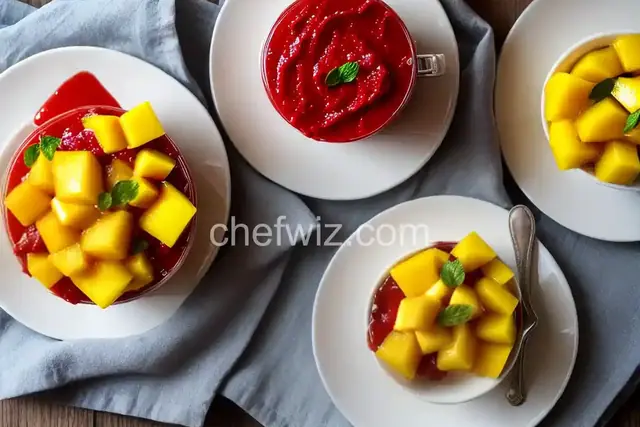
Who doesn't love the taste of fresh, juicy mangoes? Their vibrant color, tantalizing aroma, and tropical sweetness make them a favorite fruit for many. While mangoes are delicious on their own, they can also be transformed into a delightful spread known as mango jam. In this article, I will take you on a journey to discover the wonders of mango jam, from its rich flavor to its versatility in the kitchen.
Mango jam is a labor of love that involves the perfect balance of sweetness and acidity. It starts with selecting ripe mangoes that are bursting with flavor. The flesh of the mangoes is then peeled, pitted, and pureed to create a smooth base for the jam. The puree is then simmered with sugar, lemon juice, and a touch of pectin until it reaches the desired consistency.
Just like a painter who carefully selects their colors, a mango jam maker must choose their mango varieties wisely. Some mangoes, such as Alphonso or Ataulfo, are naturally sweeter and have a buttery texture, making them perfect for jam. Others, like Tommy Atkins or Kent, have a slightly tart flavor that adds a tangy twist to the jam.
Mango jam is not just a spread for your morning toast; it can be used in a variety of mouthwatering ways. Imagine a dollop of mango jam swirled into creamy yogurt, adding a burst of tropical flavor. Or picture a warm piece of freshly baked bread, slathered with mango jam and topped with a sprinkle of coconut flakes for an exotic twist.
For those with a sweet tooth, mango jam can be used as a filling for pastries, tarts, and cakes. Its vibrant color and tangy taste make it a perfect companion for rich desserts. You can even use it as a glaze for grilled meats or as a dipping sauce for spring rolls, adding a touch of sweetness to savory dishes.
Aside from its delectable taste, mango jam also offers a range of health benefits. Mangoes are packed with vitamins, minerals, and antioxidants, making them a nutritious choice. They are rich in vitamin C, which supports a healthy immune system, and vitamin A, which promotes good vision.
Mangoes are also a good source of dietary fiber, which aids digestion and helps maintain a healthy weight. Additionally, they contain compounds like beta-carotene and lycopene, which have been linked to a reduced risk of certain diseases.
Mango jam is a delightful treat that captures the essence of ripe, juicy mangoes. Its sweet and tangy flavor, versatility in the kitchen, and health benefits make it a must-have condiment. So the next time you bite into a succulent mango, why not turn it into a jar of delicious mango jam? Your taste buds will thank you!
No, unripe mangoes are not suitable for making mango jam as they lack the natural sweetness needed for a balanced flavor.
When properly stored in a sealed jar, mango jam can last for up to a year. However, it is best to consume it within 6-8 months for optimal flavor.
Yes, you can reduce the amount of sugar in mango jam by using a natural sweetener like honey or maple syrup. However, keep in mind that this may alter the texture and shelf life of the jam.
Yes, mango jam can be frozen for long-term storage. Divide it into small portions and store them in airtight containers or freezer bags. Thaw in the refrigerator before use.
Yes, you can experiment with combining mangoes with other fruits like strawberries or peaches to create unique flavors. Just adjust the sugar and acid levels accordingly.
Mango jam can be enjoyed by most people, but those with diabetes or specific dietary restrictions should consume it in moderation due to its sugar content.
Yes, frozen mangoes can be used to make mango jam. Just make sure to thaw them completely before pureeing.
Absolutely! Spices like cinnamon, ginger, or cardamom can be added to mango jam to enhance its flavor profile. Just remember to use them sparingly to avoid overpowering the natural sweetness of the mangoes.
AprilCook, recipe developer and the heart of Chefwiz. More about April