Blaukraut (German Red Cabbage)
Rate this recipeBe the first to rate
 By AprilPublished
 Have you ever wondered why German cuisine is so popular worldwide?
 By AprilPublished
 Have you ever wondered why German cuisine is so popular worldwide?
In a large pan, melt the butter.
Add the sugar to the melted butter and stir until it becomes a light caramel color, which should take about 5 minutes.
Next, add the onion and apples to the pan and cook and stir until the onions begin to soften. This should take about 5 minutes.
Now, add the cabbage to the pan and continue cooking until it is heated through, which should take about 5 minutes.
Stir in the broth, apple cider vinegar, and salt.
Cover the pan and let it simmer for about 30 minutes to allow the flavors to combine.
If desired, season with additional salt and pepper and stir in the lingonberry jam towards the end of the cooking time.
To enhance the flavor, you can sprinkle finely sliced red cabbage with salt, drizzle it with a dash of red wine vinegar, and let it marinate for 2 hours. After marinating, continue with the rest of the recipe.
Have you ever wondered why German cuisine is so popular worldwide? One of the reasons is the rich and flavorful dishes that showcase the country's culinary heritage. One such dish is Blaukraut, also known as German Red Cabbage. This vibrant and delicious side dish is a staple in German households and is often enjoyed with hearty meals. Let's dive into the world of Blaukraut and discover what makes it so special.
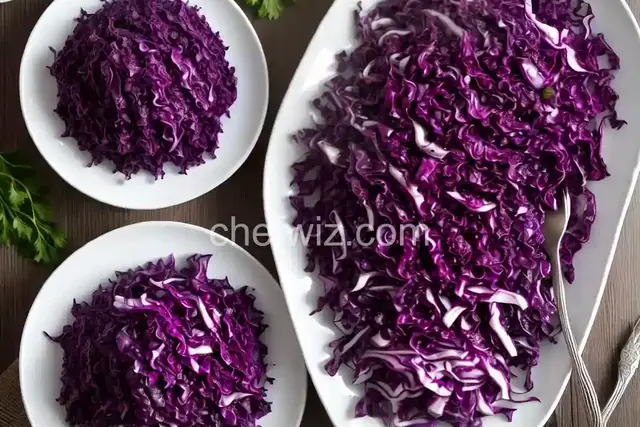
Blaukraut has a long history that dates back centuries. It was introduced to Germany by the Romans and has since become a beloved part of German cuisine. The name "Blaukraut" literally translates to "blue cabbage," but don't let that confuse you. The cabbage itself is not blue, but rather the final dish has a deep purple color. This stunning hue is achieved through a combination of the cabbage's natural pigments and the addition of vinegar or acid during cooking.
Blaukraut is a symphony of flavors. It is both tangy and sweet, with a hint of earthiness. The cabbage is slow-cooked with a variety of ingredients such as apples, onions, sugar, and spices like cloves and bay leaves. The result is a harmonious blend of flavors that complements a wide range of main dishes. The sweetness of the apples balances out the tanginess of the vinegar, creating a delightful contrast that keeps you coming back for more.
Blaukraut is a versatile side dish that can be paired with numerous main courses. It is a classic accompaniment to hearty German dishes like sausages, schnitzel, and roast pork. The vibrant colors of the Blaukraut add visual appeal to any plate, making it a delightful addition to festive meals. Its unique flavor profile also makes it a great complement to other cuisines. Imagine enjoying Blaukraut alongside a juicy steak or a spicy Mexican dish - the possibilities are endless!
Not only is Blaukraut delicious, but it also offers several health benefits. Red cabbage is a rich source of antioxidants and essential vitamins like vitamin C and vitamin K. These nutrients help boost the immune system, promote healthy digestion, and support overall well-being. The addition of apples adds more fiber and vitamins to the dish, making it a nutritious choice for those looking to add more vegetables to their diet.
Now that you're acquainted with the wonders of Blaukraut, why not try making it at home? The process is relatively simple and requires just a few key ingredients. Start by slicing the red cabbage thinly and sautéing it with apples, onions, sugar, vinegar, and spices. Then, let it simmer gently until the flavors meld together, and the cabbage turns tender. The end result is a mouthwatering dish that will impress your family and friends.
Blaukraut, or German Red Cabbage, is a culinary gem that adds color, flavor, and nutrition to any meal. Its vibrant purple hue, tangy-sweet taste, and rich history make it a must-try dish for anyone interested in German cuisine. Whether you enjoy it with traditional German fare or experiment with other culinary pairings, Blaukraut is sure to delight your taste buds and leave a lasting impression.
While white cabbage can be used as a substitute, it will not yield the same vibrant color as red cabbage. The flavor profile may also differ slightly.
Blaukraut typically takes around 1 to 1.5 hours to cook. This allows the flavors to develop and the cabbage to become tender.
Absolutely! Blaukraut can be made in advance and reheated when needed. In fact, some believe that the flavors intensify when the dish is allowed to sit overnight.
Yes, you can freeze leftover Blaukraut. Simply portion it into airtight containers or freezer bags and store for up to 3 months. Thaw and reheat when ready to enjoy.
Aside from cloves and bay leaves, you can experiment with adding spices like cinnamon, nutmeg, or allspice to enhance the flavor of your Blaukraut.
Yes, Blaukraut is typically vegan-friendly as it does not contain any animal products. However, it's always best to check the specific recipe or ask about any potential non-vegan ingredients.
Yes, you can use a slow cooker to make Blaukraut. Simply follow the recipe instructions, but adjust the cooking time accordingly. Slow cooking allows the flavors to develop even further.
Adding a splash of red wine to your Blaukraut can add depth and complexity to the flavors. However, it is not necessary and can be omitted if desired.
AprilCook, recipe developer and the heart of Chefwiz. More about April