Mahamri / Maandazi
Rate this recipeBe the first to rate
 By AprilPublished
 Have you ever experienced the joy of sinking your teeth into a warm, fluffy, and slightly sweet pastry that melts in your mouth?
 By AprilPublished
 Have you ever experienced the joy of sinking your teeth into a warm, fluffy, and slightly sweet pastry that melts in your mouth?
Combine all the dry ingredients in a bowl, then add the butter or margarine and mix thoroughly.
Incorporate the butter or margarine once again and mix until well combined.
Slowly pour in the milk and knead the mixture until a soft dough is formed.
Shape the dough into small balls and lightly coat each one with flour. Cover the dough balls and allow them to rise for 1 hour.
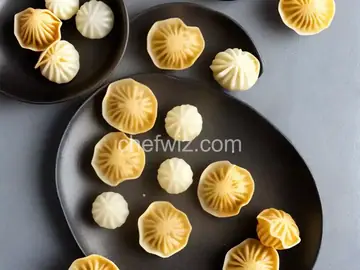
Roll out the dough and cut it into mahamri shapes.
Heat oil in a pan and fry the mahamri until golden brown.
Once cooked, serve the mahamri with tea and enjoy!
Have you ever experienced the joy of sinking your teeth into a warm, fluffy, and slightly sweet pastry that melts in your mouth? Look no further than Mahamri, also known as Maandazi! This delightful East African treat is a staple in many households and a favorite at breakfast or tea time.
Mahamri has its roots in the coastal regions of East Africa, particularly in countries like Kenya, Tanzania, and Somalia. It is believed to have been influenced by Arab and Indian cuisines, resulting in a unique fusion of flavors and textures.
What makes a perfect Mahamri? It all starts with the dough. The dough is typically made from a combination of flour, sugar, yeast, coconut milk, cardamom, and a pinch of salt. These ingredients work together to create a soft, pillowy texture that is simply irresistible.
Once the dough is prepared, it is then rolled out and cut into triangular or rectangular shapes. These shapes are then deep-fried until they turn golden brown and develop a slightly crispy exterior. The aroma that fills the kitchen while frying them is simply heavenly!
Mahamri is a versatile treat that can be enjoyed in various ways. It is commonly served with a cup of hot chai tea or coffee, allowing the flavors to complement each other perfectly. You can also enjoy it with a side of coconut chutney or even pair it with your favorite jam or honey for an extra touch of sweetness.
Whether it's a special festive occasion or a regular day, Mahamri always manages to spread joy. It is a popular choice during celebrations like weddings, birthdays, and religious holidays. The process of making Mahamri is often a communal affair, bringing families and friends together to share the love and warmth of this delectable treat.
Mahamri, with its soft, fluffy texture and delightful flavors, is a treat that brings joy to any occasion. Whether enjoyed with a cup of tea or coffee, or paired with your favorite condiments, this East African delicacy is sure to leave you wanting more. So why not give it a try and experience the magic of Mahamri for yourself?
Mahamri is best enjoyed fresh and warm, right after frying. The combination of its soft texture and warm temperature is simply divine.
Absolutely! While coconut milk adds a unique flavor to Mahamri, you can substitute it with regular milk if desired. The taste will differ slightly, but it will still be delicious.
Mahamri is best consumed within a day or two of being made. However, if stored in an airtight container, it can stay fresh for up to three days.
Yes, you can freeze Mahamri. Once cooled, place them in a freezer bag or airtight container and store them in the freezer. When ready to eat, simply thaw and reheat in the oven for a few minutes.
Yes, there are variations of Mahamri that incorporate different flavors and ingredients. Some popular variations include adding grated coconut, cardamom, or even cinnamon to the dough.
Yes, you can make Mahamri gluten-free by using a gluten-free flour blend instead of regular wheat flour. The texture and taste may differ slightly, but it will still be delightful.
While Mahamri is undeniably delicious, it is not considered a healthy treat due to its deep-fried nature and the use of sugar. Enjoy it in moderation as an occasional indulgence.
Yes, you can make Mahamri vegan by substituting regular milk with a plant-based milk alternative and using a vegan-friendly fat for frying, such as vegetable oil or coconut oil.
AprilCook, recipe developer and the heart of Chefwiz. More about April