Tukimi Dango (Moon Viewing Dumpling)
Rate this recipeBe the first to rate
 By AprilPublished
 Have you ever wondered how the Japanese celebrate the beauty of the moon?
 By AprilPublished
 Have you ever wondered how the Japanese celebrate the beauty of the moon?
In a bowl, combine the dry ingredients and gradually add water while stirring with chopsticks or a fork. Make sure to add the water slowly to achieve the desired consistency.
Once the water is incorporated, use your hands to knead the mixture until it reaches a soft and pliable texture, similar to the softness of an earlobe.
Shape the dough into a rope that is approximately one inch in width.
Divide the rope into 16 equal portions.
Take each portion and roll it into a ball shape.
Bring a pot of water to a boil and carefully drop the dough balls into the boiling water. Allow them to boil for 4 minutes.
Remove the boiled dough balls from the pot and transfer them to a bowl filled with ice water to cool down.
Once cooled, remove the dough balls from the ice water and let them dry.
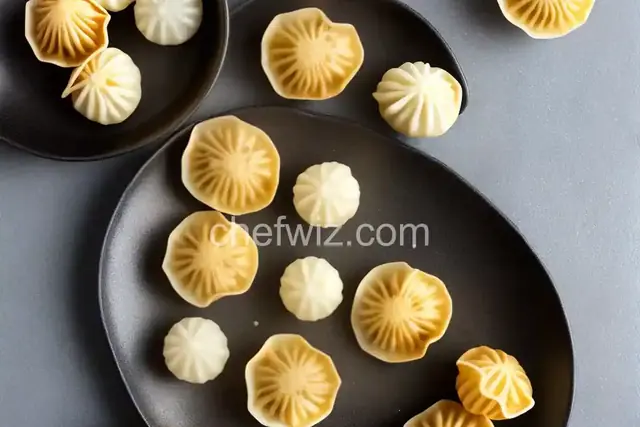
Arrange the dumplings in a pyramid shape for display. There are two theories regarding the number of dumplings to be displayed. Either 15, 13, or 12 (or 13 on a leap year) can be used. If you choose to display 15 dumplings, arrange them as follows: 9 balls for the first layer, 4 balls for the second layer, and 2 balls for the third layer.
Have you ever wondered how the Japanese celebrate the beauty of the moon? Well, one delicious way is by enjoying Tukimi Dango, also known as Moon Viewing Dumplings. These sweet and chewy treats are a popular delicacy during the autumnal harvest moon festival, known as Tsukimi. Let's dive into the world of Tukimi Dango and discover what makes them so special.
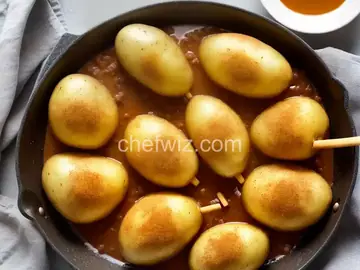
Tukimi Dango is more than just a tasty snack; it carries deep cultural symbolism. These dumplings are typically displayed on bamboo skewers, arranged in a pyramid shape. The three dumplings on each skewer represent the moon and are said to resemble the rabbit that is believed to reside on the moon in Japanese folklore.
During the Tsukimi festival, people gather outdoors to appreciate the beauty of the full moon. It is a time to reflect on nature's wonders and express gratitude for the harvest. Tukimi Dango serves as a delicious reminder of the moon's significance and the importance of unity with nature.
Making Tukimi Dango is a simple and enjoyable process. The dumplings are traditionally made with rice flour, creating a delightful chewy texture. They are then boiled and coated in a sweet soy sauce glaze, giving them a distinct flavor.
It's incredible how such basic ingredients can come together to create such a delightful treat. The process of making Tukimi Dango is like crafting a masterpiece. Each dumpling is carefully formed and cooked, resulting in a harmonious blend of taste and texture.
Tukimi Dango can be enjoyed in various ways. Some prefer to eat them as they are, savoring the simplicity and sweetness of the dumplings. Others like to dip them in the accompanying sweet soy sauce glaze, enhancing the flavors even further.
These dumplings are not just a feast for the taste buds; they are also a feast for the eyes. Their charming pyramid shape and the contrast of the golden glaze against the white dumplings make them visually appealing. It's almost as if they were designed to be admired before being devoured.
The Tsukimi festival is a traditional Japanese celebration held during the autumn full moon. It is a time to appreciate nature's beauty and give thanks for the harvest.
Rice flour is the recommended flour for making Tukimi Dango as it provides the desired chewy texture. Regular flour may not yield the same results.
Tukimi Dango are best enjoyed fresh, but they can be stored in an airtight container for up to 2-3 days. However, their texture may become less chewy over time.
Yes, you can freeze Tukimi Dango. Place them in a freezer-safe container or bag and store them for up to a month. Thaw them in the refrigerator before enjoying.
Yes, you can make gluten-free Tukimi Dango by using gluten-free rice flour instead of regular rice flour. Be sure to check the labels to ensure the flour is gluten-free.
Yes, there are variations of Tukimi Dango that incorporate different flavors or ingredients. Some recipes include matcha powder, black sesame, or even fruit fillings.
Yes, you can enjoy Tukimi Dango without the sweet soy sauce glaze. They still provide a delightful taste and texture even without the glaze.
Yes, you can make Tukimi Dango without bamboo skewers. Simply shape the dumplings and place them on a plate or serving dish.
In conclusion, Tukimi Dango is not just a treat for the taste buds, but also a symbol of Japanese culture and appreciation for nature. These moon viewing dumplings are a delightful combination of simplicity, flavor, and visual appeal. Whether you enjoy them as part of the Tsukimi festival or as a standalone treat, Tukimi Dango is sure to leave you craving for more.
AprilCook, recipe developer and the heart of Chefwiz. More about April