Low-Carb Cheesecake: A Guilt-Free Indulgence
Who doesn't love a creamy, decadent slice of cheesecake? Unfortunately, traditional cheesecake recipes are often loaded with sugar and carbs, making them a guilty pleasure that can wreak havoc on your health and waistline. But what if I told you that you could enjoy a delicious slice of cheesecake without the guilt? That's right, with a low-carb cheesecake, you can satisfy your sweet tooth and still stick to your healthy eating goals. Let's dive into the world of low-carb cheesecake and discover the secret to creating a guilt-free indulgence.
What Makes Low-Carb Cheesecake Different?
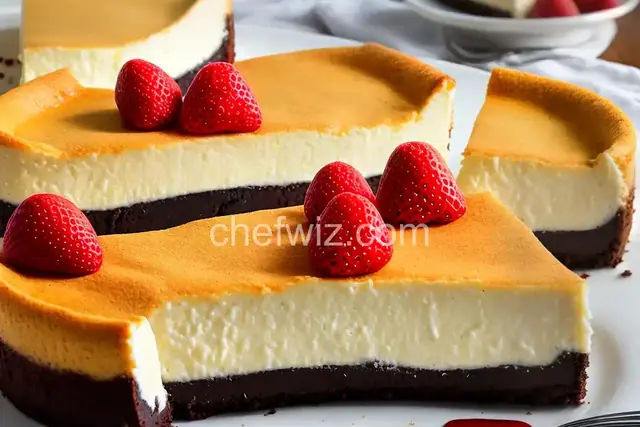
Unlike regular cheesecake, which is typically made with a graham cracker crust and a sugar-laden filling, low-carb cheesecake swaps out the high-carb ingredients for healthier alternatives. The crust can be made from crushed nuts or almond flour, providing a satisfying crunch without the excess carbs. As for the filling, instead of using sugar, low-carb sweeteners like stevia or erythritol are used to achieve the same level of sweetness without the blood sugar spikes.
The Perfect Balance of Creaminess and Flavor
One of the challenges of creating a low-carb cheesecake is finding the right balance between creaminess and flavor. After all, cheesecake should be smooth and rich, with a burst of deliciousness in every bite. Fortunately, low-carb cheesecake can still deliver on all these fronts. By using a combination of cream cheese, Greek yogurt, and eggs, you can achieve that velvety texture that melts in your mouth. And by adding flavorings like vanilla extract or lemon zest, you can customize your cheesecake to suit your taste preferences.
The Benefits of Going Low-Carb
Aside from being a guilt-free indulgence, low-carb cheesecake offers several other benefits. By reducing the amount of sugar and carbs in your dessert, you can avoid the energy crashes and cravings that often come with consuming high-sugar treats. Additionally, a low-carb lifestyle has been linked to weight loss, improved blood sugar control, and better overall health. So, not only can you enjoy a delicious slice of cheesecake, but you can also reap the rewards of a healthier eating plan.
-
Is low-carb cheesecake suitable for people with diabetes?
Yes, low-carb cheesecake can be a great option for people with diabetes. By using low-carb sweeteners and reducing the sugar content, you can enjoy a sweet treat without causing a spike in blood sugar levels.
-
Can I use any type of low-carb sweetener in my cheesecake?
While there are many low-carb sweeteners available, it's important to choose ones that are suitable for baking. Popular options include stevia, erythritol, and monk fruit sweetener.
-
How do I achieve a creamy texture in my low-carb cheesecake?
The key to achieving a creamy texture in your low-carb cheesecake is to make sure all the ingredients are at room temperature before mixing them together. This allows for better incorporation and a smoother consistency.
-
Can I still enjoy toppings on my low-carb cheesecake?
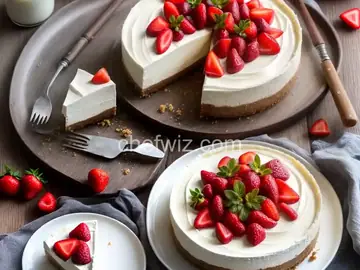
Absolutely! While traditional toppings like fruit compote or chocolate sauce may be high in sugar, there are plenty of low-carb options available. Consider topping your cheesecake with fresh berries, a dollop of whipped cream, or a sprinkle of dark chocolate shavings.
-
Is low-carb cheesecake suitable for a ketogenic diet?
Yes, low-carb cheesecake can be enjoyed as part of a ketogenic diet. It contains a low amount of net carbs, making it a suitable dessert option for those following a keto lifestyle.
-
Can I freeze low-carb cheesecake?
Yes, you can freeze low-carb cheesecake for later enjoyment. Simply wrap individual slices in plastic wrap or place the whole cheesecake in an airtight container before freezing. Thaw in the refrigerator before serving.
-
Are there any variations of low-carb cheesecake?
Absolutely! Low-carb cheesecake is incredibly versatile, and you can experiment with different flavors and add-ins. Try incorporating cocoa powder for a chocolatey twist or swirl in some sugar-free caramel for a decadent treat.
-
Can I use low-fat cream cheese in my low-carb cheesecake?
While you can use low-fat cream cheese in your low-carb cheesecake, keep in mind that it may affect the texture and creaminess. Full-fat cream cheese is recommended for the best results.
In conclusion, low-carb cheesecake is a guilt-free indulgence that allows you to satisfy your sweet tooth while sticking to your healthy eating goals. By swapping out high-carb ingredients for healthier alternatives and using low-carb sweeteners, you can create a creamy and flavorful dessert that won't derail your diet. So go ahead, treat yourself to a slice of low-carb cheesecake and enjoy every guilt-free bite!
 By AprilPublished