Almond Flour
Rate this recipeBe the first to rate
 By AprilPublished
Have you ever wondered how to make your baked goods healthier without compromising on taste and texture?
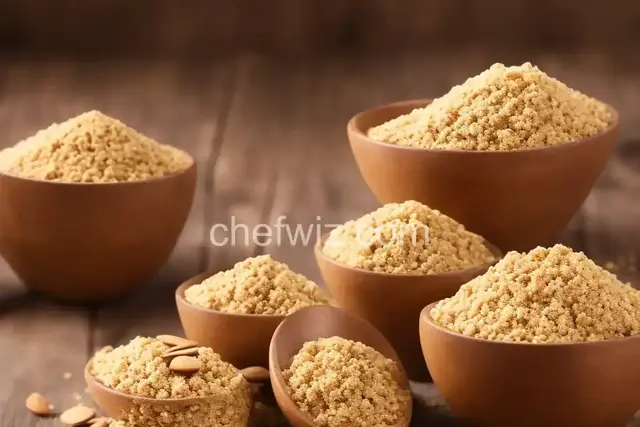 By AprilPublished
Have you ever wondered how to make your baked goods healthier without compromising on taste and texture?
Use a high-speed blender to blend the almonds until they reach a fine meal consistency, which typically takes around 10 seconds. The blending time may vary depending on the capabilities of your blender.
After blending, stir the mixture to ensure that any large clumps or pieces of almonds near the bottom of the blender are loosened.
It's important not to blend for too long, as continued blending can cause the almonds to transform into almond butter.
You can now incorporate the resulting almond meal into any recipe that requires almond flour or almond meal.
Have you ever wondered how to make your baked goods healthier without compromising on taste and texture? Look no further than almond flour! This nutritious and versatile ingredient has gained popularity in recent years as a gluten-free alternative to traditional flours. In this article, we will explore the benefits of almond flour, its uses in various recipes, and answer some frequently asked questions about this fantastic ingredient.
Almond flour is made by grinding blanched almonds into a fine powder. Unlike wheat flour, almond flour is gluten-free, making it a suitable option for individuals with gluten intolerance or those following a gluten-free diet. It has a slightly sweet and nutty flavor, which adds a delightful taste to baked goods.
Almond flour is not only a delicious ingredient but also a nutritional powerhouse. It is packed with protein, healthy fats, fiber, vitamins, and minerals. The high protein content in almond flour makes it a great option for those looking to boost their protein intake while keeping their carbohydrate consumption in check. Additionally, the healthy fats found in almond flour can contribute to heart health and provide a feeling of satiety, making it an excellent choice for those watching their weight.
Almond flour can be used as a substitute for regular flour in a wide range of recipes, including cakes, cookies, muffins, and bread. Its fine texture and natural moisture content help create moist and tender baked goods. However, due to its lack of gluten, almond flour cannot be used as a 1:1 replacement for regular flour in all recipes. It is often necessary to combine it with other gluten-free flours or ingredients such as xanthan gum to achieve the desired texture and structure.
Almond flour opens up a world of possibilities in the kitchen. From delectable almond flour pancakes to crispy almond-crusted chicken, there is a recipe for everyone to enjoy. The versatility of almond flour allows for both sweet and savory creations, making it a staple ingredient for those following special diets or simply looking to add a nutritious twist to their favorite dishes.
Almond flour is a nutritious and versatile ingredient that adds a delightful taste and texture to your favorite recipes. Whether you're looking for a gluten-free option or simply want to
No, almond flour and almond meal are not the same. While both are made from ground almonds, almond flour is made from blanched almonds with the skins removed, resulting in a finer texture. Almond meal, on the other hand, is made from almonds with the skins still intact and has a coarser texture.
No, almond flour cannot be used as a 1:1 replacement for wheat flour in all recipes. Due to its lack of gluten, it is necessary to combine almond flour with other gluten-free flours or ingredients like xanthan gum to achieve the desired texture and structure.
Yes, almond flour is considered keto-friendly as it is low in carbohydrates and high in healthy fats and protein. It can be a valuable ingredient in keto baking and cooking.
Almond flour should be stored in an airtight container in the refrigerator or freezer to maintain its freshness and prevent it from going rancid. This helps extend its shelf life and preserve its quality.
Yes, almond flour can be used in gluten-free bread recipes. However, it is often necessary to combine it with other gluten-free flours and ingredients to achieve the desired texture and rise.
Yes, almond flour has several health benefits. It is rich in protein, healthy fats, fiber, vitamins, and minerals, making it a nutritious choice for those looking to add more nutrients to their diet.
Absolutely! Almond flour can be used in a variety of savory dishes, including coating for chicken or fish, breading for vegetables, and as a thickening agent in sauces and soups.
Unfortunately, almond flour is not suitable for individuals with nut allergies. However, there are other gluten-free flours available that can be used as alternatives, such as coconut flour or rice flour.
AprilCook, recipe developer and the heart of Chefwiz. More about April