Low-and-Slow Rib Roast
Rate this recipeBe the first to rate
 By AprilPublished
 When it comes to cooking a rib roast, there are many methods to choose from.
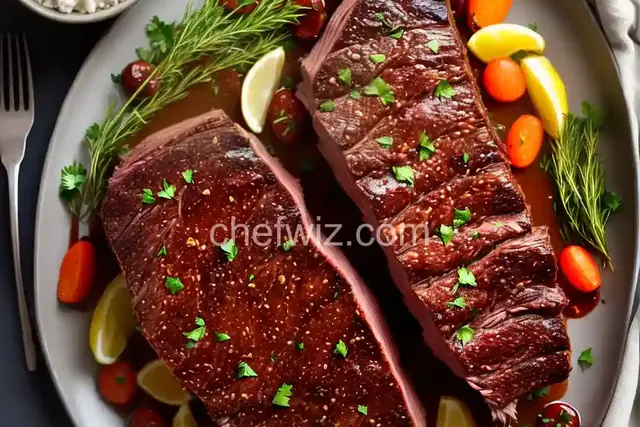 By AprilPublished
 When it comes to cooking a rib roast, there are many methods to choose from.
Season the roast with salt and pepper, using the recommended amount per pound of meat.
Place the roast on a wire rack set inside a large rimmed baking sheet to prevent it from sitting directly in the liquid.
Let the roast sit at room temperature for at least 2 hours, or cover and chill for up to 2 days. If chilled, bring the roast back to room temperature for the final 2 hours before cooking.
Finely chop the anchovies and rosemary, then transfer to a small bowl. Add garlic and olive oil, mix well, and season with salt and pepper.
Preheat the oven to 250°. Scatter rosemary sprigs on another rimmed baking sheet and place the roast on top. Smear the anchovy mixture all over the roast.
Roast the meat until an instant-read thermometer inserted into the thickest part registers 110° for medium-rare, which should take 2–2½ hours. Let the roast rest for at least 30 minutes.
About 20 minutes before serving, increase the oven temperature to 500°. Roast the meat on the same baking sheet until the fat is golden brown, which should take 10–15 minutes.
Transfer the roast to a cutting board, leaving any pan juices behind. Remove the rosemary sprigs from the baking sheet and discard them. Add parsley to the pan juices
When it comes to cooking a rib roast, there are many methods to choose from. One technique that stands out is the low-and-slow method. This method involves cooking the roast at a low temperature for an extended period, resulting in a tender, juicy, and flavorful masterpiece. Let's dive deeper into this method and discover why it's the preferred choice for many culinary enthusiasts.
Imagine a symphony being conducted at a slow and steady pace. Each note is carefully played, allowing the music to build and develop its complexity. Similarly, the low-and-slow method treats your rib roast as a culinary masterpiece, requiring time and patience to reach perfection.
Just like a fine wine that needs time to mature, a rib roast benefits from a slow and gentle cooking process. The low temperature allows the meat to cook evenly, ensuring the meat remains tender and succulent. As the meat slowly cooks, the fat within the roast melts, basting the meat from the inside out, infusing it with incredible flavor.
Preparing a low-and-slow rib roast requires a few essential steps. First, you need to choose a high-quality cut of meat. Look for well-marbled, prime-grade beef, as the fat content enhances the flavor and tenderness. Next, season the roast generously with your favorite herbs and spices. This will add depth and complexity to the final dish.
After seasoning, it's time to cook the rib roast. Preheat your oven to a low temperature, around 250°F (120°C). Place the roast on a roasting rack in a shallow pan, ensuring the fat side is facing up. This allows the fat to render and baste the meat during cooking.
Insert a meat thermometer into the thickest part of the roast, making sure it doesn't touch the bone. Slowly roast the meat until the internal temperature reaches your desired level of doneness. This can take several hours, so be patient. Remember, good things come to those who wait.
The low-and-slow method offers a multitude of benefits. Firstly, it ensures that the meat remains tender and juicy, as the slow cooking process breaks down the connective tissues. This results in a melt-in-your-mouth experience that will leave your taste buds dancing with delight.
Additionally, cooking the rib roast at a low temperature allows you to have more control over the final result. You can easily achieve your preferred level of doneness, whether it's rare, medium-rare, or well-done. The slow cooking process also intensifies the flavors, creating a depth that is unparalleled.
Absolutely! While the low-and-slow method is commonly associated with rib roasts, you can apply this technique to other cuts of meat as well. Whether it's a beef brisket, pork shoulder, or even a whole chicken, the low-and-slow method will transform these cuts into tender and delectable creations.
The low-and-slow method primarily focuses on achieving a tender and juicy interior. However, if you desire a flavorful crust on your rib roast, there are a couple of tricks you can try. One option is to sear the roast in a hot skillet before placing it in the oven. This will create a delicious crust while still benefiting from the slow cooking process.
Another method is to increase the oven temperature to a high heat for the last 15-20 minutes of cooking. This will help to brown and crisp up the exterior, adding a delightful texture and enhancing the overall presentation of the dish.
Carving a rib roast is an art in itself. To achieve perfect slices, allow the roast to rest for at least 15 minutes after removing it from the oven. This allows the juices to redistribute, resulting in a moister and more flavorful final product.
Start by locating the bones and using a sharp knife, carefully cut along the bone to separate the meat. Once the bones are removed, slice the roast against the grain into your desired thickness. Each slice will be a succulent delight, showcasing the tenderness and flavors developed through the low-and-slow cooking process.
The low-and-slow method is a culinary masterpiece that takes your rib roast to new heights. By cooking the meat at a low temperature for an extended period, you unlock a world of tenderness, juiciness, and flavor. It's a method that rewards patience and leaves you with a mouthwatering delight that will impress your family and friends.
Absolutely! While the low-and-slow method is commonly associated with rib roasts, you can apply this technique to other cuts of meat as well.
There are a couple of tricks you can try. One option is to sear the roast in a hot skillet before placing it in the oven. Another method is to increase the oven temperature to a high heat for the last 15-20 minutes of cooking.
To achieve perfect slices, allow the roast to rest for at least 15 minutes after removing it from the oven. Start by locating the bones and using a sharp knife, carefully cut along the bone to separate the meat. Once the bones are removed, slice the roast against the grain into your desired thickness.
The low-and-slow method ensures that the meat remains tender and juicy. It also allows you to have more control over the final result and intensifies the flavors, creating a depth that is unparalleled.
Choose a high-quality cut of meat, season it
AprilCook, recipe developer and the heart of Chefwiz. More about April