Lemon Sole
Rate this recipeBe the first to rate
 By AprilPublished
 When it comes to seafood, there's a wide array of options to choose from.
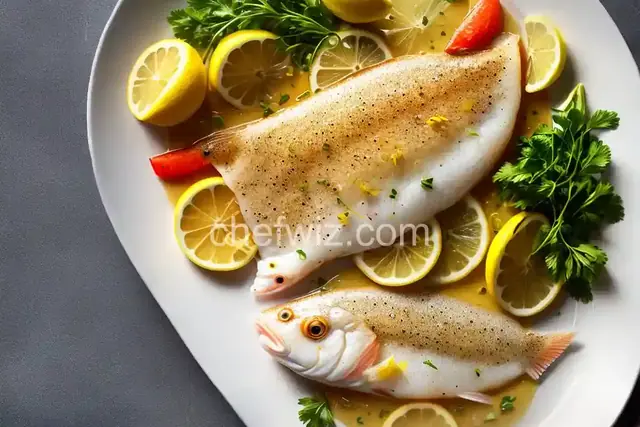 By AprilPublished
 When it comes to seafood, there's a wide array of options to choose from.
Preheat two medium non-stick skillets over medium-low heat for 5 minutes.
Place the fillets on a piece of wax paper, parchment, or a baking sheet and pat them dry with paper towels. Season the fillets with salt and pepper. If the fillets have a thin tail, fold it back to create a more even thickness.
Spread flour on a plate. Coat the rounded sides of the fillets in the flour, shaking off any excess.
Increase the heat to medium-high and add 1 tablespoon of butter to each skillet. Once the butter stops foaming, place 2 fillets into each pan with the rounded-side facing down. Cook the fillets, shaking the skillets occasionally, until they turn golden brown (approximately 2 minutes).
Turn off the heat, use a spatula to flip the fillets, and allow them to finish cooking in the residual heat in the pans for about 2 minutes.
Transfer the cooked fillets to 4 warm plates and loosely cover them with foil.
In one of the skillets, add lemon juice and water. While moving the skillet in a circular motion, gradually add the remaining 3 tablespoons of butter until melted and a smooth, creamy sauce is formed.
Stir in the parsley and thyme, and season the sauce with salt and pepper to taste.
Spoon some of the sauce over each fillet and serve immediately
When it comes to seafood, there's a wide array of options to choose from. From succulent shrimp to mouthwatering salmon, the choices seem endless. However, one fish that often gets overlooked is the lemon sole. This delicate and flavorful fish is a hidden gem in the seafood world. In this article, we will explore the wonders of lemon sole and why it deserves a place on your plate.
Lemon sole, also known as Microstomus kitt, is a flatfish that is found in the North Atlantic Ocean. It gets its name from the lemony flavor that is often associated with its delicate white flesh. This fish is highly valued for its tender texture and mild taste, making it a favorite among seafood enthusiasts.
Imagine sinking your fork into a perfectly cooked lemon sole fillet. The flesh is so delicate that it practically melts in your mouth. Its tender texture is reminiscent of biting into a cloud, leaving you with a satisfying sensation. Whether it's pan-fried, baked, or grilled, lemon sole maintains its delicate texture, making every bite a moment to savor.
As you take a bite of lemon sole, a burst of flavors engulfs your taste buds. The mild, slightly sweet taste of the fish is complemented by a subtle hint of tanginess, resembling the zest of a lemon. This unique combination of flavors creates a truly delightful culinary experience. It's no wonder why lemon sole is often the star of many gourmet seafood dishes.
When it comes to cooking lemon sole, the possibilities are endless. Its delicate flavor pairs well with a variety of ingredients and cooking methods. Whether you prefer a simple lemon and butter sauce or a more adventurous herb-infused marinade, lemon sole adapts beautifully to different flavors.
One popular way to cook lemon sole is by pan-frying it. The fillets are lightly coated in flour or breadcrumbs, creating a golden crust that adds a satisfying crunch. The gentle heat of the pan ensures that the fish remains tender and moist on the inside. Serve it with a squeeze of fresh lemon juice for an extra burst of citrusy flavor.
If you're looking for a healthier option, baking lemon sole is a great choice. Simply place the fillets in a baking dish, season them with herbs and spices, and let the oven work its magic. The result is a perfectly cooked fish that is low in calories but high in flavor. Pair it with a side of steamed vegetables for a complete and nutritious meal.
Don't let the humble lemon sole go unnoticed in the seafood aisle. This delicate and flavorful fish has so much to offer. From its tender texture to its unique flavor profile, lemon sole is a true culinary delight. Whether you're a seafood connoisseur or a curious beginner, give lemon sole a try and discover the wonders it has to offer.
A1: Yes, lemon sole is considered a sustainable seafood choice. Its population is carefully managed to ensure its long-term survival.
A2: Yes, you can freeze lemon sole. Make sure to wrap it tightly in plastic wrap or store it in an airtight container to prevent freezer burn.
A3: Fresh lemon sole should be stored in the refrigerator. Place it in a sealed container or wrap it in plastic wrap to maintain its freshness.
A4: Lemon sole is not commonly used in sushi due to its delicate texture. It is better suited for cooking methods that preserve its tenderness.
A5: Lemon sole pairs well with flavors such as lemon, butter, garlic, dill, and parsley. These ingredients enhance its delicate taste without overpowering it.
A6: Fresh lemon sole should have a mild, slightly sweet smell. The flesh should be firm and moist, with no signs of discoloration or strong odor.
A7: While lemon sole has a unique flavor and texture, you can substitute it with other white fish such as flounder or halibut. However, keep in mind that the taste may vary.
A8: Lemon sole is a good source of lean protein and contains essential vitamins and minerals such as vitamin B12 and selenium. It is also low in calories and fat, making it a healthy choice.
AprilCook, recipe developer and the heart of Chefwiz. More about April