Haggis
Rate this recipeBe the first to rate
 By AprilPublished
 Scotland, a land of stunning landscapes, rich history, and captivating folklore, is also known for its intriguing cuisine.
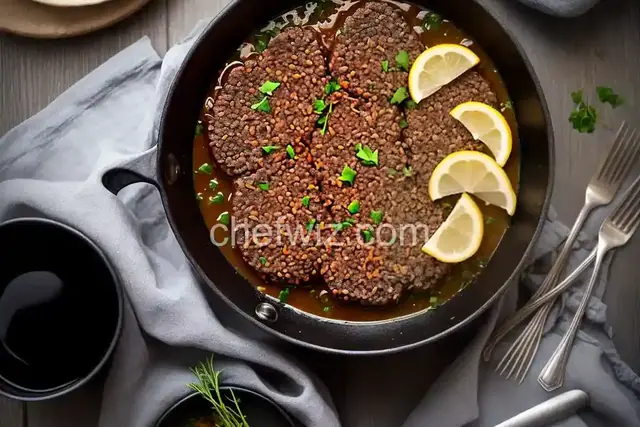 By AprilPublished
 Scotland, a land of stunning landscapes, rich history, and captivating folklore, is also known for its intriguing cuisine.
Thoroughly rinse the stomach and let it soak in cold salted water overnight.
Rinse the liver, heart, and tongue. Cook these parts in a large pot of boiling, salted water over medium heat for 2 hours. Remove and finely chop. Remove any gristle or skin and discard.
In a large bowl, combine the minced liver, heart, tongue, suet, onions, and toasted oats. Season with salt, pepper, and dried herbs. Add some of the cooking water to moisten the mixture and help it bind together.
Take the stomach out of the cold salted water and fill it about 2/3 full with the mixture. Close the stomach by sewing or tying it. Use a turning fork to pierce the stomach multiple times to prevent bursting during cooking.
Carefully place the filled stomach in a large pot of boiling water, making sure not to splash. Cook over high heat for 3 hours.
Serve with mashed potatoes, if desired.
Scotland, a land of stunning landscapes, rich history, and captivating folklore, is also known for its intriguing cuisine. Among the traditional dishes that define Scottish culture, haggis holds a special place. But what exactly is haggis? Where did it come from? Why is it so beloved by the Scots? Join me on a journey to unravel the mystery of Scotland's national dish.
To truly understand haggis, we must go back in time. This iconic dish traces its roots to the ancient Celts, who inhabited Scotland centuries ago. The earliest mention of haggis can be found in a 15th-century Scottish poem by Robert Burns. It was traditionally prepared using a sheep's stomach stuffed with a mixture of minced organ meats, oats, onions, and spices. Over the years, the recipe has evolved, but the essence remains the same.
What sets haggis apart from other dishes is its distinctive combination of ingredients. Imagine a blend of succulent lamb or mutton, mixed with heart, liver, and lungs, all finely minced. To add texture and flavor, oats, onions, and a secret blend of spices are added. The result is a dish that tantalizes the taste buds with its rich, savory goodness.
Preparing haggis is an art form in itself. The mixture of ingredients is carefully seasoned and then packed into a sheep's stomach, which acts as a natural casing. It is then simmered gently for several hours, allowing the flavors to meld together and create a harmonious symphony of taste. The end result is a hearty and flavorsome dish that warms both body and soul.
Haggis is more than just a dish; it is a symbol of Scottish identity and pride. It is traditionally served on Burns Night, a celebration of the life and works of Robert Burns, Scotland's national poet. The haggis is brought to the table ceremoniously, accompanied by bagpipes and a recitation of Burns' famous poem, "Address to a Haggis." This ritualistic display showcases the deep-rooted connection between haggis and Scottish culture.
While haggis finds its origins in Scotland, its popularity has spread far and wide. Scottish expatriates and enthusiasts have introduced haggis to different corners of the globe. From traditional Scottish pubs in London to Scottish-themed restaurants in New York, haggis has become a beloved dish among adventurous food lovers worldwide. Its unique flavor and cultural significance make it a must-try for those seeking an authentic taste of Scotland.
In conclusion, haggis is not just a dish; it is a culinary journey through Scotland's rich history and cultural heritage. Its unique combination of ingredients, the meticulous cooking process, and its role in Scottish traditions make it a truly remarkable delicacy. So, the next time you find yourself in Scotland or at a Scottish-themed event, don't hesitate to savor a plate of haggis and immerse yourself in the flavors of this iconic dish.
While haggis traditionally used a sheep's stomach as a casing, modern variations often use artificial casings or even baking dishes.
Traditional haggis contains meat, but vegetarian versions are available, often made with plant-based ingredients such as lentils and mushrooms.
Haggis has a unique, savory flavor that is often described as rich, earthy, and slightly spicy.
Yes, haggis can be found in select specialty stores and online retailers, allowing you to enjoy this Scottish delicacy no matter where you are in the world.
Haggis is traditionally served with neeps and tatties, which are mashed turnips and potatoes. It can also be enjoyed with a side of whisky sauce or as a filling for pies and pastries.
While haggis is rich in protein and nutrients, it is also high in fat and calories. As with any indulgent dish, moderation is key.
Absolutely! There are numerous haggis recipes available online that provide step-by-step instructions for preparing this iconic dish in your own kitchen.
Yes, vegetarian haggis is a popular option for those who prefer a plant-based diet. These alternatives often use a variety of grains, pulses, and vegetables to replicate the flavors and textures of traditional haggis.
AprilCook, recipe developer and the heart of Chefwiz. More about April