Leche Flan
Rate this recipeBe the first to rate
 By AprilPublished
 Have you ever had a dessert that instantly melts in your mouth, leaving you craving for more?
 By AprilPublished
 Have you ever had a dessert that instantly melts in your mouth, leaving you craving for more?
Preheat the oven to 325 degrees F (165 degrees C).
In a saucepan over medium-high heat, combine sugar and water. Bring to a boil without stirring to prevent crystallization.
Continue boiling, swirling the pan occasionally, until the sugar syrup starts to brown, usually around 7 to 10 minutes.
Reduce the heat to medium-low and monitor the color of the caramel. Once it reaches a deep brown color, immediately pour it into a flan mold. Make sure to tilt the mold carefully to ensure the entire bottom surface is coated.
In a large bowl, combine evaporated milk, condensed milk, egg yolks, and vanilla extract. Stir gently to avoid creating bubbles or foam.
Slowly strain the mixture into the caramel-lined flan mold. Cover the mold with aluminum foil.
Place a baking dish large enough to hold the flan mold on the oven rack. Set the covered flan mold in the baking dish and add enough hot water to reach halfway up the sides of the mold.
Bake in the preheated oven for approximately 1 hour or until the flan is firm.
Carefully remove the flan mold from the oven and let it cool for about 30 minutes.
Run a paring knife around the edges of the flan to loosen it from the mold.
Place a rimmed platter over the mold and carefully flip it over
Have you ever had a dessert that instantly melts in your mouth, leaving you craving for more? Leche Flan is one such indulgence that will take your taste buds on a delightful journey. This creamy and velvety caramel custard is a popular Filipino dessert that is loved by people of all ages. In this article, we will explore the story behind Leche Flan and unravel the secrets to making the perfect batch.
Leche Flan, also known as caramel custard, traces its roots back to Spain. It was brought to the Philippines during the Spanish colonization era, and over time, it has become an integral part of Filipino cuisine. This decadent dessert is often served during special occasions and celebrations, showcasing its rich history and cultural significance.
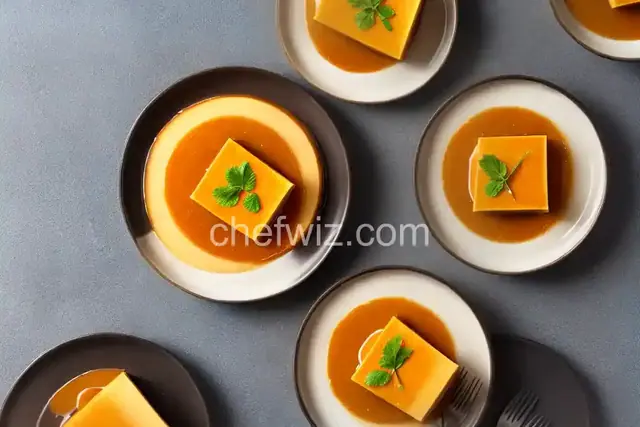
What sets Leche Flan apart from other desserts is its silky smooth texture. Imagine a dessert so delicate that it gently quivers on your spoon before melting in your mouth. The secret lies in the balance of ingredients and the cooking technique. The combination of eggs, condensed milk, and evaporated milk creates a velvety custard that is both firm and creamy.
One of the key elements that make Leche Flan unique is the caramelization process. A golden caramel sauce is created by heating sugar until it reaches a deep amber color. This sauce coats the bottom of the mold and creates a beautiful contrast with the creamy custard when flipped over.
Creating the perfect Leche Flan requires attention to detail and a few tricks up your sleeve. Here are some tips to ensure your custard turns out flawless:
Leche Flan is often served chilled, making it a refreshing dessert on a hot day. It can be enjoyed on its own or paired with other treats. Try serving it with a dollop of whipped cream, a sprinkle of toasted coconut, or even a scoop of vanilla ice cream. The possibilities are endless!
Leche Flan is a dessert that combines simplicity and elegance, creating a timeless treat that never fails to impress. Its smooth and creamy texture, paired with the decadent caramel sauce, makes it a favorite among dessert enthusiasts. So why not give it a try and indulge in a taste of Filipino culture?
While evaporated milk is traditionally used in Leche Flan, you can experiment with different milk options to suit your preferences. Skim milk may result in a lighter texture, so adjust the recipe accordingly.
Yes, you can use sugar alternatives like stevia or erythritol, but keep in mind that it may alter the taste and texture of the caramel sauce. It's best to follow a recipe specifically designed for sugar alternatives.
Leche Flan can be stored in the refrigerator for up to 3 days. Make sure to cover it tightly with plastic wrap or transfer it to an airtight container to maintain its freshness.
Absolutely! You can use individual ramekins, small cups, or even a bundt pan for a unique presentation. Just make sure to adjust the cooking time accordingly.
If your caramel sauce hardens too much, it means it was cooked for too long or at too high of a temperature. Remember to keep a close eye on it and remove it from the heat once it reaches a deep amber color.
Yes, you can infuse the custard with flavors like vanilla extract or citrus zest to add a personal touch. Just be mindful of the quantity, as overpowering flavors can mask the delicate taste of the custard.
While it's technically possible to freeze Leche Flan, the texture may slightly change upon thawing. It's best to consume it fresh for the optimal taste and texture.
Yes, Leche Flan is gluten-free, as it does not contain any wheat or gluten-based ingredients. It's a dessert that can be enjoyed by individuals with gluten sensitivities or allergies.
AprilCook, recipe developer and the heart of Chefwiz. More about April