Lebanese Zaatar (Za'atar) Bread
Rate this recipeBe the first to rate
 By AprilPublished
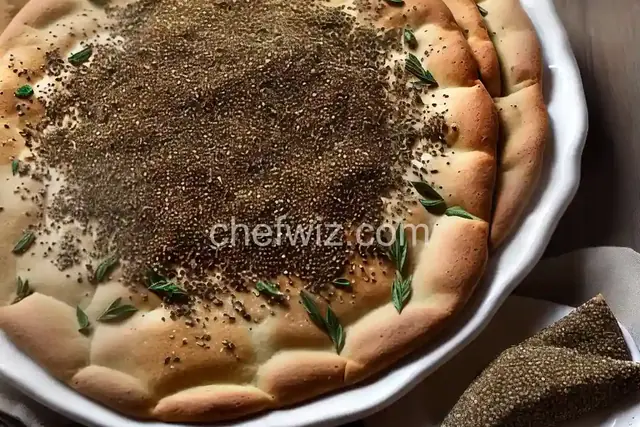
Have you ever tried Lebanese Zaatar bread? If not, you're missing out on a delightful treat that is loved by many around the world.
 By AprilPublished
Have you ever tried Lebanese Zaatar bread? If not, you're missing out on a delightful treat that is loved by many around the world.
Preheat the oven to 350 degrees F (175 degrees C).
In a large bowl, combine water, yeast, salt, and sugar.
Add all-purpose flour, whole wheat flour, olive oil, and corn oil to the mixture. Use your hands to mix everything together until the dough holds together. If necessary, add more whole wheat flour until the desired consistency is achieved.
Incorporate the za'atar into the dough until it is evenly distributed (refer to notes for alternatives).
On a floured work surface, shape the dough into rounds, using about 1/4 cup of dough per piece.
Arrange the rounds on baking sheets.
Place the baking sheets in the preheated oven and bake until the rounds are lightly browned, approximately 25 minutes.
If fresh za'atar is not available, you can substitute it with fresh oregano, but use less.
If using dried spice blend or dried oregano, begin with 2 tablespoons and adjust according to your taste preferences.
Have you ever tried Lebanese Zaatar bread? If not, you're missing out on a delightful treat that is loved by many around the world. This traditional Middle Eastern bread is not only delicious but also holds a special place in Lebanese cuisine. In this article, we will explore the wonders of Lebanese Zaatar bread, its history, and why it has become a popular choice for bread lovers everywhere.
Lebanese Zaatar bread has a rich history that dates back centuries. It is believed to have originated in the Levant region, which includes modern-day Lebanon, Syria, Jordan, and Palestine. The word "zaatar" refers to both the herb blend and the bread itself. The herb blend consists of dried thyme, sesame seeds, sumac, and salt. This unique blend gives the bread its distinct flavor and aroma.
Lebanese Zaatar bread has been a staple in Lebanese households for generations. It is often enjoyed for breakfast or as a snack throughout the day. The combination of the flavorful herb blend with the warm, fluffy bread creates a mouthwatering experience that is hard to resist.
Making Lebanese Zaatar bread is an art form in itself. The process starts with preparing the dough, which is usually a mixture of flour, yeast, salt, sugar, and olive oil. The dough is then left to rise, allowing it to become soft and airy. Once the dough has risen, it is rolled out into thin rounds and topped generously with the zaatar herb blend.
The zaatar herb blend is mixed with olive oil to create a paste-like consistency, which is then spread over the dough. The bread is then baked in a hot oven, resulting in a golden crust and a heavenly aroma that fills the kitchen.
Lebanese Zaatar bread has gained popularity worldwide due to its unique and flavorful taste. The combination of the aromatic herbs, the nutty sesame seeds, and the tangy sumac creates a symphony of flavors that is hard to resist. The bread itself is soft and fluffy, providing the perfect canvas for the zaatar herb blend to shine.
Not only is Lebanese Zaatar bread delicious, but it is also versatile. It can be enjoyed on its own as a snack, or paired with various dips and spreads such as hummus, labneh, or tahini. It can also be used as a base for sandwiches or served alongside a hearty bowl of soup.
Lebanese Zaatar bread is a true gem in Lebanese cuisine. Its rich history, unique flavors, and versatility make it a favorite among bread lovers worldwide. Whether you're a fan of Middle Eastern cuisine or simply looking to try something new, Lebanese Zaatar bread is definitely worth a try. So, why not indulge in a warm, freshly baked piece of this delightful bread and experience the magic for yourself?
Yes, you can! Making Lebanese Zaatar bread at home is a wonderful way to experience the authentic flavors of this traditional bread. With a few simple ingredients and a little bit of patience, you can create your own delicious Zaatar bread.
Zaatar herb blend can be found in Middle Eastern grocery stores or online. Alternatively, you can also make your own Zaatar blend by combining dried thyme, sesame seeds, sumac, and salt.
Yes, you can freeze Lebanese Zaatar bread. Simply wrap the bread tightly in plastic wrap or aluminum foil and place it in the freezer. When you're ready to enjoy it, thaw it at room temperature or reheat it in the oven for a few minutes.
While the traditional Lebanese Zaatar bread is made with the classic herb blend, there are also variations that incorporate different ingredients such as cheese, olives, or minced meat. These variations add an extra layer of flavor to the bread.
Yes, Zaatar bread is vegan-friendly. The traditional recipe does not contain any animal products, making it a great option for those following a vegan diet.
Absolutely! Zaatar bread pairs well with a variety of Middle Eastern dishes such as falafel, tabbouleh, or baba ganoush. Its versatile nature makes it a great addition to any Middle Eastern feast.
Zaatar bread is best enjoyed fresh and warm. It can be stored in an airtight container at room temperature for up to 2-3 days. However, it is recommended to consume it as soon as possible for the best taste and texture.
Absolutely! Zaatar herb blend can be used in a variety of dishes such as roasted vegetables, grilled meats, or even sprinkled on top of salads. Its unique flavor adds a delicious twist to any dish.
AprilCook, recipe developer and the heart of Chefwiz. More about April