Fermented Kosher-Style Dill Pickles
Rate this recipeBe the first to rate
 By AprilPublished
 Have you ever craved that perfect combination of tangy and crunchy?
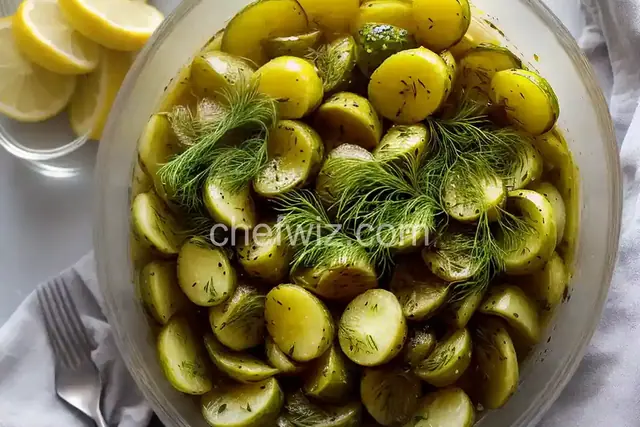 By AprilPublished
 Have you ever craved that perfect combination of tangy and crunchy?
In a large container or pot, pour 1/2 gallon of water. Loosely cover and let it sit for 24 hours to allow chlorine to dissipate.
To make the cucumbers crisp, refrigerate them or soak them in cold water for 1 hour.
In a saucepan, bring 1 cup of water to a boil. Add salt and stir until combined. Set aside to cool.
Rinse the cucumbers with cold water and remove any attached blossoms. For large cucumbers, quarter them lengthwise; for medium cucumbers, cut them in half lengthwise; and for gherkin-sized cucumbers, leave them whole.
Peel and gently crush the garlic cloves, being careful not to break them into small fragments.
Pour the cooled salt water into a 1/2-gallon mason jar. Arrange the cucumbers, garlic, dill, and dried chile peppers attractively in the jar. Pack the cucumbers tightly as they will shrink during pickling. Fill the jar with dechlorinated water until the cucumbers are just covered, to avoid diluting the brine too much.
Loosely cover the jar and place it at room temperature. If the jar is full, place it on a dish to catch any drips. Let it sit undisturbed for 12 to 24 hours until fermentation begins.
As
Have you ever craved that perfect combination of tangy and crunchy? Look no further than fermented kosher-style dill pickles! These delightful pickles are not only a treat for your taste buds, but they also offer a range of health benefits. In this article, we will explore the process of making these delectable pickles, delve into their rich history, and answer some common questions about their preparation. So, let's dive into the brine and discover the world of fermented kosher-style dill pickles!
Before we get into the nitty-gritty of making fermented kosher-style dill pickles, let's understand the science behind this tangy transformation. Fermentation is a natural process where beneficial bacteria convert sugars into acids, creating a tangy flavor and preserving the food. In the case of pickles, cucumbers are submerged in a brine solution with dill, garlic, and other spices. Over time, the lactic acid bacteria present on the cucumbers convert the sugars into lactic acid, giving the pickles their signature sour taste.
What sets kosher-style dill pickles apart from their counterparts is the specific set of guidelines they adhere to. To be considered kosher, the pickles must be prepared in accordance with Jewish dietary laws. This means using kosher salt, avoiding non-kosher ingredients, and following specific preparation techniques. So, when you bite into a kosher-style dill pickle, you can be assured of its adherence to tradition and quality.
The history of pickles can be traced back thousands of years. Ancient civilizations, including the Mesopotamians and Egyptians, have been pickling their food for preservation purposes. The process of fermentation was discovered by chance, but its benefits were soon recognized. Even Cleopatra, known for her beauty rituals, believed that pickles had beauty-enhancing properties.
In Jewish culture, pickles hold a special place. They have been a staple in Jewish cuisine for centuries, with kosher-style dill pickles being a favorite. These pickles were traditionally made in barrels and sold by Jewish street vendors. Today, they can be found in delis and grocery stores, bringing a slice of history to our modern plates.
Now that we've covered the basics, let's learn how to make your own batch of tangy and crunchy fermented kosher-style dill pickles. Here's a step-by-step guide:
And voila! You now have your very own homemade fermented kosher-style dill pickles ready to enjoy.
Fermented kosher-style dill pickles offer a unique blend of tanginess, crunch, and tradition. By harnessing the power of fermentation, these pickles not only tantalize our taste buds but also promote a healthy gut. So, why not embark on a pickle-making adventure and savor the delicious rewards? Happy pickling!
While regular table salt can be used as a substitute, kosher salt is recommended for its pure taste and lack of additives.
When properly stored in the refrigerator, fermented kosher-style dill pickles can last for several months.
Absolutely! The longer you allow the pickles to ferment, the tangier they will become. Adjust the fermentation time based on your preference.
Yes, you can reuse the brine, but it may result in less tangy pickles. To maintain the desired flavor, it is recommended to prepare fresh brine for each batch.
Of course! Feel free to experiment with different spices and herbs to customize the flavor of your fermented kosher-style dill pickles.
Yes! Fermented pickles are a great source of probiotics, which promote a healthy gut. They also contain essential vitamins and minerals.
Absolutely! Homegrown cucumbers make for delicious and fresh fermented kosher-style dill pickles.
Yes, fermented kosher-style dill pickles are vegan-friendly and make for a tasty addition to any plant-based meal.
AprilCook, recipe developer and the heart of Chefwiz. More about April