Lavash (Armenian Flatbread)
Rate this recipeBe the first to rate
 By AprilPublished
 Imagine a bread that is as versatile as a chameleon, complementing every dish it encounters, from savory to sweet.
 By AprilPublished
 Imagine a bread that is as versatile as a chameleon, complementing every dish it encounters, from savory to sweet.
In a medium bowl, whisk together the flours, cornstarch, and yeast.
Add the milk, oil, and honey to the bowl and stir with a wooden spoon until well combined and no dry flour remains. This should take about 15 to 30 seconds.
Cover the bowl and let the mixture sit at room temperature for 20 minutes.
Sprinkle salt on top of the dough and knead it in the bowl using lightly-moistened hands until the salt is fully incorporated and the dough is even in texture. This should take about 30 seconds.
Cover the bowl again and let the dough sit at room temperature for 45 minutes.
Once again, knead the dough in the bowl with lightly-moistened hands until it is uniform in texture. This should take about 5 to 10 seconds.
Cover the bowl and let the dough sit at room temperature until it becomes puffy and almost doubled in volume. This should take about 30 to 60 minutes.
Transfer the dough to a lightly-floured countertop and lightly flour the top of the dough. Divide the dough into 4 equally-sized pieces, each weighing about 100g. Shape each piece into a smooth, taut round.
Lightly coat each dough ball with oil and then transfer them to lightly-oiled containers or a lightly-oiled tray, making sure they are spaced at least 2 inches apart
Imagine a bread that is as versatile as a chameleon, complementing every dish it encounters, from savory to sweet. A bread that is as thin as a whisper, yet sturdy enough to hold a myriad of fillings. Welcome to the world of lavash, the Armenian flatbread that has captured the hearts and taste buds of people around the globe.
Making lavash is a tradition that has been passed down through generations in Armenia. It is an art form, a delicate dance between flour, water, and a keen eye for detail. The process begins with a simple dough made from basic ingredients, but it is the skill and finesse of the baker that transforms it into the thin, stretchy, and slightly chewy flatbread we all know and love.
As you watch the lavash dough being stretched and twirled, you can't help but be mesmerized by the rhythmic movements of the baker. The dough is then slapped onto the walls of a traditional tonir, a clay oven buried in the ground. Within seconds, the bread puffs up, creating a spectacle of steam and heat.
Once the lavash is baked to perfection, it is carefully removed from the tonir. The bread is still warm, and its intoxicating aroma fills the air. It is then stacked high, ready to be enjoyed with an array of dishes or used as a vessel for wrapping and rolling.
One of the most remarkable aspects of lavash is its versatility. It is a blank canvas waiting to be adorned with flavors and textures. From savory wraps filled with grilled meats and fresh vegetables to sweet treats layered with honey and nuts, the possibilities are endless.
Are you craving a taste of the Mediterranean? Use lavash as the foundation for a mouthwatering gyro or souvlaki wrap. The softness of the bread contrasts perfectly with the crunch of the vegetables and the savory flavors of the meat. It's a flavor explosion in every bite.
If you have a sweet tooth, lavash has got you covered too. Picture this: a delicate layer of creamy Nutella spread over a warm lavash, topped with a sprinkle of crushed hazelnuts. Roll it up, take a bite, and let the combination of textures and flavors transport you to dessert heaven.
Lavash, the versatile Armenian flatbread, is a true culinary treasure. Its thin, stretchy texture and ability to pair perfectly with any dish make it a favorite around the world. Whether you're enjoying it with savory fillings or indulging in a sweet treat, lavash is sure to satisfy your taste buds and leave you craving more. So go ahead, embrace the art of lavash making and let your culinary creativity run wild.
Absolutely! While the traditional method requires a tonir, you can achieve delicious results with a hot skillet or even a regular oven.
Unfortunately, lavash is typically made with wheat flour and is not gluten-free. However, there are gluten-free alternatives available.
Lavash has a relatively long shelf life. When stored in an airtight container, it can stay fresh for up to a week.
Yes, you can freeze lavash. Wrap it tightly in plastic wrap or foil before placing it in the freezer. It can be thawed and enjoyed later.
Lavash is relatively low in calories and fat compared to other bread options. It also provides a good source of carbohydrates and some essential nutrients.
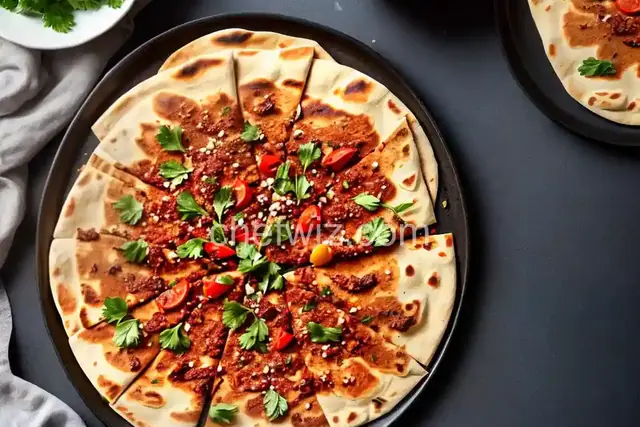
Absolutely! Lavash makes a fantastic thin and crispy pizza crust. Simply top it with your favorite ingredients and bake until golden and bubbly.
Some traditional Armenian dishes that utilize lavash include khorovats (Armenian barbecue), dolma (stuffed grape leaves), and basturma (cured beef).
Absolutely! Lavash is delicious even when enjoyed plain. Its subtle flavor and unique texture make it a delightful snack on its own or paired with a dip of your choice.
AprilCook, recipe developer and the heart of Chefwiz. More about April