Kimbap
Rate this recipeBe the first to rate
 By AprilPublished
 Have you ever wanted to explore the vibrant and diverse world of Korean cuisine?
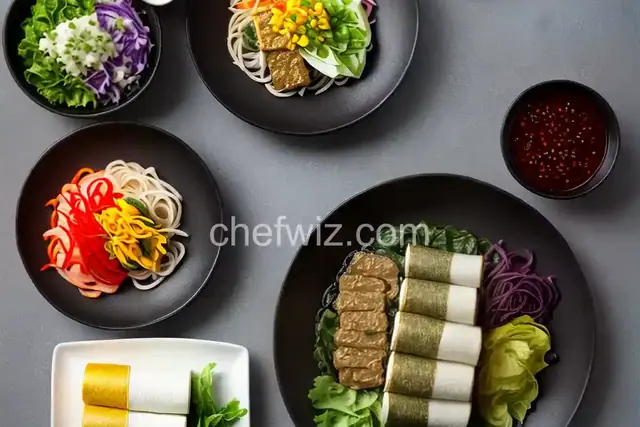 By AprilPublished
 Have you ever wanted to explore the vibrant and diverse world of Korean cuisine?
In a large bowl, rinse the rice twice and then fill the bowl with fresh water. Allow the rice to soak for 30 minutes.
Fill a pot with 2 inches of water. Place the drained, soaked rice in a steamer or a fine-meshed sieve that fits tightly over the pot. Cover the pot with a lid.
Over medium heat, bring the water in the pot to a boil. Once boiling, reduce the heat to low and continue cooking until the rice grains turn from opaque to translucent, which should take about 25 minutes. Remove the pot from the heat and keep it covered for another 10 minutes.
Transfer the cooked rice to a large bowl and gently mix in the sesame oil and salt. Set the bowl aside and let the rice cool.
In a separate large bowl, stir together all the remaining ingredients until well combined.
In a large skillet over medium heat, brush the oil evenly across the bottom and sides of the pan.
Reduce the heat to medium-low and add the eggs to the pan, swirling it several times to create a thin layer. Cook until the edges of the omelette begin to peel away from the pan, which should take about 2 to 3 minutes. Gently flip the omelette and cook for an additional 1 minute or until the eggs are fully set.
Remove the omelette from the pan, sprinkle it lightly with salt, and
Have you ever wanted to explore the vibrant and diverse world of Korean cuisine? Look no further than kimbap, a popular and versatile dish that is sure to delight your taste buds. In this article, we will take you on a delicious journey into the world of kimbap, exploring its origins, variations, and the best places to enjoy it.
Like many traditional dishes, kimbap has a fascinating history that dates back centuries. It is believed to have originated from the Japanese sushi roll, which was introduced to Korea during the Japanese occupation. However, Koreans quickly put their own spin on it, using local ingredients and flavors to create a unique culinary masterpiece.
Unlike its Japanese counterpart, kimbap is made with steamed rice and a variety of fillings, such as vegetables, egg, and meat. The ingredients are then rolled tightly in a sheet of seaweed (kim) and sliced into bite-sized pieces. This convenient and portable snack became a staple in Korean cuisine and is now enjoyed by people all around the world.
One of the wonderful things about kimbap is its versatility. There are countless variations of this dish, each with its own distinct flavors and ingredients. From classic kimbap filled with vegetables and pickled radish to more elaborate versions with beef or seafood, there is something to suit every palate.
For those looking for a vegetarian option, there are kimbap varieties filled with mushrooms, tofu, and other plant-based ingredients. If you prefer a spicy kick, try the spicy tuna kimbap or the kimchi kimbap, which combines the tangy flavors of kimchi with the satisfying crunch of vegetables.
While kimbap is readily available in Korean restaurants around the world, there are a few places that are known for serving the best kimbap. If you find yourself in Seoul, head to Gwangjang Market, where you can feast on authentic street food, including delicious kimbap. The vibrant atmosphere and wide range of food options make it a must-visit for any food lover.
Another popular spot for kimbap enthusiasts is Busan, a coastal city known for its fresh seafood. Here, you can indulge in kimbap filled with prawns, squid, or even sea urchin. The combination of the oceanic flavors with the satisfying crunch of vegetables creates a truly delightful culinary experience.
Kimbap is more than just a delicious dish; it is a symbol of Korean culture and culinary creativity. Whether you're a fan of sushi or simply looking to try something new, kimbap is a must-try. With its endless variations and flavors, this humble snack has captured the hearts and taste buds of people all around the world. So, why not embark on a delicious journey and discover the joy of kimbap?
While kimbap and sushi may share some similarities, they are two distinct dishes. Kimbap is made with steamed rice and a variety of fillings, while sushi uses vinegared rice and raw or cooked seafood.
Absolutely! Making kimbap at home is a fun and rewarding experience. You can find all the necessary ingredients at your local Asian grocery store and customize the fillings according to your preferences.
Kimbap can be made gluten-free by using gluten-free soy sauce and ensuring that the fillings do not contain any gluten-containing ingredients. However, it is always best to check the labels of the ingredients to be sure.
Yes, you can refrigerate kimbap for a few hours or overnight. Just make sure to wrap it tightly in plastic wrap or aluminum foil to prevent it from drying out.
Kimbap is best enjoyed fresh, but it can be stored in the refrigerator for up to 24 hours. However, the quality may deteriorate over time, so it is recommended to consume it as soon as possible.
While it is possible to freeze kimbap, the texture and taste may be affected. It is best to consume it fresh or refrigerate it if you plan to enjoy it later.
Absolutely! Kimbap makes a great portable lunch. Just wrap it tightly in plastic wrap or foil and pack it in your lunchbox. It is a delicious and nutritious alternative to sandwiches.
Yes, there are plenty of vegan options for kimbap. You can fill it with a variety of vegetables, tofu, and other plant-based ingredients to create a delicious and satisfying meal.
AprilCook, recipe developer and the heart of Chefwiz. More about April