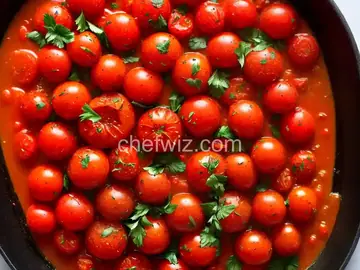
Kapusta
Rate this recipeBe the first to rate
 By AprilPublished
 When it comes to versatile vegetables, cabbage takes the crown.
 By AprilPublished
 When it comes to versatile vegetables, cabbage takes the crown.
Preheat the oven to 350 degrees F (175 degrees C).
Place cabbage in a medium-sized saucepan and add enough water to cover it. Bring to a boil over high heat and cook until tender, which should take about 10 minutes. Drain the cabbage.
While the cabbage is cooking, melt 4 tablespoons of butter in a large skillet over medium heat. Add onions and mushrooms and sauté until they become tender, which should take approximately 5 to 7 minutes. Remove from heat.
In a 9x13-inch baking dish, combine the drained cabbage, onion-mushroom mixture, sauerkraut, sugar, thyme, salt, and pepper. Mix everything together until well combined. Cut the remaining 2 tablespoons of butter into small pieces and arrange them on top. Cover the dish with aluminum foil.
Bake the dish in the preheated oven for 1 hour, stirring every 20 minutes.
When it comes to versatile vegetables, cabbage takes the crown. Its crisp texture, unique flavor, and numerous health benefits make it a favorite ingredient in many cuisines. From coleslaws to sauerkraut, this leafy vegetable has found its way into countless dishes around the world. So, let's dive into the delicious world of kapusta and explore its many wonders.
Imagine a vegetable that is as sturdy as a knight's shield, yet as tender as a mother's love. That's cabbage for you! With its dense leaves and refreshing crunch, it adds a delightful element to any dish. Whether you prefer it raw, steamed, stir-fried, or braised, cabbage never fails to impress.
Beneath its humble exterior, cabbage packs a powerful punch of essential nutrients. It is rich in vitamins C, K, and B6, as well as minerals like potassium and manganese. Moreover, cabbage is a great source of fiber, which aids digestion and promotes a healthy gut.
One of the greatest advantages of cabbage is its versatility in the kitchen. It can be the star of the show or a supporting player, depending on the recipe. Whether you're making a tangy slaw, a hearty soup, or a flavorful stir-fry, cabbage effortlessly adapts to different cooking methods and flavors.
Now that we know why cabbage is so remarkable, let's take a journey through some popular cabbage dishes from around the world:
Kimchi, the iconic Korean side dish, is made by fermenting cabbage with a blend of spices. Its tangy, spicy, and slightly sour flavors make it a perfect accompaniment to any meal. Plus, the fermentation process adds beneficial probiotics to aid digestion.
Coleslaw, a beloved American dish, combines shredded cabbage with a creamy dressing. Whether it's served as a side or piled high on a sandwich, coleslaw adds a refreshing and crunchy element to any meal.
Stuffed cabbage rolls, also known as golubtsi or sarma, are a cherished dish in many European countries. The cabbage leaves are filled with a flavorful mixture of meat, rice, and spices, then simmered in a savory sauce. Each bite is a delightful explosion of flavors.
Cabbage, or kapusta, truly deserves its place in the culinary world. Its versatility, nutritional benefits, and delicious flavor make it a valuable addition to any kitchen. So, the next time you're planning a meal, don't forget to include this humble yet magnificent vegetable. Whether you're exploring global cuisines or creating your own cabbage-inspired dishes, kapusta is sure to satisfy your taste buds and nourish your body.
Absolutely! Raw cabbage adds a crisp and refreshing element to salads and slaws. Just make sure to wash it thoroughly before consuming.
To keep cabbage fresh, store it in the refrigerator in a perforated plastic bag. This allows air circulation while retaining moisture.
While cabbage can be frozen, it may lose some of its crispness. It is best to blanch it before freezing to maintain its texture.
When stored properly, cabbage can last up to two weeks in the refrigerator.
Cabbage leaves can be used as wraps for stuffing with various fillings, such as ground meat or vegetables. They can also be pickled or fermented to create tangy and flavorful dishes.
Cabbage is low in calories and high in fiber, making it a great addition to a weight loss diet. Its high water content also helps keep you hydrated.
While some individuals may experience gas or bloating from eating cabbage, cooking it can help reduce these effects.
Yes, cabbage is rich in fiber, which aids digestion and promotes a healthy gut. It can help alleviate constipation and support overall digestive health.
AprilCook, recipe developer and the heart of Chefwiz. More about April