Green Curry Paste
Rate this recipeBe the first to rate
 By AprilPublished
 Have you ever wondered what makes Thai cuisine so deliciously unique?
 By AprilPublished
 Have you ever wondered what makes Thai cuisine so deliciously unique?
Place chile peppers, shallot, garlic, galangal, salt, lemon grass, cilantro, lime leaves, peppercorns, cumin seeds, and coriander seeds in a mortar.
Use a pestle to grind the ingredients until they are combined.
Add shrimp paste to the mixture in the mortar.
Continue grinding until the paste becomes smooth.
If you prefer a milder curry paste, you can use fewer small green chilies.
Have you ever wondered what makes Thai cuisine so deliciously unique? The answer lies in the vibrant and aromatic green curry paste. Packed with a blend of fresh herbs, spices, and other flavorful ingredients, green curry paste is the secret ingredient that can transform a simple dish into a culinary masterpiece. In this article, we will delve into the world of green curry paste, exploring its origins, composition, and how it can be used to elevate your cooking to new heights.
Like many traditional recipes, the origins of green curry paste can be traced back to the rich cultural heritage of Thailand. This vibrant and spicy paste is a staple in Thai cuisine, known for its distinct flavors and versatility. It is commonly used in a variety of dishes, including curries, stir-fries, soups, and marinades.
Green curry paste gets its name from the fresh green chilies that are its main ingredient. These chilies, along with other aromatic herbs and spices, are pounded into a paste using a mortar and pestle. The process of pounding the ingredients not only releases their flavors but also creates a beautifully textured paste that adds depth and complexity to any dish.
One of the fascinating aspects of green curry paste is its diverse and complex composition. While the exact recipe may vary, depending on regional preferences and personal tastes, there are a few key ingredients that are commonly found in most recipes.
Green chilies, as mentioned earlier, are the star of the show. These fiery little peppers not only provide the heat but also contribute to the vibrant green color of the paste. Other common ingredients include garlic, shallots, lemongrass, galangal (a close relative of ginger), cilantro, and shrimp paste. These ingredients work together to create a harmonious balance of flavors, ranging from spicy and tangy to sweet and aromatic.
Now that we know what green curry paste is made of, let's explore how it can be used to enhance your cooking. The versatility of green curry paste allows it to be used in various dishes, each bringing its unique twist to the table.
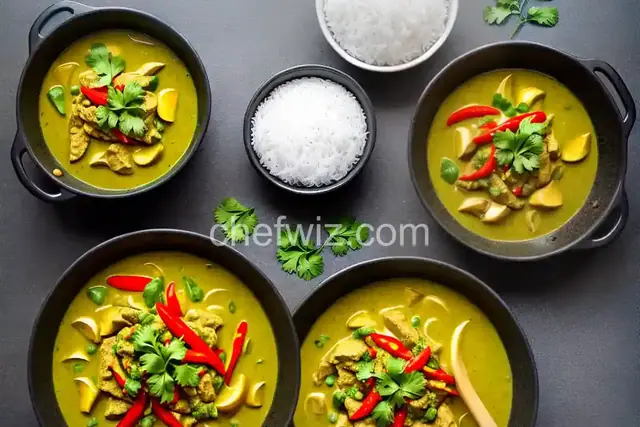
One of the most popular uses of green curry paste is in Thai green curry, a flavorful and aromatic dish that combines the paste with coconut milk, vegetables, and protein of choice. The creamy and slightly spicy curry is a delight to the taste buds, offering a perfect balance of flavors.
Green curry paste can also be used as a marinade for meats, adding a burst of flavor before grilling or roasting. It can be mixed with coconut milk to create a delicious sauce for stir-fries, or even used as a spread on sandwiches and wraps for an extra kick.
Green curry paste is a culinary gem that brings the flavors of Thailand to your kitchen. Its vibrant colors, aromatic spices, and fiery heat can take your dishes to new heights. Whether you're a fan of Thai cuisine or looking to explore new flavors, green curry paste is a must-have ingredient that will undoubtedly elevate your cooking game. So, grab a jar of this flavorful paste and embark on a delicious culinary adventure!
Yes, green curry paste is known for its spiciness. However, the level of heat can be adjusted by adding more or fewer green chilies.
Absolutely! Making your own green curry paste allows you to customize the flavors according to your preference. However, it can be time-consuming, so store-bought options are also available.
Most green curry paste recipes are gluten-free. However, it is always recommended to check the ingredients or opt for certified gluten-free brands.
Green curry paste can be stored in an airtight container in the refrigerator for up to a month. Alternatively, it can be frozen for longer shelf life.
Yes, there are vegetarian and vegan-friendly versions of green curry paste available. These omit ingredients like shrimp paste and may use alternative seasonings for added flavor.
Absolutely! Green curry paste's bold and aromatic flavors can be a wonderful addition to various cuisines, adding a unique twist to familiar dishes.
Green curry paste is generally spicier than other curry pastes, such as red or yellow curry paste. However, the heat level can still be adjusted to suit personal preferences.
While it is primarily used as an ingredient in cooking, some people enjoy using green curry paste as a condiment or dipping sauce for added flavor.
AprilCook, recipe developer and the heart of Chefwiz. More about April