Japanese-Style (Kewpie) Mayo Recipe
Rate this recipeBe the first to rate
 By AprilPublished
 Mayonnaise is a staple in many kitchens around the world, but have you ever tasted the unique flavor of Japanese-style mayo?
 By AprilPublished
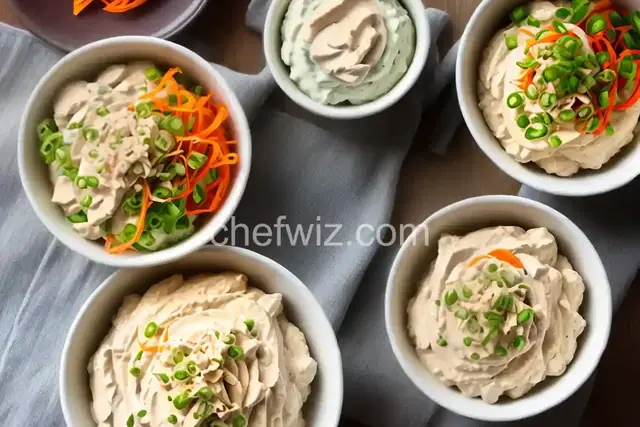
 Mayonnaise is a staple in many kitchens around the world, but have you ever tasted the unique flavor of Japanese-style mayo?
Step 1: In a small bowl, mix together rice vinegar, malt vinegar, salt, MSG, mustard powder, hon-dashi powder, and garlic powder until the hon-dashi is fully dissolved.
Step 2: Place the vinegar mixture and egg yolks in the work bowl of a food processor or at the bottom of a cup or jar that fits the head of your immersion blender. Blend or pulse to combine. The egg/vinegar mixture should reach the blades of the immersion blender (see note). If it doesn't, double the recipe.
Step 3: If using a food processor, slowly pour vegetable oil into the mixture while the motor is running, creating a thick emulsion. If using an immersion blender, pour all the oil on top of the vinegar mixture and let it settle for 15 seconds. Place the head of the immersion blender at the bottom of the cup and turn it on high speed, keeping it still until a thick emulsion starts to form (about 15 seconds). Gradually tilt and lift the blender head as the mayonnaise forms, ensuring all the oil is emulsified.
Step 4: Transfer the mayonnaise to an airtight container and refrigerate for up to 2 weeks.
Mayonnaise is a staple in many kitchens around the world, but have you ever tasted the unique flavor of Japanese-style mayo? It's a creamy, tangy, and slightly sweet condiment that adds a delightful twist to any dish. In this article, we will explore the wonders of Japanese-style mayo and why it has become a favorite among food enthusiasts. Prepare to embark on a culinary journey like no other!
Japanese-style mayo, also known as Kewpie Mayo, originated in Japan in the early 20th century. It was created by Toichiro Nakashima, the founder of Kewpie Corporation, who wanted to bring a new kind of mayo to the market. Unlike traditional Western mayo, Japanese-style mayo uses rice vinegar instead of distilled vinegar, giving it a distinct flavor profile.
What sets Japanese-style mayo apart is its velvety texture and umami-rich taste. It's made with egg yolks, vegetable oil, rice vinegar, and a touch of mustard. The combination of these ingredients creates a creamy and tangy sauce that complements a wide range of dishes.
Japanese-style mayo is incredibly versatile and can be used in various dishes. Its creamy texture and tangy flavor make it a perfect accompaniment for sushi, sashimi, and tempura. You can also use it as a dip for French fries or a tangy spread for sandwiches and burgers.
But the magic of Japanese-style mayo doesn't stop there. It can be used as a base for salad dressings, adding a creamy and tangy element to your favorite salads. You can also mix it with other ingredients like wasabi or soy sauce to create unique dipping sauces.
What makes Japanese-style mayo so irresistibly creamy? The answer lies in its preparation. Unlike traditional mayo, Japanese-style mayo is made using only egg yolks instead of whole eggs. This gives it a richer and creamier texture.
Additionally, Japanese-style mayo incorporates the use of vegetable oil instead of olive oil or other oils commonly used in Western mayo. Vegetable oil has a milder flavor, allowing the tangy taste of the vinegar to shine through.
If you're a mayo lover, trying Japanese-style mayo is a must. Its unique flavor profile and velvety texture will take your taste buds on a delightful journey. Whether you're a fan of sushi, sandwiches, or salads, Japanese-style mayo will add a whole new dimension to your favorite dishes.
Not only does Japanese-style mayo enhance the flavor of your food, but it also elevates the overall dining experience. Its creamy and tangy taste creates a harmonious balance of flavors that will leave you craving for more.
Japanese-style mayo, with its creamy texture and tangy flavor, is a culinary delight that adds a delightful twist to any dish. Whether you're a sushi lover or a sandwich enthusiast, Japanese-style mayo is a must-try condiment that will take your taste buds on a journey like no other. So, why not add a dollop of this magic mayo to your next meal and experience the wonders it has to offer?
No, Japanese-style mayo is not spicy. It has a tangy and slightly sweet flavor but does not contain any spicy ingredients.
Yes, you can make Japanese-style mayo at home. All you need are egg yolks, vegetable oil, rice vinegar, mustard, and a pinch of salt. Mix the ingredients together until creamy, and voila!
Japanese-style mayo can last for about one to two months when stored in the refrigerator. Make sure to check the expiration date on the bottle for specific guidelines.
Absolutely! Japanese-style mayo works great as a substitute for regular mayo in most recipes. Its unique flavor will add a delightful twist to your dishes.
Yes, Japanese-style mayo is gluten-free. However, it's always advisable to check the label for any potential allergens or gluten-containing ingredients.
Japanese-style mayo is widely available in Asian grocery stores and some supermarkets. You can also purchase it online from various retailers.
While Japanese-style mayo is not commonly used in baking, it can be used as a substitute for eggs or oil in some recipes. It adds moisture and richness to baked goods.
Yes, there are vegan alternatives to Japanese-style mayo available in the market. These alternatives are made with plant-based ingredients and offer a similar creamy texture and tangy flavor.
AprilCook, recipe developer and the heart of Chefwiz. More about April