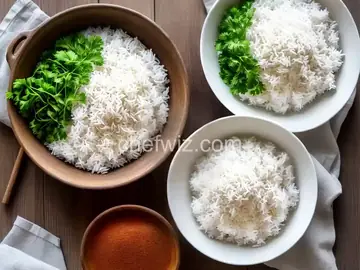
Japanese rice with bonito flakes and soy sauce - Nekomanma (literal translation means Cat rice) ????
Rate this recipeBe the first to rate
 By AprilPublished
 Have you ever tried Japanese rice with bonito flakes and soy sauce?
 By AprilPublished
 Have you ever tried Japanese rice with bonito flakes and soy sauce?
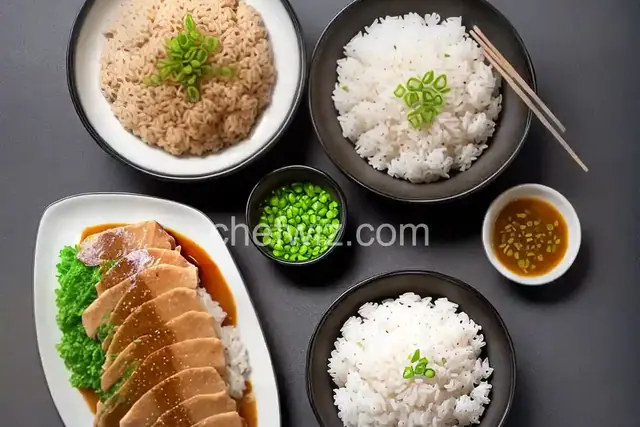
Cook white Japanese rice according to package instructions.
Sprinkle a generous amount of bonito flakes over the cooked rice.
Lightly drizzle a small amount of soy sauce over the rice and bonito flakes.
Mix gently to evenly distribute the flavors.
Serve and enjoy!
Have you ever tried Japanese rice with bonito flakes and soy sauce? If not, you're in for a treat! This simple yet flavorful dish, known as Nekomanma (literal translation means Cat rice), is a popular comfort food in Japan. It combines the umami-rich flavors of bonito flakes and soy sauce with perfectly cooked rice, creating a delightful explosion of taste in every bite. So, let's dive into the world of Nekomanma and discover why it's a must-try dish!
Imagine thin, delicate flakes dancing on your tongue, releasing a smoky and slightly fishy flavor that instantly transports you to the shores of Japan. That's the magic of bonito flakes! Made from dried, fermented, and smoked skipjack tuna, these paper-thin flakes are a staple in Japanese cuisine. They add a unique depth of flavor to any dish, and when combined with rice and soy sauce, they create a symphony of taste that is truly unforgettable.
When it comes to umami, soy sauce reigns supreme. This dark, savory elixir is made from fermented soybeans, wheat, salt, and a special mold called koji. It's the secret ingredient that brings out the best in Japanese cuisine, enhancing the flavors of every dish it touches. When drizzled over the bonito flakes and rice, soy sauce adds a rich, salty kick that elevates the Nekomanma to new heights of deliciousness.
Every great dish begins with a solid foundation, and in the case of Nekomanma, that foundation is perfectly cooked rice. Japanese rice, also known as sushi rice or short-grain rice, is the ideal choice for this dish. Its sticky texture and slightly sweet taste complement the flavors of the bonito flakes and soy sauce beautifully. The rice acts as a canvas, absorbing all the wonderful flavors and providing a satisfying base for the dish.
Now that you're familiar with the key ingredients, let's explore some cooking tips to help you create the perfect Nekomanma:
Before cooking the rice, rinse it thoroughly to remove excess starch. This step ensures that the rice cooks evenly and produces fluffy, separate grains.
Investing in a rice cooker is a game-changer when it comes to cooking rice. It takes the guesswork out of the process and consistently delivers perfectly cooked rice.
After the rice is cooked, let it rest for a few minutes. This allows the steam to redistribute, resulting in a more evenly cooked and flavorful rice.
When the rice is ready, gently fluff it with a fork to separate the grains. This step ensures that the bonito flakes and soy sauce coat each grain of rice, enhancing the overall taste.
Now that you know the secrets behind Nekomanma, it's time to experience the delight for yourself. Prepare a bowl of perfectly cooked Japanese rice, sprinkle it with bonito flakes, and drizzle soy sauce over the top. Take a moment to appreciate the beautiful blend of flavors, the umami explosion in every mouthful, and the comforting feeling it brings. Nekomanma is more than just a dish; it's a culinary journey that connects you to the heart of Japanese cuisine.
While Japanese short-grain rice is traditionally used for Nekomanma, you can experiment with other types of rice. Just keep in mind that the texture and taste may differ.
Bonito flakes are a versatile ingredient used in various Japanese dishes. They can be sprinkled over salads, added to soups, or even used as a topping for noodles.
Unfortunately, Nekomanma is not suitable for vegetarians as it contains bonito flakes, which are made from fish.
Absolutely! Nekomanma can be customized to suit your taste. You can add vegetables, shredded nori, or even a soft-boiled egg for an extra burst of flavor.
While Nekomanma can be enjoyed as a standalone dish, it can also be served as a side dish alongside other Japanese favorites like miso soup, tempura, or teriyaki chicken.
Bonito flakes and soy sauce can be found in most Asian grocery stores or online. Look for high-quality brands to ensure the best flavor.
Nekomanma is best enjoyed fresh, but you can prepare the rice and toppings in advance and assemble them just before serving to save time.
It's not recommended to reheat Nekomanma as the bonito flakes may lose their delicate texture and flavor. It's best to consume it immediately after preparing.
Yes! You can make a vegan version of Nekomanma by substituting the bonito flakes with vegan-friendly alternatives like dried shiitake mushrooms or seaweed.
In conclusion, Nekomanma is a delightful Japanese dish that brings together the flavors of bonito flakes, soy sauce, and perfectly cooked rice. It's a dish that not only satisfies your taste buds but also transports you to the vibrant streets of Japan. So, why not embark on a culinary adventure and experience the magic of Nekomanma for yourself?
AprilCook, recipe developer and the heart of Chefwiz. More about April