I.C. Rump Roast
Rate this recipeBe the first to rate
 By AprilPublished
 Are you looking to impress your dinner guests with a mouthwatering roast that is tender, flavorful, and falls apart with each bite?
 By AprilPublished
 Are you looking to impress your dinner guests with a mouthwatering roast that is tender, flavorful, and falls apart with each bite?
Set up an immersion circulator in a water bath and adjust it to a temperature of 135 degrees F.
Remove any excess fat and sinew from the outside of the roast, but keep them aside.
Preheat a 12-inch cast-iron skillet over high heat for 5 minutes. Brush or rub the roast with oil and season it with salt on all sides.
Sear the roast thoroughly on all sides for about 2 minutes per side. Add the reserved fat and sinew to the skillet and brown them along with the roast.
In a one-gallon zip-top freezer bag, combine Worcestershire sauce, Dijon mustard, garlic powder, onion powder, and pepper.
Transfer the seared roast and the reserved fat and sinew to the freezer bag. Squish the sauce around to coat the meat. Remove as much air as possible from the bag and seal it tightly. Place the bag in the water bath, ensuring that the meat is fully submerged. Cover the water bath with plastic wrap to prevent evaporation.
After 10 hours, remove the bag from the water bath. Discard the fatty bits and transfer the roast to a carving board. Strain and save the jus.
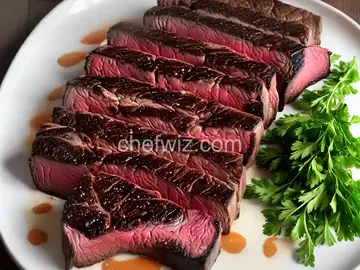
Slice the beef thinly against the grain and serve it with the jus.
Are you looking to impress your dinner guests with a mouthwatering roast that is tender, flavorful, and falls apart with each bite? Look no further than the I.C. Rump Roast. This cut of meat, when prepared using the art of slow cooking, can transform into a culinary masterpiece that will leave everyone craving for more.
Just like a symphony, the I.C. Rump Roast requires time, patience, and the right techniques to reach perfection. It's a cut of beef that comes from the hindquarters of the animal, making it naturally tougher. However, when cooked slowly and at a low temperature, the collagen in the meat breaks down, resulting in a tender and succulent roast.
When it comes to slow cooking, think of it as a gentle dance between heat and time. You want to create an environment that allows the flavors to meld together while tenderizing the meat. This can be achieved through methods such as braising or using a slow cooker.
Braising involves searing the roast on all sides to lock in the juices and then cooking it in a liquid, such as broth or wine, at a low temperature for an extended period. The liquid not only adds flavor but also keeps the meat moist throughout the cooking process. The result? A roast that is melt-in-your-mouth delicious.
If you're short on time or prefer a hands-off approach, the slow cooker is your best friend. Simply season the roast, place it in the slow cooker, add your choice of vegetables and liquid, set the temperature, and let it work its magic. Hours later, you'll be rewarded with a tender and flavorful I.C. Rump Roast without any fuss.
Seasoning your I.C. Rump Roast is crucial to enhance its natural flavors. The choice of seasoning depends on your personal preference and the overall flavor profile you want to achieve. Whether you prefer a classic blend of salt, pepper, and garlic or a more adventurous combination of herbs and spices, the key is to ensure an even distribution of flavor throughout the roast.
Once your I.C. Rump Roast is cooked to perfection, resist the temptation to dig in right away. Allowing the roast to rest for a few minutes before slicing allows the juices to redistribute, resulting in a more succulent and flavorful eating experience.
The I.C. Rump Roast is a cut of meat that can elevate any meal from ordinary to extraordinary. With the right techniques and a little patience, you can create a tender and flavorful roast that will have everyone asking for seconds. So, why not embark on a culinary adventure and try your hand at slow cooking an I.C. Rump Roast today?
While the I.C. Rump Roast is ideal for slow cooking, you can experiment with other cuts of beef as well. Just keep in mind that the cooking time and method may vary.
The cooking time can vary depending on the size of the roast and the cooking method. On average, it can take anywhere from 4 to 8 hours. The key is to cook it low and slow until it reaches the desired level of tenderness.
Absolutely! Adding vegetables like carrots, onions, and potatoes to the slow cooker not only infuses them with the flavors of the roast but also creates a complete one-pot meal.
One of the easiest ways to check if the roast is done is by using a meat thermometer. The internal temperature should reach around 145째F (63째C) for medium-rare and 160째F (71째C) for medium. Another indicator is when the meat easily falls apart with a fork.
Absolutely! The leftover I.C. Rump Roast is perfect for sandwiches. Thinly slice the meat, layer it on your favorite bread, and add some horseradish sauce or mustard for an extra kick.
Yes, you can freeze the cooked I.C. Rump Roast. Make sure to cool it completely, wrap it tightly in plastic wrap or aluminum foil, and place it in an airtight container or freezer bag. It can be stored in the freezer for up to 3 months.
The options are endless! Classic side dishes like roasted vegetables, mashed potatoes, or a fresh salad complement the flavors of the roast. Don't forget about a rich gravy to tie everything together.
Absolutely! The drippings from the I.C. Rump Roast are packed with flavor and make an excellent base for a savory sauce. Simply strain the drippings, skim off the fat, and reduce them on the stovetop until you achieve the desired consistency.
AprilCook, recipe developer and the heart of Chefwiz. More about April