Himalayan Salt Block Rib-Eye
Rate this recipeBe the first to rate
 By AprilPublished
 Salt is an essential ingredient in every kitchen, but have you ever considered taking your grilling experience to the next level with a Himalayan salt block?
 By AprilPublished
 Salt is an essential ingredient in every kitchen, but have you ever considered taking your grilling experience to the next level with a Himalayan salt block?
Preheat the grill to 250 degrees F.
Place a Himalayan salt block onto the grates and cover the grill.
After 20 minutes, increase the grill temperature to 325 degrees F.
After an additional 20 minutes, raise the grill temperature to 400 degrees F.
Meanwhile, bring the rib-eyes to room temperature.
Brush both sides of the rib-eyes with vegetable oil.
Season the rib-eyes with kosher salt and pepper on both sides.
Place the rib-eyes on the Himalayan salt block and cover.
Cook until the rib-eyes are golden and caramelized on the bottom and the internal temperature reaches 125 degrees F, which should take around 7 to 10 minutes.
Flip the rib-eyes, then place 1 tablespoon of butter on top of each and rest 1 sprig of rosemary on top of the butter.
Continue to cook, covered, until the internal temperature reaches 130 degrees F for medium rare, which should take another 3 to 4 minutes.
Remove the rib-eyes from the grill and transfer them to a cutting board. Allow them to rest for 5 minutes.
Remove the rosemary sprigs and finish with a sprinkle of flaky sea salt.
Salt is an essential ingredient in every kitchen, but have you ever considered taking your grilling experience to the next level with a Himalayan salt block? This unique cooking method not only enhances the flavor of your rib-eye steak but also provides a visual spectacle that will impress your guests. In this article, we will explore the art of grilling rib-eye steak on a Himalayan salt block and uncover the secrets to achieving the perfect sear and tender, juicy meat.
Before we dive into the grilling process, let's understand the science behind Himalayan salt blocks. These blocks, hand-carved from ancient salt deposits found in the Himalayan mountains, are rich in minerals and impart a subtle yet distinct flavor to the food cooked on them. The salt blocks are not only a cooking surface but also act as a natural seasoning and tenderizer for the meat.
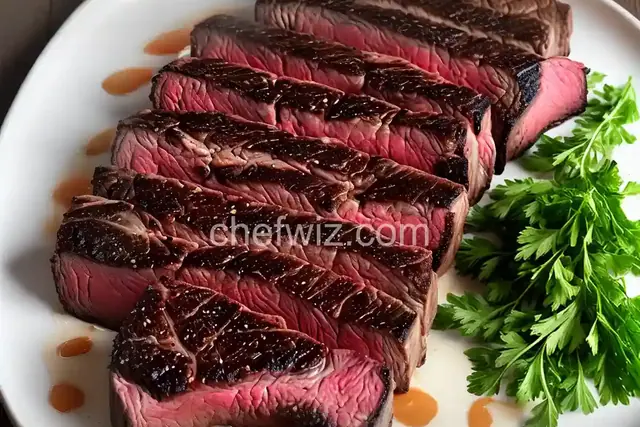
When it comes to grilling a rib-eye steak, achieving the perfect sear is crucial. The high heat of the salt block helps to create a beautiful caramelized crust on the outside of the steak while locking in the juices, resulting in a tender and flavorful piece of meat. The salt block acts as a natural heat conductor, evenly distributing the heat and allowing for a consistent cooking experience.
Before you start grilling, it's important to properly prepare your salt block. Place it on a grill or stovetop and gradually heat it up to a high temperature. This process is crucial for preventing the block from cracking due to rapid temperature changes. Once heated, allow the salt block to cool slightly before placing the rib-eye steak on it.
Now that you have your salt block prepared, it's time to grill your rib-eye steak. Begin by seasoning the steak with your favorite spices or a simple salt and pepper mixture. Then, place the steak directly onto the heated salt block. The sizzle and aroma that fill the air will undoubtedly ignite your taste buds.
For a perfect medium-rare rib-eye steak, aim for a cooking temperature of around 130°F (54°C). The exact cooking time will vary depending on the thickness of the steak and your desired level of doneness. As a general guideline, cook the steak for about 3-4 minutes on each side, flipping only once. This will ensure a beautiful sear while keeping the inside tender and juicy.
When it's time to flip the steak, use a pair of tongs to gently lift and turn it over. Be cautious not to press down on the steak, as this will release precious juices. The goal is to maintain the moisture and tenderness of the meat. Once you have achieved the desired level of doneness, remove the steak from the salt block and let it rest for a few minutes before serving.
To truly elevate the flavor of your rib-eye steak, consider adding a finishing touch. Brushing the steak with a small amount of melted butter or drizzling it with a balsamic reduction will enhance the richness and depth of flavor, complementing the subtle saltiness imparted by the salt block.
After grilling your delicious rib-eye steak, it's important to properly clean and maintain your Himalayan salt block. Allow it to cool completely before rinsing it with warm water. Avoid using soap or scrubbing vigorously, as this can degrade the surface of the block. Instead, gently scrub any residue with a soft brush or sponge. Pat the block dry and let it air dry completely before storing it.
Yes, Himalayan salt blocks are reusable. With proper care and maintenance, your salt block can last for many grilling sessions.
Yes, you can use a salt block on a gas grill. Just make sure to follow the same heating and cooking instructions as mentioned earlier.
Absolutely! Salt blocks are versatile and can be used to grill various types of meat, such as chicken, pork, or even seafood.
A properly heated salt block will sizzle when you place the meat on it. If there is no sizzle, it might not be hot enough.
No, there is no need to season the salt block before grilling. The natural saltiness of the block will infuse into the meat during the cooking process.
Yes, you can use a salt block in the oven. Preheat the oven to the desired temperature and place the salt block on a baking sheet before placing it in the oven.
Himalayan salt is known for its high mineral content, including potassium, magnesium, and calcium. Cooking on a salt block allows these minerals to infuse into the food, potentially providing some health benefits.
While it may look visually appealing, it is not recommended to serve food directly on the salt block. Instead, transfer the cooked meat onto a separate serving plate.
In conclusion, grilling a rib-eye steak on a Himalayan salt block adds a unique touch to your culinary repertoire. The combination of the natural saltiness, even heat distribution, and visually stunning sear creates a mouthwatering experience that will leave your taste buds craving more. So why not take your grilling game up a notch and embark on this flavorful adventure?
AprilCook, recipe developer and the heart of Chefwiz. More about April