How to Make Vinaigrette (Plus 3 Essential Variations!)
Rate this recipeBe the first to rate
 By AprilPublished
 Vinaigrette is a versatile dressing that can elevate any salad or dish.
 By AprilPublished
 Vinaigrette is a versatile dressing that can elevate any salad or dish.
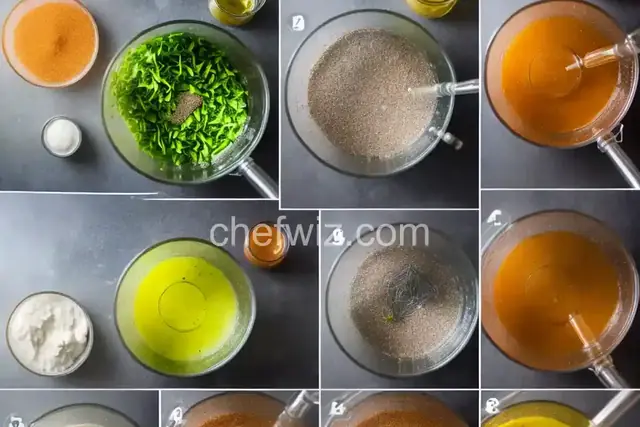
Combine all the ingredients in a liquid measuring cup or bowl.
Stir the mixture well using a small whisk or fork until all the ingredients are fully blended.
Taste the mixture and adjust the flavors as needed. If it is too acidic, add more olive oil. If it lacks flavor, add a pinch or two of salt. For more tanginess, add vinegar in small increments.
Serve immediately or refrigerate for later use. Homemade vinaigrette can be stored for 7 to 10 days.
If the vinaigrette solidifies in the refrigerator, allow it to come to room temperature for 5 to 10 minutes or microwave it briefly for about 20 seconds to liquefy the olive oil again.
Whisk the vinaigrette again to blend it before serving.
Vinaigrette is a versatile dressing that can elevate any salad or dish. Whether you're a seasoned chef or a novice in the kitchen, mastering the art of making vinaigrette is a must. In this article, we will guide you through the process of creating a delicious vinaigrette and provide you with three essential variations to experiment with.
At its core, vinaigrette is a simple emulsion of oil and vinegar. It serves as a flavor enhancer and brings a tangy acidity to your dishes. The key to a well-balanced vinaigrette lies in the ratio of oil to vinegar. A classic vinaigrette typically uses a 3:1 or 4:1 ratio, but feel free to adjust it according to your taste preferences.
When it comes to vinaigrette, using high-quality ingredients makes all the difference. Opt for a good quality extra virgin olive oil as the base of your vinaigrette. Its fruity and robust flavor will shine through. As for vinegar, options like balsamic, red wine, or apple cider vinegar add depth and complexity to the dressing.
Vinaigrette is incredibly versatile, allowing you to play with various flavors and add-ons. Consider incorporating ingredients like Dijon mustard, minced garlic, honey, or fresh herbs to elevate the taste profile. These additions can bring a whole new dimension to your vinaigrette and complement the ingredients in your salad or dish.
This variation adds a refreshing twist to your vinaigrette. Simply squeeze the juice of a fresh lemon into your base vinaigrette and add chopped herbs like basil, parsley, or dill. The citrusy tang of the lemon combined with the aromatic herbs creates a vibrant and zesty dressing that pairs well with summer salads.
For a touch of sweetness, try this variation that combines the richness of balsamic vinegar with the natural sweetness of maple syrup. The result is a well-balanced dressing with a hint of caramelized flavor. Drizzle it over roasted vegetables or use it as a marinade for grilled meats.
If you're looking to infuse an Asian flair into your vinaigrette, this variation is perfect for you. Combine soy sauce, rice vinegar, sesame oil, and a pinch of sugar for a tangy and savory dressing. It pairs exceptionally well with crunchy slaw, grilled chicken, or as a dipping sauce for spring rolls.
Vinaigrette is a versatile and easy-to-make dressing that can take your dishes to the next level. With the right ingredients and a little creativity, you can create a variety of vinaigrette variations to suit your taste and complement any meal. So, why settle for store-bought dressings when you can whip up your own delicious vinaigrette in no time?
While extra virgin olive oil is the most commonly used oil, you can experiment with other oils like avocado oil or walnut oil for different flavor profiles.
Homemade vinaigrette can last up to two weeks when stored in an airtight container in the refrigerator.
Yes, lemon juice can be a great substitute for vinegar in a vinaigrette, adding a bright and citrusy flavor.
While fresh herbs provide a more vibrant flavor, you can use dried herbs in your vinaigrette. Just remember to adjust the quantities accordingly, as dried herbs are more concentrated.
No, vinaigrette can be used as a marinade for meats, a dressing for roasted vegetables, or a sauce for grain bowls. Its versatility knows no bounds!
Absolutely! To make a creamy vinaigrette, simply whisk in a dollop of Greek yogurt or mayonnaise to your base vinaigrette.
Yes, you can scale up the recipe to make a larger batch of vinaigrette. Just make sure to store it in a clean, airtight container and give it a good shake before using.
Absolutely! Vinaigrette can be a delicious and tangy dip for raw vegetables, bread, or even chicken wings.
AprilCook, recipe developer and the heart of Chefwiz. More about April