Favorite Fried Eggs
Rate this recipeBe the first to rate
 By AprilPublished
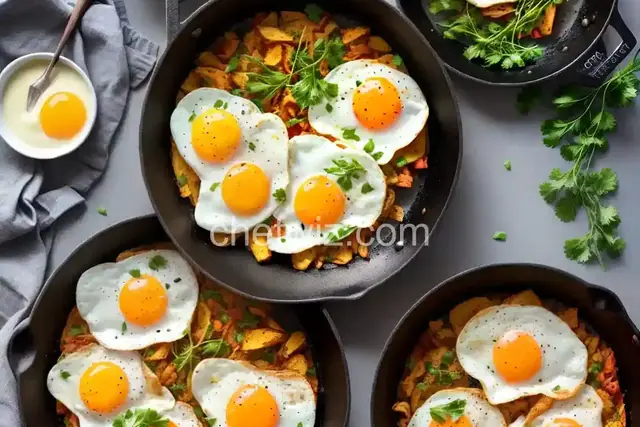
 When it comes to breakfast, fried eggs are a classic favorite.
 By AprilPublished
 When it comes to breakfast, fried eggs are a classic favorite.
To cook 1 egg, use a small skillet, preferably cast iron. For 2 eggs, use a medium-to-large skillet and 2 tablespoons of olive oil.
Crack an egg into a small bowl or ramekin and place it near the stove.
Warm the skillet over medium-high heat until it's hot enough that a drop of water sizzles rapidly on contact.
Reduce the heat to medium and add the olive oil to the pan. Gently tilt the pan to ensure the olive oil covers the base.
The olive oil should be warm enough to shimmer on the pan. If not, allow it more time to warm up.
Carefully pour the egg into the skillet, being cautious of hot oil splatters. If adding another egg, pour it onto the side to leave room for another.
Let the egg cook, occasionally tilting the pan to redistribute the oil, until the edges are crisp and golden and the yolk is cooked to your preference. This takes about 2 minutes for runny yolks or 2 ½ to 3 minutes for medium yolks. If adding another egg, do so while the first one is cooking.
Transfer the cooked egg(s) to a plate. If you want to cook more eggs in the same skillet, add another drizzle of olive oil and keep the heat at medium (you may need to lower it slightly to avoid smoking). Add the next egg and repeat as
When it comes to breakfast, fried eggs are a classic favorite. The simplicity and versatility of this dish make it a go-to option for many people. Whether you like them sunny-side up, over easy, or scrambled, fried eggs are a delicious and satisfying way to start your day. In this article, we will explore why fried eggs are so popular and share some tips for making the perfect batch. So, grab your skillet and let's get cracking!
One of the reasons fried eggs have stood the test of time is their simplicity. With just a few basic ingredients and a hot pan, you can create a flavorful and satisfying meal. Fried eggs are also incredibly versatile. You can enjoy them on their own, with a side of bacon or toast, or use them as a topping for burgers, sandwiches, or salads. The possibilities are endless!
Another reason fried eggs are so popular is their rich and creamy texture. When cooked just right, the yolk is runny and velvety, creating a luscious sauce that complements the firm and slightly crispy white. The combination of textures adds depth and complexity to the dish, making it a delight to eat.
The key to a great fried egg is starting with a good quality egg. Look for eggs that are free-range or organic for the best flavor and texture. Freshness is also important, so check the expiration date before purchasing.
For a perfectly fried egg, it's crucial to use the right pan and heat. A non-stick skillet or a well-seasoned cast-iron pan works best. Heat the pan over medium heat until hot, then add a small amount of oil or butter to prevent sticking.
The key to a runny yolk is not overcooking the egg. For a sunny-side up or over easy egg, cook it just until the white is set, but the yolk is still runny. If you prefer a firmer yolk, you can cook it a bit longer until it reaches your desired consistency.
Don't forget to season your fried eggs with salt and pepper to enhance the flavors. You can also get creative and add other seasonings like paprika, garlic powder, or herbs. And for an extra touch of deliciousness, consider garnishing your eggs with fresh herbs, grated cheese, or a sprinkle of hot sauce.
Fried eggs are a beloved breakfast dish for a reason. Their simplicity, versatility, and delightful textures make them a favorite among people of all ages. By following a few simple tips, you can create the perfect fried egg every time. So, next time you're in the mood for a delicious and satisfying breakfast, give fried eggs a try. You won't be disappointed!
Yes, you can use olive oil instead of butter for frying eggs. It adds a unique flavor and is a healthier alternative.
Absolutely! If you prefer your eggs sunny-side up or over easy, you don't need to flip them. Simply cook them until the white is set, and the yolk is still runny.
The cooking time will depend on how you like your eggs. For a sunny-side up or over easy egg, cook it for about 2-3 minutes. If you prefer a firmer yolk, cook it for 4-5 minutes or longer.
Absolutely! Adding vegetables like spinach, bell peppers, or mushrooms can add flavor and nutrients to your fried eggs. Just sauté them before adding the eggs to the pan.
Fried eggs are best enjoyed fresh and hot. While you can make them ahead of time and reheat them, the texture and taste may not be the same.
One large fried egg contains approximately 90 calories. The calorie count may vary slightly depending on the size of the egg and the cooking method.
It is not recommended to freeze fried eggs as the texture and taste may be affected. It's best to enjoy them fresh.
Yes, fried eggs are a good source of protein. One large egg contains around 6 grams of protein, making it a nutritious addition to your breakfast.
AprilCook, recipe developer and the heart of Chefwiz. More about April