How to Make Tahdig (Persian Crunchy Rice)
Rate this recipeBe the first to rate
 By AprilPublished
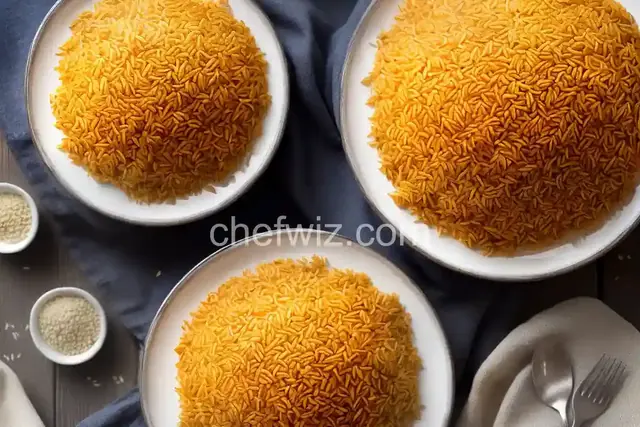
 Are you a fan of crispy, golden rice? If so, then you'll love Tahdig, a beloved Persian dish known for its crunchy and flavorful rice crust.
 By AprilPublished
 Are you a fan of crispy, golden rice? If so, then you'll love Tahdig, a beloved Persian dish known for its crunchy and flavorful rice crust.
To begin, place the rice in a large bowl and cover it with cold water. Swirl the rice around with your hand until the water becomes cloudy. Pour off the cloudy water through a fine-mesh strainer to catch any rice, then return the rice to the bowl and refill with fresh cold water. Repeat this process until the water runs clear, about 5 or 6 times. Drain the washed rice well in a colander.
Next, return the drained rice to the large bowl and add 3 tablespoons of salt. Add enough cold tap water to cover the rice by 1 inch and stir gently to dissolve the salt. Let the rice stand at room temperature for 2 hours, then drain in a small-hole colander.
In a large nonstick pot or enameled Dutch oven, bring 2 quarts of water to a rolling boil over high heat. Add 3 tablespoons of salt. Add the drained rice and stir gently to ensure there are no clumps or rice stuck to the bottom of the pot. Return to a vigorous boil and cook until the rice has grown 1.5 to 2 times in length and the outside of each grain is cooked but not mushy, and the center of the grain shows some resistance, about 5 to 8 minutes. Immediately remove from heat and drain through a small-hole colander.
Rinse the rice well with cold water for about 30 seconds to stop the cooking and wash off any excess starch. Taste
Are you a fan of crispy, golden rice? If so, then you'll love Tahdig, a beloved Persian dish known for its crunchy and flavorful rice crust. In this article, we'll take a closer look at how to make this mouthwatering delicacy step by step. But first, let's understand what Tahdig is all about.
Tahdig, which translates to "bottom of the pot" in Persian, refers to the crispy rice crust that forms at the bottom of the pot during the cooking process. It is a staple in Persian cuisine and is often served as a side dish or as the star of the meal. The crunchy texture and rich flavors make Tahdig irresistible to food enthusiasts around the world.
Making Tahdig is like creating a culinary masterpiece. It requires precision, patience, and a bit of practice. The key to achieving the perfect Tahdig lies in the right combination of ingredients, cooking technique, and timing. Let's dive into the process:
The foundation of a good Tahdig is high-quality rice. Opt for a long-grain variety like Basmati or Jasmine for the best results. Rinse the rice thoroughly to remove excess starch before cooking.
Parboiling the rice is a crucial step in achieving the desired texture and consistency. Cook the rice in boiling water until it's partially cooked, but still firm. Drain the rice and set it aside.
The choice of pot is vital for creating the perfect Tahdig. A heavy-bottomed non-stick pot or a traditional Persian rice cooker works best. Coat the bottom of the pot with oil or butter to prevent the rice from sticking and to promote the formation of the crispy crust.
Now it's time to layer the partially cooked rice in the pot. Create alternating layers of rice and a mixture of yogurt, saffron, and butter. This combination adds a delightful tanginess and aroma to the final dish.
Cover the pot with a tightly fitting lid and cook the rice over low heat. This slow cooking process allows the rice to steam and develop the crunchy crust. The longer you cook, the crispier the Tahdig will be. Be patient and resist the temptation to peek!
Once the rice is cooked to perfection, it's time to unveil the glorious Tahdig. Gently flip the pot onto a serving platter, allowing the crust to come out intact. The golden, crispy rice will be revealed, ready to be enjoyed alongside your favorite Persian dishes.
A1: While non-stick pots are ideal for making Tahdig, you can still achieve good results with a regular pot. Just make sure to coat the bottom with enough oil or butter to prevent sticking.
A2: Absolutely! You can skip the yogurt and use vegetable oil or vegan butter instead. The result will be a delicious, crispy rice crust that is entirely plant-based.
A3: Certainly! While traditional Tahdig is made with rice, yogurt, saffron, and butter, you can experiment with additional ingredients like herbs, spices, or even dried fruits to add your own twist.
A4: To avoid burning, make sure to cook the rice over low heat and keep a close eye on it. You can also place a thin layer of sliced potatoes or lavash bread at the bottom of the pot as a protective barrier.
A5: While Tahdig is best enjoyed fresh and crispy, you can reheat leftovers in the oven to regain some of its crunchiness. Place it on a baking sheet and bake at a low temperature until warmed through.
A6: Yes, you can! Many modern rice cookers have a specific setting for making Tahdig. Follow the manufacturer's instructions and adjust the cooking time accordingly.
A7: Yes, Tahdig is naturally gluten-free as it is made primarily with rice and other gluten-free ingredients. However, always check the labels of any additional ingredients you choose to use.
A8: Unfortunately, freezing Tahdig is not recommended as it can alter the texture and crispiness of the rice crust. It's best to enjoy it fresh or refrigerate leftovers for a day or two.
In conclusion, making Tahdig is an art that requires patience and practice. With the right technique and a few key ingredients, you can create a mouthwatering dish that will impress your family and friends. So, why not give it a try and experience the delight of Persian crunchy rice?
AprilCook, recipe developer and the heart of Chefwiz. More about April