Classic Cold Soba Recipe
Rate this recipeBe the first to rate
 By AprilPublished
 Are you tired of the same old meals during the scorching summer months?
 By AprilPublished
 Are you tired of the same old meals during the scorching summer months?
In a medium heat, bring dashi, soy sauce, mirin, and sugar to a gentle boil. Let it cool.
Prepare 4 serving plates. Place a small amount of wasabi, grated daikon, and scallions on each plate.
In a separate pot, bring water to a boil. Add soba noodles and cook until tender but firm, about 3 to 5 minutes. Prepare a bowl of ice water.
Use a strainer to remove the cooked soba noodles from the pot. Place them in the ice water to chill. Drain the noodles.
Divide the chilled noodles evenly among the four plates, forming mounds. Serve with individual bowls of the dipping sauce.
To enjoy, mix some daikon, wasabi, and green onion into the dipping sauce. Use chopsticks to pick up some noodles and dip them into the sauce.
Are you tired of the same old meals during the scorching summer months? Look no further! I have the perfect recipe for you - a classic cold soba dish that will leave you feeling refreshed and satisfied. In this article, I will guide you through the steps of making this delicious and healthy meal, while also sharing some interesting facts and tips along the way. So, let's dive in and discover the wonders of cold soba!
Soba, a traditional Japanese noodle made from buckwheat flour, has been enjoyed for centuries. It is not only a staple in Japanese cuisine but also a popular dish worldwide. The noodles are thin, light, and have a slightly nutty flavor that pairs perfectly with a cold dipping sauce. Soba is not only delicious but also packed with nutrients, making it a great choice for those looking for a healthy meal option.
Cooking cold soba is a simple yet delicate process. First, you need to cook the soba noodles in boiling water until they are tender but still firm to the bite. Once cooked, rinse them under cold water to remove any excess starch and stop the cooking process. This step is crucial to ensure that the noodles remain firm and chewy.
The dipping sauce, also known as tsuyu, is a vital component of cold soba. It adds a burst of flavor to the dish and complements the nuttiness of the noodles. The traditional tsuyu is made from a combination of soy sauce, mirin, and dashi broth. However, you can also experiment with different ingredients to customize the sauce according to your taste preferences.
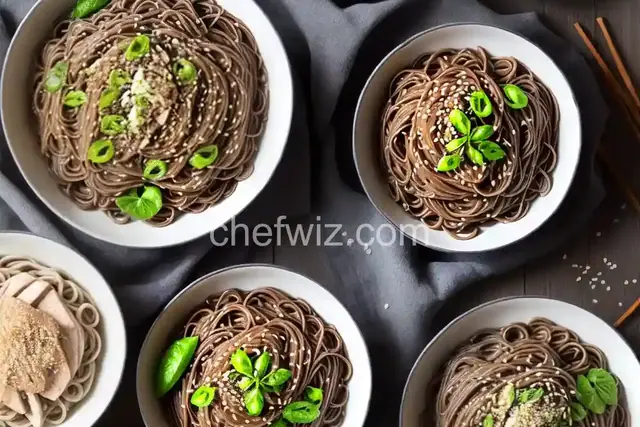
While the classic cold soba is delicious on its own, you can unleash your creativity and add various toppings to enhance the flavors and textures. Think of thinly sliced green onions, grated daikon radish, or even a sprinkle of sesame seeds. These simple additions can elevate the dish and make it even more visually appealing.
In conclusion, a classic cold soba recipe is a perfect choice for a refreshing summer meal. It's easy to prepare, healthy, and versatile. The delicate buckwheat noodles, paired with a flavorful dipping sauce, create a harmonious blend of flavors. So, why not give it a try and experience the wonders of cold soba for yourself?
While buckwheat flour is the traditional choice, you can substitute it with regular wheat flour if needed. However, keep in mind that the flavor and texture will differ.
Absolutely! In fact, making the dipping sauce in advance allows the flavors to meld together, resulting in a more delicious experience.
Unfortunately, soba noodles are not entirely gluten-free. They are typically made from a blend of buckwheat flour and wheat flour. However, you can find gluten-free soba noodles made solely from buckwheat flour in some specialty stores.
Yes, you can! Cold soba can be enjoyed as a light and refreshing main course, especially during the hot summer months. You can add protein such as grilled chicken or tofu to make it a more substantial meal.
Cooked soba noodles can be stored in an airtight container in the refrigerator for up to three days. However, it's best to consume them as soon as possible for the best taste and texture.
Cold soba is meant to be enjoyed chilled. Reheating the noodles can result in a loss of texture and flavor. It's best to consume them cold or at room temperature.
Freezing cooked soba noodles is not recommended, as it can affect the texture and quality of the noodles. It's best to cook them fresh whenever possible.
Yes, soba noodles are relatively low in calories compared to other types of noodles. They are a healthier alternative and can be enjoyed as part of a balanced diet.
Absolutely! The leftover dipping sauce can be used as a marinade or a flavor enhancer for other dishes, such as stir-fries or grilled meats. It's a versatile sauce that adds a unique touch to various recipes.
And there you have it - a classic cold soba recipe that will leave you feeling satisfied and refreshed. So, why not give it a try and enjoy a taste of Japan in the comfort of your own home? Happy cooking!
AprilCook, recipe developer and the heart of Chefwiz. More about April