How To Cook Black-Eyed Peas
Rate this recipeBe the first to rate
 By AprilPublished
 Black-eyed peas, also known as cowpeas, are a versatile and nutritious legume that can be enjoyed in a variety of dishes.
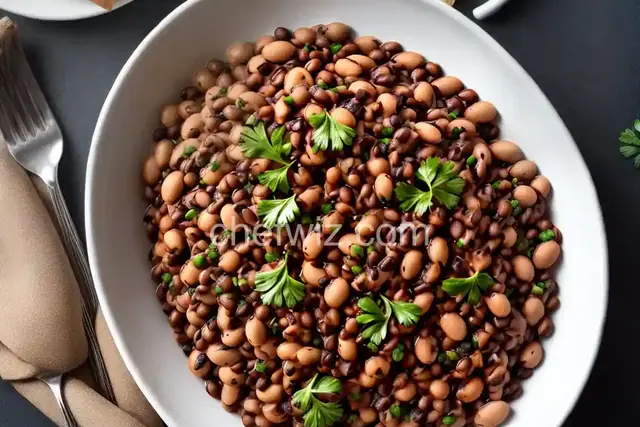 By AprilPublished
 Black-eyed peas, also known as cowpeas, are a versatile and nutritious legume that can be enjoyed in a variety of dishes.
Place the beans in a large bowl and ensure they are covered with water by at least 4 inches. Allow them to soak for a minimum of 6 hours or overnight, keeping the bowl covered.
Drain the beans and rinse them thoroughly with cold water.
In a large pot, combine the beans and chicken broth over medium heat.
Bring the mixture to a boil, then reduce the heat and cover the pot. Allow the beans to simmer for approximately 45 minutes, or until they become tender. If needed, add more broth during this process.
After the beans have reached the desired tenderness, stir in the spinach and continue simmering for an additional 5 minutes.
Finally, season the dish with salt and pepper to taste.
Black-eyed peas, also known as cowpeas, are a versatile and nutritious legume that can be enjoyed in a variety of dishes. Whether you want to whip up a comforting stew, a zesty salad, or a flavorful curry, black-eyed peas are a fantastic addition to your culinary repertoire. In this article, we will explore the different cooking methods and share some tips and tricks to help you master the art of cooking black-eyed peas.
Before diving into the cooking process, it's important to prepare your black-eyed peas properly. Start by sorting through the peas to remove any debris or damaged beans. Rinse them thoroughly under cold water to get rid of any dirt or impurities. One popular method to enhance the texture and reduce cooking time is soaking the peas overnight. Simply place them in a bowl, cover them with water, and let them soak for 8 to 12 hours. This step helps soften the peas and can also aid in digestion.
The stovetop method is a classic way to cook black-eyed peas. After soaking, drain the peas and transfer them to a large pot. Add enough water or broth to cover the peas by about an inch. Bring the liquid to a boil over high heat and then reduce it to a simmer. Allow the peas to cook for about 45 minutes to an hour, or until they are tender but not mushy. Remember to skim off any foam or impurities that rise to the surface during cooking.
If you're short on time and want to speed up the cooking process, a pressure cooker is your best friend. After soaking the peas, drain them and transfer them to the pressure cooker. Add enough liquid to cover the peas and lock the lid in place. Cook the peas on high pressure for about 10 to 15 minutes. Once the cooking time is up, release the pressure according to the manufacturer's instructions. Voila! Your black-eyed peas will be perfectly tender and ready to be enjoyed.
While black-eyed peas have a delicious nutty flavor on their own, you can enhance their taste by adding various seasonings and ingredients. For a Southern twist, consider adding smoked ham hock, bacon, or sausage to infuse the dish with rich and savory flavors. You can also add onions, garlic, bell peppers, and spices like cumin, paprika, or chili powder to create a vibrant and aromatic base.
Black-eyed peas can be served as a standalone dish or incorporated into various recipes. They are a staple ingredient in Hoppin' John, a traditional Southern New Year's Day dish believed to bring good luck and prosperity. You can also toss them into salads, stir-fries, or soups for an extra dose of protein and fiber. Their creamy texture and mild taste make them a versatile addition to any meal.
While soaking black-eyed peas can help reduce the cooking time, you can still cook them without soaking. Just be prepared for a longer cooking process, usually around 1 to 2 hours on the stovetop.
Absolutely! Cooked black-eyed peas freeze well and can be stored for up to 3 months. Make sure to cool them completely before transferring them to airtight containers or freezer bags.
Yes, black-eyed peas are naturally gluten-free, making them a great choice for individuals with gluten sensitivities or celiac disease.
While black-eyed peas have a unique flavor and texture, you can substitute them with other beans like navy beans, pinto beans, or kidney beans in most recipes.
Keep uncooked black-eyed peas in a cool, dry place, away from direct sunlight. Store them in airtight containers or sealed bags to maintain their freshness.
Yes, canned black-eyed peas are a convenient option if you're short on time. Just make sure to rinse them thoroughly before using to reduce the sodium content and remove any tinny taste.
Yes, black-eyed peas can be sprouted, which not only enhances their nutritional value but also adds a delightful crunch to salads and sandwiches. Soak the peas overnight, drain them, and rinse thoroughly. Place them in a sprouting jar or a sieve covered with a damp cloth. Rinse and drain the peas twice a day until sprouts start to form.
Absolutely! Black-eyed peas are an excellent source of plant-based protein, dietary fiber, and essential vitamins and minerals. They promote heart health, aid in digestion, and provide energy for your body.
In conclusion, black-eyed peas are a versatile and nutritious legume that can be cooked in various ways. Whether you choose to cook them on the stovetop or use a pressure cooker, the result will be tender and flavorful peas that can be enjoyed in a range of dishes. So, don't hesitate to incorporate black-eyed peas into your cooking repertoire and explore the endless possibilities they offer.
AprilCook, recipe developer and the heart of Chefwiz. More about April