How To Build a Perfect Charcuterie Board
Rate this recipeBe the first to rate
 By AprilPublished
 Are you looking to impress your guests with a visually stunning and delicious appetizer?
 By AprilPublished
 Are you looking to impress your guests with a visually stunning and delicious appetizer?
Place each type of meat on different sections of a large serving board.
Fold and shape the meat slices in various ways to make them visually interesting and easy to grab. For rosettes, fold the meat pieces in half and roll them up like cigars. Pinch the cured ham into little mounds or arrange it in swirls. Roll or fold salamis into quarters and stretch them across a section of the board.
Add spreads to the board, either by mounding them directly on the board or placing them in small containers or on plates with a broad knife for spreading.
Divide the cheeses among the sections, pairing them with meats and spreads to create contrasting flavors and textures. Experiment with different combinations. For example, pair creamy burrata or Brie with salty-sweet prosciutto, match a firm or hard cheese like asiago with a soft, mild mortadella, or place a mild buttery fontina with a spicy salami to balance the flavors.
Break the hard cheese into large shards, cut wedges from a full wheel, and slice bigger blocks into easy-to-grab pieces to encourage noshing.
Pour honey into a small glass jar or bowl, sprinkle in a pinch of crushed red pepper flakes, and place it among the meats and cheeses with a small serving spoon. Put the quince paste on a small plate or cutting board, and place the fig jam in a small bowl among the meats.
Are you looking to impress your guests with a visually stunning and delicious appetizer? Look no further than a charcuterie board! This elegant and versatile spread is a feast for the eyes and the taste buds. But how do you create a perfect charcuterie board that will have everyone talking? Let's dive in and discover the art of building a charcuterie board that will wow your guests.
Every masterpiece needs a strong foundation, and a charcuterie board is no exception. Choose a large wooden board, marble slab, or even a slate tile as the canvas for your creation. The rustic and natural textures of these materials will complement the earthy tones of the ingredients.
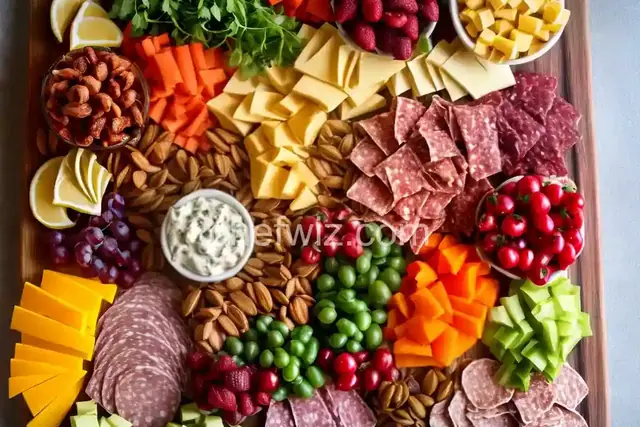
Charcuterie boards are all about the meaty goodness. Opt for a selection of cured meats like prosciutto, salami, or chorizo. The contrasting flavors and textures of these meats will add depth and interest to your board.
No charcuterie board is complete without an assortment of cheeses. Choose a mix of soft, semi-soft, and hard cheeses to cater to different palates. From creamy brie to tangy blue cheese, the options are endless.
Adding a crunchy element to your charcuterie board will provide a satisfying contrast to the soft cheeses and meats. Consider including a variety of crackers, breadsticks, or even some toasted baguette slices.
Enhance the flavors of your charcuterie board with some delicious accompaniments. Olives, pickles, and marinated vegetables add a briny and tangy note, while honey or fig jam can provide a touch of sweetness.
Adding fresh fruits to your charcuterie board not only adds color but also balances the richness of the meats and cheeses. Grapes, berries, and sliced apples are excellent choices that will bring a refreshing element to the spread.
Don't be afraid to get creative with the garnishes. Fresh herbs like basil or rosemary can add a pop of color and fragrance. Edible flowers, such as nasturtiums or pansies, can elevate the visual appeal of the board.
The way you arrange the ingredients on your charcuterie board can make all the difference. Start by placing the larger items like the cheeses and meats first, then fill in the gaps with the smaller items. The goal is to create a visually appealing and balanced composition.
For the best flavor experience, make sure to serve your charcuterie board at the right temperature. Cheeses should be served at room temperature, while cured meats can be enjoyed slightly chilled. This will ensure that the flavors are at their peak.
A charcuterie board is meant to be explored and enjoyed at a leisurely pace. Encourage your guests to experiment with different combinations of meats, cheeses, and accompaniments. It's a culinary adventure that will leave them wanting more.
Building a perfect charcuterie board is an art form that combines flavors, textures, and visual appeal. With a solid foundation, a variety of meats and cheeses, complementary accompaniments, and a creative arrangement, you can create a masterpiece that will be the highlight of any gathering.
Wooden boards, marble slabs, or slate tiles are popular choices for creating a charcuterie board.
Absolutely! Pre-sliced meats and cheeses are convenient options that can save you time and effort.
You can prepare a charcuterie board a few hours in advance, but it's best to add the fresh fruits and garnishes just before serving.
Of course! You can create a vegetarian charcuterie board using a variety of plant-based proteins, cheeses, and accompaniments.
Store leftover meats and cheeses in airtight containers in the refrigerator. Fruits, pickles, and other accompaniments should also be stored separately.
Absolutely! You can tailor the ingredients on the board to accommodate dietary restrictions or preferences.
The size of the charcuterie board and the appetite of your guests will determine how many people it can serve. It's best to estimate about 2-3 ounces of meat and cheese per person.
Yes! Feel free to get creative and add additional items like nuts, pâté, or even chocolate for a touch of indulgence.
AprilCook, recipe developer and the heart of Chefwiz. More about April