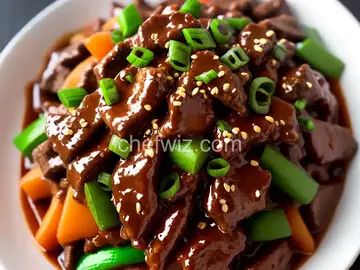
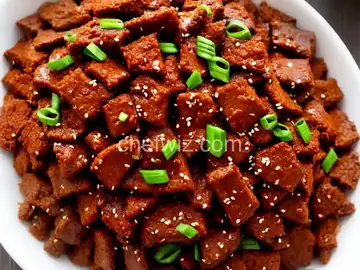
Hong Kong Sweet and Sour Pork
Rate this recipeBe the first to rate
 By AprilPublished
 When it comes to Chinese cuisine, one dish that stands out is Hong Kong Sweet and Sour Pork.
 By AprilPublished
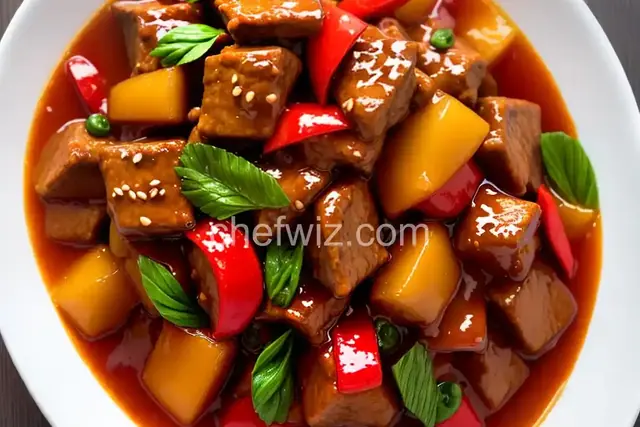
 When it comes to Chinese cuisine, one dish that stands out is Hong Kong Sweet and Sour Pork.
In a large bowl, combine soy sauce, sugar, 2 teaspoons of potato starch, sesame oil, and black pepper. Whisk until well mixed.
Add the pork to the marinade and toss until all the pork is coated. Let it rest for 15 minutes.
In a separate bowl, whisk together water, vinegar, ketchup, 1/4 cup sugar, salt, 2 teaspoons of potato starch, and red food coloring to make the sauce. Set it aside.
Dip the pork pieces in beaten egg, then coat them with 1 cup of potato starch. Press the starch onto the pork to ensure an even coating.
In a wok, heat peanut oil over medium-high heat until it reaches a temperature of 375 degrees F (190 degrees C).
Fry the pork pieces in the hot oil until they turn crisp and light brown, which should take around 4 to 5 minutes. Remove the pork from the oil and let it drain. Keep the oil hot. Return the drained pork to the hot oil for an additional 30 seconds. Remove and drain again. Pour off all but 1 tablespoon of oil from the wok.
Heat 1 tablespoon of the reserved oil in the wok over medium heat. Add the green bell pepper, cayenne pepper, pineapple, garlic, and green onion. Cook for about 5 minutes.
Add the sauce to the wok and stir until it thickens. Add the pork and toss until the pork is
When it comes to Chinese cuisine, one dish that stands out is Hong Kong Sweet and Sour Pork. This iconic dish is a perfect balance of flavors, combining the sweetness of pineapple with the tanginess of vinegar and ketchup. The succulent pieces of pork, coated in a crispy batter and smothered in the sticky sauce, create a mouthwatering experience that is hard to resist.
Like many other Chinese dishes, the origins of Sweet and Sour Pork can be traced back hundreds of years. It is believed to have originated in the Guangdong province of China, where the Cantonese style of cooking is prominent. However, it was in Hong Kong where the dish gained popularity and became a staple in Cantonese cuisine.
What sets Hong Kong Sweet and Sour Pork apart is its perfect balance of flavors. The combination of sweet and sour creates a delightful contrast that tickles the taste buds. The sweetness comes from the use of pineapple, which adds a natural sweetness to the dish. The sourness, on the other hand, is achieved through the use of vinegar and ketchup. The result is a harmonious blend that tantalizes the senses.
Another defining characteristic of Hong Kong Sweet and Sour Pork is its texture. The pieces of pork are first coated in a light batter and deep-fried until crispy. This creates a satisfying crunch that contrasts with the tender and juicy meat inside. The combination of textures adds depth to the dish and makes it a delight to eat.
Hong Kong Sweet and Sour Pork is a classic Chinese dish that combines the perfect balance of sweet and sour flavors. Its crispy texture and succulent pork make it a favorite among many. Whether you're enjoying it at a restaurant or making it at home, this iconic dish is sure to satisfy your taste buds and leave you craving for more.
While Sweet and Sour Pork is delicious, it is not considered the healthiest option. The deep-frying process adds extra calories, and the sauce can be high in sugar. However, moderation is key, and enjoying it occasionally as part of a balanced diet is perfectly fine.
Absolutely! While pork is traditionally used in Sweet and Sour Pork, you can experiment with other meats such as chicken or shrimp. The sauce pairs well with different proteins, so feel free to get creative in the kitchen.
Yes, you can! Substitute the meat with tofu or seitan to create a vegetarian version of this classic dish. The sauce will still provide the same tangy and sweet flavors that make Sweet and Sour Pork so popular.
To achieve a crispy batter, make sure the oil is hot enough before frying. You can also add some cornstarch to the batter, as it helps create a light and crispy texture. Additionally, make sure to drain the fried pork on a paper towel to remove excess oil.
If you prefer a less sweet sauce, you can reduce the amount of sugar or use a sugar substitute. You can also adjust the amount of vinegar and ketchup to achieve a balance that suits your taste buds.
Absolutely! Adding vegetables such as bell peppers, onions, and carrots can enhance the flavor and add a pop of color to the dish. Simply stir-fry the vegetables before adding the sauce and meat.
The traditional recipe for Sweet and Sour Pork contains ingredients that are not gluten-free, such as soy sauce and wheat-based flour. However, you can easily make it gluten-free by using gluten-free soy sauce and a gluten-free flour alternative for the batter.
While Sweet and Sour Pork is best enjoyed fresh, you can make the sauce and batter ahead of time and store them separately. When you're ready to serve, simply fry the pork and coat it in the sauce for a quick and delicious meal.
Chinese cuisine is rich and diverse, with many dishes to explore. Some other popular Chinese dishes include Kung Pao Chicken, General Tso's Chicken, Mongolian Beef, and Mapo Tofu. Each dish has its own unique flavors and ingredients, making Chinese cuisine a true delight for food lovers.
AprilCook, recipe developer and the heart of Chefwiz. More about April