Mongolian Beef I
Rate this recipeBe the first to rate
 By AprilPublished
 Are you a fan of Asian cuisine? Do you crave for a dish that combines tender beef with a savory sauce?
 By AprilPublished
 Are you a fan of Asian cuisine? Do you crave for a dish that combines tender beef with a savory sauce?
Place sesame seeds in a dry skillet over medium heat. Toast them for 1 to 2 minutes until they turn golden brown. Set aside.
In a medium bowl, combine 1 tablespoon of soy sauce, 1 tablespoon of cornstarch, and minced garlic. Add beef strips to the mixture and let it sit for at least 10 minutes.
In a separate small bowl, mix together water, 2 tablespoons of soy sauce, 2 1/2 teaspoons of cornstarch, sugar, toasted sesame seeds, and red pepper flakes. Set this mixture aside.
Heat 1 tablespoon of oil in a wok or skillet over high heat. Cook and stir the marinated beef in the hot oil for 1 minute. Remove the beef from the pan and set it aside.
Heat the remaining tablespoon of oil in the same pan. Saute the carrots and the white part of the green onions for 2 minutes.
Stir in the green parts of the green onions and saute for an additional 1 minute.
Add the sesame seed mixture and the cooked beef to the pan. Cook and stir until the sauce boils and thickens.
Are you a fan of Asian cuisine? Do you crave for a dish that combines tender beef with a savory sauce? Look no further than Mongolian Beef! This popular dish is not only delicious and flavorful, but it is also easy to make at home. In this article, we will explore the origins of Mongolian Beef, its key ingredients, and how you can recreate this mouthwatering dish in your own kitchen.
Contrary to popular belief, Mongolian Beef did not actually originate in Mongolia. In fact, it is believed that the dish was created by Chinese immigrants in the United States. The name "Mongolian Beef" is said to have been chosen to give the dish an exotic and intriguing appeal.
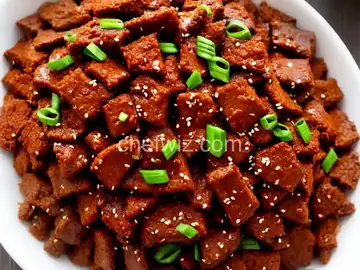
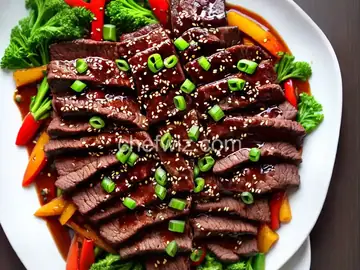
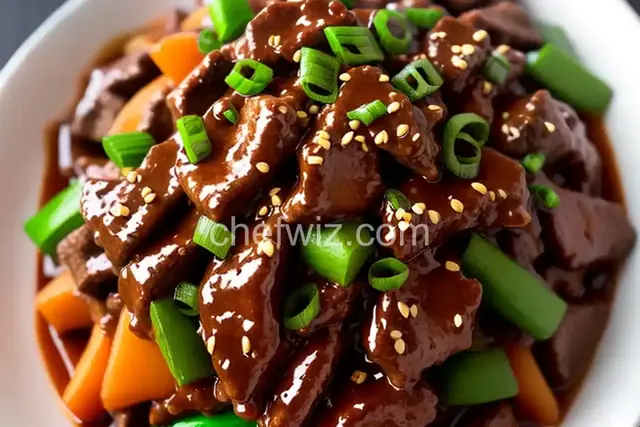
One of the standout features of Mongolian Beef is its simplicity. The dish primarily consists of thinly sliced beef, green onions, and a rich, flavorful sauce. The beef is usually marinated to enhance its tenderness, and then stir-fried with the sauce and green onions. The result is a dish that is both sweet and savory, with a hint of spice.
The choice of beef is crucial in creating a delicious Mongolian Beef. It is recommended to use flank steak or sirloin, as these cuts are known for their tenderness. The beef is typically sliced against the grain to ensure that it remains tender even after cooking.
The sauce is what gives Mongolian Beef its distinct flavor. The sauce is usually made with a combination of soy sauce, hoisin sauce, brown sugar, garlic, and ginger. This combination of ingredients creates a perfect balance of sweet and savory flavors, with a touch of umami.
Now that you know the key ingredients, let's explore how you can recreate this delicious dish in your own kitchen. Follow these simple steps to enjoy homemade Mongolian Beef:
With just a few simple steps, you can elevate your home cooking and create a restaurant-quality dish. Mongolian Beef is perfect for a quick weeknight dinner or a special occasion.
Mongolian Beef is a delectable dish that combines tender beef with a savory sauce. Its simplicity and bold flavors make it a favorite among Asian cuisine lovers. By following a few simple steps, you can recreate this mouthwatering dish in the comfort of your own kitchen. Whether you are cooking for yourself or entertaining guests, Mongolian Beef is sure to impress. So why not give it a try and experience the deliciousness of Mongolian Beef today?
While flank steak or sirloin are the recommended cuts of beef for Mongolian Beef, you can experiment with other cuts as well. Just make sure to choose a cut of beef that is tender and suitable for stir-frying.
Traditionally, Mongolian Beef is not spicy. However, if you prefer some heat, you can add a pinch of red pepper flakes or a drizzle of chili oil to the sauce.
Absolutely! You can substitute the beef with tofu or seitan for a vegetarian version of Mongolian Beef. Just make sure to adjust the cooking time accordingly, as tofu and seitan require less time to cook compared to beef.
Mongolian Beef is best enjoyed fresh, as the beef tends to lose its tenderness when reheated. However, you can prepare the sauce and marinate the beef ahead of time to save time on the day of cooking.
Yes, you can freeze Mongolian Beef. Allow the dish to cool completely and then transfer it to an airtight container or freezer bags. When you are ready to enjoy it, simply thaw it in the refrigerator overnight and reheat it in a skillet or microwave.
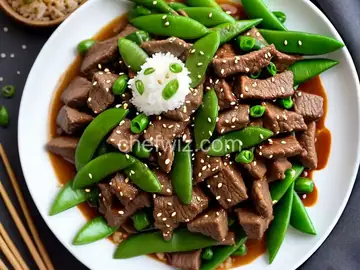
Absolutely! Mongolian Beef pairs well with a variety of vegetables such as bell peppers, broccoli, and snap peas. Simply stir-fry the vegetables along with the beef and sauce for a tasty and nutritious meal.
Yes, you can easily double or even triple the recipe to serve a larger crowd. Just make sure to adjust the cooking time and the size of your skillet or wok accordingly.
Yes, you can make Mongolian Beef gluten-free by using tamari or gluten-free soy sauce instead of regular soy sauce. Make sure to check the labels of the other ingredients to ensure they are also gluten-free.
AprilCook, recipe developer and the heart of Chefwiz. More about April