Homesteader Cornbread
Rate this recipeBe the first to rate
 By AprilPublished
 Who doesn't love the warm, comforting aroma of freshly baked cornbread?
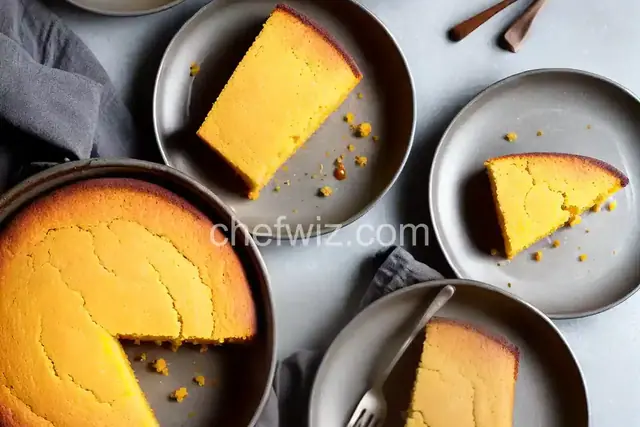 By AprilPublished
 Who doesn't love the warm, comforting aroma of freshly baked cornbread?
Preheat the oven to 400 degrees F (200 degrees C).
In a small bowl, mix together cornmeal and milk and let it sit for 5 minutes.
Grease a 9x13 inch baking pan.
In a large bowl, whisk together flour, baking powder, salt, and sugar.
Add the cornmeal mixture, eggs, and oil to the large bowl and mix until the batter is smooth.
Pour the batter into the prepared pan.
Bake in the preheated oven for 30 to 35 minutes or until a knife inserted into the center of the cornbread comes out clean.
Who doesn't love the warm, comforting aroma of freshly baked cornbread? It's a timeless classic that brings back memories of cozy family dinners and home-cooked meals. In this article, we'll explore the history of cornbread, its significance in homesteading, and some tips for making the perfect batch. So grab a cup of coffee and get ready to indulge in the world of homesteader cornbread!
Cornbread has a long and storied history, dating back to Native American tribes who first cultivated corn. They discovered that by grinding dried corn kernels into a fine powder, they could create a versatile and nutritious staple. This cornmeal became the foundation for cornbread, which was baked over open fires or in primitive ovens.
As settlers moved across America, cornbread became a vital part of their diet. It was easy to make, requiring only a few ingredients that were readily available, such as cornmeal, salt, and water. It quickly became a symbol of survival and self-sufficiency, making it a perfect fit for homesteaders.
Homesteading is all about living off the land and being self-reliant. It's about embracing a simpler way of life and connecting with nature. Cornbread embodies these values perfectly. It can be made with homegrown corn and milled into fresh cornmeal, reflecting the essence of homesteading.
Furthermore, cornbread is a versatile food that can be enjoyed in various ways. It can be served as a side dish, paired with chili or soup, or even used as a base for stuffing. Its adaptability and simplicity make it a go-to recipe for homesteaders, who often have limited resources and need to make the most of what they have.
Now that we understand the significance of cornbread in homesteading, let's dive into some tips for making the perfect batch:
The type of cornmeal you use can greatly affect the texture and flavor of your cornbread. Stone-ground cornmeal, which is coarser and less processed, will give your bread a rustic and hearty texture. Experiment with different varieties to find the one that suits your taste.
Adding ingredients like buttermilk, yogurt, or sour cream can add moisture to your cornbread, keeping it from drying out. These ingredients also add a tangy flavor that complements the sweetness of the cornmeal.
When combining the wet and dry ingredients, be careful not to overmix. Overmixing can lead to a dense and tough texture. Mix until the ingredients are just combined, and then stop.
While traditional cornbread is delicious on its own, don't be afraid to experiment with add-ins like cheese, jalapenos, or herbs. These additions can take your cornbread to the next level and add a unique twist.
To achieve a crispy and golden crust, preheat your cast-iron skillet or baking dish before pouring in the batter. This step ensures that the bottom of the cornbread cooks evenly and develops a delightful crunch.
Cornbread holds a special place in the hearts of homesteaders and food lovers alike. Its simplicity, versatility, and connection to the land make it a true homesteader's delight. Whether you're baking it over a campfire or in a modern-day oven, the aroma and taste of homemade cornbread will always bring a sense of comfort and nostalgia.
Homesteader cornbread is a timeless recipe that embodies the spirit of self-sufficiency and simplicity. Its humble ingredients and versatility make it a staple in the homesteading community. By following a few tips and tricks, you can create the perfect batch of cornbread that will transport you back to a simpler time. So go ahead, embrace the nostalgia, and savor the deliciousness of homesteader cornbread!
Absolutely! There are many gluten-free flour options available, such as almond flour or corn flour, that can be used as a substitute for regular flour.
Yes, you can! There are various egg substitutes you can use, such as applesauce, mashed bananas, or flaxseed meal mixed with water. These alternatives will help bind the ingredients together.
To keep your cornbread fresh, store it in an airtight container at room temperature for up to three days. You can also freeze it for longer storage.
Absolutely! While a cast-iron skillet gives the cornbread a beautiful crust, you can still achieve delicious results using a regular baking dish or muffin tin.
Yes, you can! Fresh corn can add a burst of sweetness and texture to your cornbread. Simply cut the kernels off the cob and add them to the batter.
Yes, you can omit the sugar if you prefer a more savory cornbread. However, a touch of sweetness can enhance the flavor and balance the natural bitterness of cornmeal.
Adding ingredients like buttermilk, yogurt, or sour cream can help keep your cornbread moist. Be sure not to overbake it, as this can result in dryness.
Absolutely! You can bake your cornbread a day in advance and reheat it in the oven or microwave before serving. This is a great time-saving option for gatherings and busy schedules.
AprilCook, recipe developer and the heart of Chefwiz. More about April