Homemade Sauerkraut Recipe
Rate this recipeBe the first to rate
 By AprilPublished
Are you a fan of tangy and crunchy fermented foods? If so, you're in for a treat!
 By AprilPublished
Are you a fan of tangy and crunchy fermented foods? If so, you're in for a treat!
If using a large fermentation crock, add shredded cabbage to the crock, sprinkling in the measured salt and optional spices as you go.
If using a Ball jar, put shredded cabbage in a large mixing bowl and sprinkle with measured salt and optional spices. Mix well.
Knead and squeeze the cabbage for a few minutes to release its liquid.
Cover the cabbage with plastic wrap or the crock's lid and continue to squeeze and knead roughly every 15 minutes.
Repeat step 4 until an ample amount of brine has formed, enough to cover the cabbage when compressed (this can take up to 4 hours).
If not enough brine forms, proceed to the next step. If using a Ball jar, pack shredded cabbage into the jar with its accumulated brine.
Lay reserved cabbage leaves on top of the cabbage and press down until brine rises 1/2 to 1 inch above cabbage.
Add stone or glass weights and push down to compress even more.
If there is not enough brine, top it up with a 2% salt solution.
Seal the fermentation crock or Ball jar with an airlock lid following the manufacturer's instructions.
Place the vessel in a cool, dark place (ideal temperature is 65 to 70°F or 18 to 21°C).
After a day or two, the fermentation process should start and the
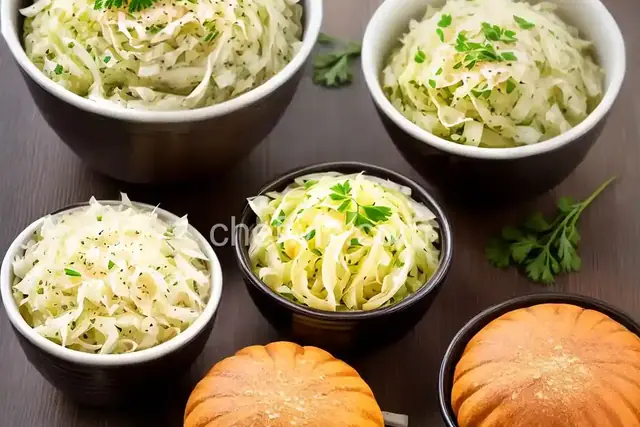
Are you a fan of tangy and crunchy fermented foods? If so, you're in for a treat! In this article, we will explore the world of homemade sauerkraut and learn how to make this delicious and healthy dish right in the comfort of your own kitchen.
Sauerkraut is a traditional German dish made from fermented cabbage. It is known for its tangy flavor and crisp texture, making it a popular ingredient in sandwiches, salads, and even hot dogs. The fermentation process not only adds a unique flavor, but it also enhances the nutritional value of the cabbage, making sauerkraut an excellent source of probiotics and vitamins.
Making sauerkraut at home has several advantages. Firstly, it allows you to control the ingredients and the fermentation process. You can customize the flavors by adding spices or other vegetables to create your own unique blend. Additionally, homemade sauerkraut is more cost-effective compared to store-bought versions, and you can make larger batches to enjoy for weeks.
The key to making sauerkraut is the fermentation process. It's a simple and natural process that involves the growth of beneficial bacteria. These bacteria convert the natural sugars in cabbage into lactic acid, which acts as a natural preservative. The lactic acid not only gives sauerkraut its characteristic tangy taste but also helps to keep the cabbage preserved for a longer period.
Start by selecting a fresh head of cabbage and remove any outer leaves that appear wilted or damaged. Rinse the cabbage under cold water and pat it dry. Next, remove the core of the cabbage and slice it into thin shreds using a sharp knife or a mandolin slicer. You can also add other vegetables like carrots or onions for added flavor and variety.
Transfer the shredded cabbage into a large bowl and sprinkle it with salt. The salt helps to draw out the moisture from the cabbage and creates a brine. Massage the cabbage with your hands for a few minutes until it starts to release liquid. This brine will create an anaerobic environment that allows the beneficial bacteria to thrive and ferment the cabbage.
Transfer the cabbage and the brine into a glass jar or a fermentation crock, pressing it down firmly to remove any air pockets. Make sure the cabbage is fully submerged in the brine to prevent unwanted bacteria from growing. Cover the jar with a lid or a fermentation weight to keep the cabbage submerged. Place the jar in a cool and dark place, like a pantry or a cupboard, and let it ferment for at least one to two weeks.
Homemade sauerkraut is a delicious and healthy addition to your meals. With just a few simple steps, you can create your own tangy and crunchy sauerkraut right at home. Experiment with different flavors and enjoy the benefits of this probiotic-rich dish. So why not give it a try and embark on your sauerkraut-making journey today?
When stored in the refrigerator, homemade sauerkraut can last for several months.
Absolutely! While traditional sauerkraut is made with green cabbage, you can experiment with red cabbage or a mix of different varieties.
Yes, sauerkraut is lactose-free as the fermentation process breaks down lactose into lactic acid.
Yes, you can adjust the salt according to your taste preferences. Just remember that salt helps with the fermentation process and acts as a natural preservative.
Absolutely! Feel free to experiment with different flavors by adding carrots, onions, garlic, or even spices like caraway seeds or dill.
You can taste your sauerkraut after a week of fermentation. If it has a tangy flavor and a crunchy texture, it's ready to be enjoyed. If you prefer a stronger flavor, you can let it ferment for a longer period.
It's recommended to use a glass jar as plastic containers can sometimes retain odors and may not provide the same level of protection against unwanted bacteria.
Yes, sauerkraut is safe to consume during pregnancy. However, it's always best to consult with your healthcare provider for any specific dietary concerns.
AprilCook, recipe developer and the heart of Chefwiz. More about April