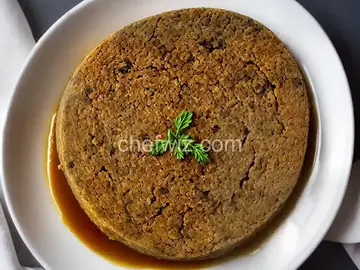
Homemade Grain-Free Organic Dog Food
Rate this recipeBe the first to rate
 By AprilPublished
 Are you looking for a healthy and nutritious option for your furry friend's meals?
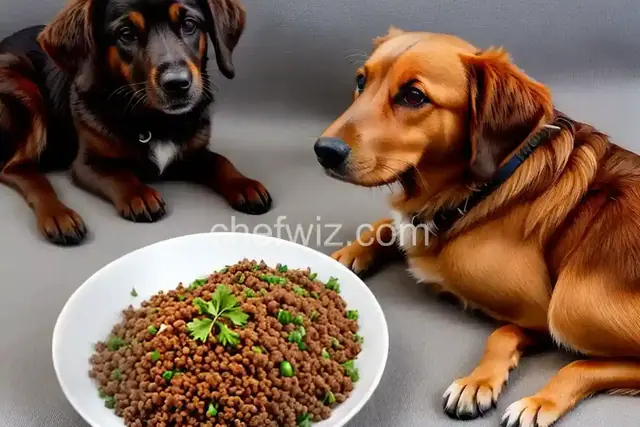 By AprilPublished
 Are you looking for a healthy and nutritious option for your furry friend's meals?
Start by washing and trimming the ends of the carrots. If you're using organic carrots, peeling is not necessary. Cut the carrots into small pieces that can be easily chopped in a food processor. Set them aside.
Using the same food processor, chop the apples, green beans, blueberries, and spinach. Set them aside.
In a large stockpot (at least 10 quarts), heat 1 tablespoon of olive oil and 1 tablespoon of coconut oil. Saute the carrots until they become softened, which should take around 5 minutes.
Add the chopped apples, green beans, blueberries, and spinach to the stockpot. Cook everything over low heat, stirring occasionally, until they are cooked through. This should take about 5 to 10 minutes.
Meanwhile, in a large skillet, heat another tablespoon of olive oil and coconut oil over medium-high heat. Cook and stir the ground beef in the skillet until it becomes browned and crumbly, which should take around 5 to 7 minutes.
Add the cooked ground beef to the stockpot. Also, add the pumpkin puree, the remaining olive oil, and coconut oil. Mix everything together until well combined. Cover the stockpot and allow the mixture to cool.
Once cooled, refrigerate the mixture for at least 8 hours or overnight.
Divide the desired portions into resealable plastic bags, removing as much air
Are you looking for a healthy and nutritious option for your furry friend's meals? Homemade grain-free organic dog food might be just what you need! In this article, we will explore the benefits of making your own dog food and provide you with some helpful tips to get started.
When it comes to your dog's diet, quality matters. Homemade dog food allows you to have full control over the ingredients you use, ensuring that your pup gets the best possible nutrition. By opting for grain-free and organic ingredients, you can eliminate potential allergens and provide a healthier alternative to commercial dog food.
Additionally, homemade dog food allows you to tailor the meals to your dog's specific needs. If your furry friend has any dietary restrictions or sensitivities, you can easily accommodate them. Plus, preparing meals at home can be a bonding experience between you and your dog.
Before diving into the world of homemade dog food, it's important to consult with your veterinarian. They can provide guidance on the specific dietary needs of your dog and recommend any supplements that may be necessary.
Once you have the green light from your vet, it's time to start planning your dog's meals. Consider the nutritional requirements of dogs, including the right balance of protein, carbohydrates, and fats. Lean meats like chicken, turkey, and beef are great sources of protein, while vegetables like sweet potatoes and carrots can provide essential vitamins and minerals.
When preparing homemade dog food, it's crucial to avoid certain ingredients that can be harmful to dogs. Onions, garlic, chocolate, and caffeine should never be included in your dog's meals. Additionally, be cautious with seasoning and spices, as some can be toxic to dogs.
If your dog is currently on a commercial diet, it's important to make the transition to homemade dog food gradually. Start by mixing a small amount of homemade food with their regular food and gradually increase the proportion over time. This will allow your dog's digestive system to adjust to the new diet without any issues.
It's also important to monitor your dog's weight and overall health throughout the transition. If you notice any changes or concerns, consult with your veterinarian for further guidance.
No, homemade dog food can actually be more cost-effective in the long run. While the upfront costs may be higher, you can buy ingredients in bulk and prepare larger batches, saving money over time.
Absolutely! Freezing homemade dog food is a great way to preserve it for future use. Just make sure to use proper storage containers and label them with the date.
It's important to create a balanced meal plan for your dog. Consult with your veterinarian or a canine nutritionist to ensure that your homemade dog food meets all of your dog's nutritional needs.
Yes, you can add supplements to your dog's homemade food. However, it's important to consult with your veterinarian before introducing any new supplements to your dog's diet.
Feeding raw food, also known as a raw diet or BARF (Biologically Appropriate Raw Food), is a personal choice. It's important to do thorough research and consult with your veterinarian before making the switch to a raw food diet.
While it may be tempting to share your leftovers with your dog, it's important to avoid certain foods that can be toxic to them. Stick to preparing separate meals specifically for your dog.
Homemade dog food can typically be stored in the refrigerator for up to three to five days. After that, it's best to discard any remaining food and prepare fresh meals.
The frequency of feeding homemade dog food depends on your dog's age, size, and activity level. Consult with your veterinarian to determine the appropriate feeding schedule for your furry friend.
In conclusion, making homemade grain-free organic dog food can be a rewarding and healthy choice for your beloved pet. By taking the time to prepare nutritious meals at home, you can ensure that your dog gets the best possible nutrition. Just remember to consult with your veterinarian and follow proper guidelines to create a balanced and safe diet for your furry friend.
AprilCook, recipe developer and the heart of Chefwiz. More about April