Homemade French Baguettes
Rate this recipeBe the first to rate
 By AprilPublished
 Are you a bread lover? Do you dream of sinking your teeth into a crusty, golden baguette straight from the oven?
 By AprilPublished
 Are you a bread lover? Do you dream of sinking your teeth into a crusty, golden baguette straight from the oven?
In a medium bowl, combine whole wheat flour, all-purpose flour, salt, yeast, and diastatic malt (if using) until well mixed (about 15 seconds).
In another medium bowl, mix water and half of the flour mixture until a thick batter forms (about 15 seconds).
Add the remaining flour mixture and mix until a uniform dough forms and there is no dry flour remaining (about 15 seconds).
Cover the bowl with a plate and let it rest at room temperature for 30 minutes.
Using lightly-moistened fingertips, fold the dough over itself by gently lifting and folding the edge toward the center. Repeat this folding process until the dough is taut and cannot be easily stretched (6 to 8 times total).
Cover the bowl with a plate and let the dough rest at room temperature until it expands about 1 1/2 times its original volume (1 to 2 hours).
Transfer the dough to a lightly-oiled 13- by 9-inch cake pan and press gently to fill the pan. Cover the pan tightly with plastic wrap and refrigerate for 15 to 48 hours.
Lightly flour a work surface and flour the top of the dough until it is no longer sticky to the touch.
Using a plastic dough scraper or spatula, release the dough from the sides of the pan if necessary and gently nudge the dough onto the floured work
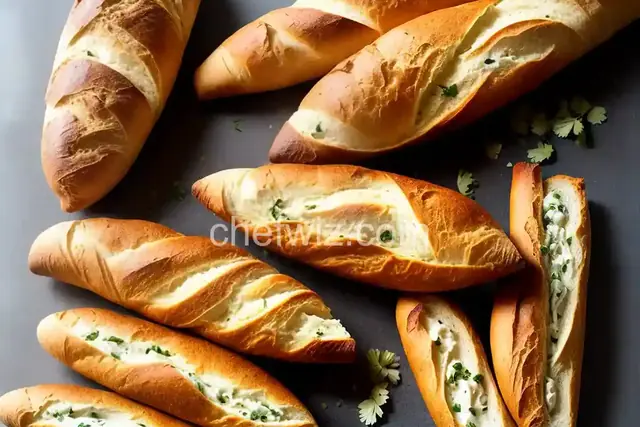
Are you a bread lover? Do you dream of sinking your teeth into a crusty, golden baguette straight from the oven? Look no further! In this article, we will explore the art of making homemade French baguettes. Get ready to embark on a delightful baking adventure that will transport you to the streets of Paris.
Before we dive into the intricacies of baguette-making, let's take a moment to appreciate the magic of these iconic French loaves. Baguettes are more than just bread; they are a symbol of French culture and savoir-faire. Their crispy crusts and light, airy interiors make them the perfect accompaniment to any meal. Whether you enjoy them with butter and jam for breakfast or use them as a base for a delicious sandwich, baguettes are sure to elevate your culinary experience.
Now that we understand the allure of baguettes, let's roll up our sleeves and start baking! Making homemade French baguettes may seem intimidating, but with a bit of practice and the right technique, anyone can achieve bakery-quality results.
Like any great masterpiece, a baguette starts with the perfect canvas - the dough. The key to a light and airy baguette lies in its fermentation process. By allowing the dough to rise slowly, the flavors develop and the gluten structure strengthens, resulting in that coveted chewy texture.
Once the dough has gone through its fermentation journey, it's time to shape and score. Shaping the baguettes requires finesse and precision. The dough needs to be gently stretched and folded to create that long, slender shape we associate with baguettes. The scoring, or slashing, of the dough not only adds an aesthetic touch but also allows the bread to expand and release steam during baking, resulting in that signature crispy crust.
Homemade French baguettes are a delightful culinary adventure that brings a taste of Paris to your kitchen. With a bit of practice and the right technique, you'll be able to create bakery-quality baguettes that will impress even the most discerning bread connoisseurs. So, grab your apron, gather your ingredients, and get ready to savor the joy of homemade baguettes!
While bread flour is preferred for its higher protein content, you can use all-purpose flour if that's what you have on hand. Keep in mind that the texture and rise may differ slightly.
To achieve a crispy crust, it's crucial to have a steamy baking environment. Preheat your oven with a baking stone or an inverted baking sheet. Place a pan with hot water in the oven to create steam during baking.
Yes, you can freeze the dough after the first rise. Simply shape the baguettes, place them on a baking sheet lined with parchment paper, and freeze. Once frozen, transfer them to a freezer-safe bag. When ready to bake, thaw the baguettes in the refrigerator overnight and proceed with the recipe.
Baguettes are best enjoyed fresh on the day they are baked. However, you can store them in a paper bag at room temperature for up to 2 days. To revive stale baguettes, simply sprinkle them with water and reheat in a preheated oven for a few minutes.
Absolutely! You can experiment with different flavors by adding herbs, cheese, or even olives to your dough. Just make sure to adjust the quantities accordingly and allow for additional rising time.
While a bread machine can help with the dough preparation, shaping and scoring the baguettes are best done by hand. The tactile experience is part of the joy of making baguettes.
Yes, you can adjust the size of your baguettes according to your preference. Simply divide the dough into smaller portions and adjust the baking time accordingly.
Yes, you can substitute active dry yeast with instant yeast. Keep in mind that the rising times may vary, so make sure to follow the instructions on the yeast package.
AprilCook, recipe developer and the heart of Chefwiz. More about April