Ka'ak al Quds (Jerusalem Sesame Bread)
Rate this recipeBe the first to rate
 By AprilPublished
 Have you ever tasted a bread that takes you on a journey to a different place and time?
 By AprilPublished
 Have you ever tasted a bread that takes you on a journey to a different place and time?
In the bowl of a stand mixer fitted with a dough hook, combine bread flour, sugar, salt, yeast, baking powder, and milk. Mix at medium speed until a smooth and elastic dough forms. Alternatively, mix the dough ingredients in a large bowl and knead by hand until a smooth and elastic dough forms.
Rub the dough all over with a light coating of olive oil. Cover the bowl with a damp kitchen towel or plastic wrap and let it rise in a warm location for about 1 hour, or until almost doubled in size.
In a large shallow tray, stir together the sesame seeds and grape molasses. Gradually add water, 1 tablespoon at a time, until the mixture is thinned enough to prevent clumping (about 2 to 4 tablespoons in total). Set aside.
Gently punch down the risen dough. Divide it into 6 equal portions and place them on a lightly floured work surface. Loosely cover the portions with plastic wrap or a kitchen towel and let them rest for 15 minutes.
Preheat the oven to 450°F (220°C) and line two rimmed baking sheets with parchment paper. Working with one portion of dough at a time, roll and stretch it into a 12-inch long log. Pinch the ends together to form a ring and place it on the lightly floured work surface. Repeat this step for the remaining portions of dough. Cover the formed rings with
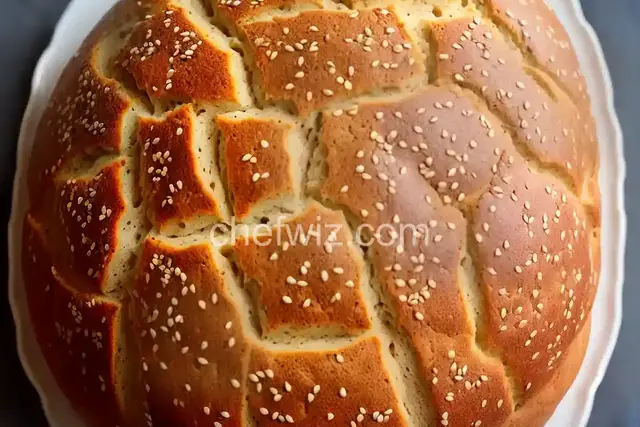
Have you ever tasted a bread that takes you on a journey to a different place and time? Ka'ak al Quds, also known as Jerusalem Sesame Bread, is a culinary delight that transports you to the vibrant streets of Jerusalem. This traditional bread, with its distinctive ring shape and sesame seed topping, is not just a treat for the taste buds but also a symbol of the rich cultural heritage of the region.
Like many ancient recipes, the origins of Ka'ak al Quds are shrouded in mystery. This bread has been a staple in the Middle East for centuries, with its roots tracing back to the Ottoman Empire. It was commonly baked and sold by street vendors in the bustling markets of Jerusalem, offering a quick and delicious snack for locals and visitors alike.
What makes Ka'ak al Quds truly unique is the combination of flavors and textures. The dough is made from simple ingredients like flour, water, yeast, and a pinch of salt, yet it yields a bread that is chewy on the inside and delightfully crunchy on the outside. The sesame seed topping adds a nutty aroma and a subtle hint of sweetness.
Baking Ka'ak al Quds is not just a culinary process; it's an art form that requires skill and patience. The dough is carefully kneaded and shaped into rings, symbolizing unity and continuity. The bread is then brushed with a mixture of water and sugar, giving it a glossy finish, before being generously coated with sesame seeds.
As the bread bakes in the oven, the sesame seeds toast and release their aromatic oils, creating a tantalizing aroma that fills the kitchen. The golden brown crust forms a protective shell around the soft, pillowy interior, resulting in a perfect balance of textures.
Ka'ak al Quds is best enjoyed fresh out of the oven when the bread is still warm and the sesame seeds are at their crunchiest. You can savor it on its own, tear off a piece and dip it into olive oil or hummus, or use it as a vessel for your favorite sandwich fillings. The possibilities are endless!
Whether you're in Jerusalem or thousands of miles away, Ka'ak al Quds can bring a taste of the Middle East to your kitchen. Its simplicity and versatility make it a favorite among home bakers and professional chefs alike.
Ka'ak al Quds is more than just a bread; it's a symbol of tradition, culture, and the joy of sharing food with loved ones. Its simple yet satisfying flavors, combined with its rich history, make it a true delight for anyone who experiences it. So why not embark on your own culinary journey and bake a batch of Ka'ak al Quds today? Your taste buds will thank you!
Absolutely! While traditional Ka'ak al Quds is made with all-purpose flour, you can experiment with different types of flour to suit your dietary preferences or add a unique twist to the recipe.
The baking time can vary depending on your oven, but on average, it takes about 15-20 minutes to achieve the perfect golden brown crust. Keep an eye on it to avoid over-browning.
Yes, you can freeze Ka'ak al Quds for later enjoyment. Just make sure to wrap it tightly in plastic wrap or place it in an airtight container before freezing. When you're ready to eat, simply thaw it at room temperature or warm it up in the oven for a few minutes.
While the traditional recipe remains popular, there are variations of Ka'ak al Quds that incorporate different spices, herbs, or fillings. Some recipes add za'atar, a Middle Eastern spice blend, while others stuff the bread with cheese or olives.
Absolutely! If you prefer bite-sized treats, you can shape the dough into smaller rings or even experiment with different shapes like twists or knots. Just adjust the baking time accordingly.
Yes, the basic recipe for Ka'ak al Quds is vegan-friendly as it doesn't include any animal products. However, if you choose to add fillings or toppings, make sure they align with your dietary preferences.
Of course! While sesame seeds are the traditional choice for Ka'ak al Quds, you can get creative and add other seeds like poppy seeds, flax seeds, or sunflower seeds for added flavor and texture.
To keep your Ka'ak al Quds fresh, store it in an airtight container or wrap it tightly in plastic wrap. It will stay delicious for a couple of days at room temperature. If it starts to lose its freshness, you can warm it up in the oven for a few minutes to revive its crunchiness.
AprilCook, recipe developer and the heart of Chefwiz. More about April