Homemade Bird Food and Bird Feeder
Rate this recipeBe the first to rate
 By AprilPublished
 Are you a bird lover? Do you enjoy watching colorful feathered friends fluttering around in your backyard?
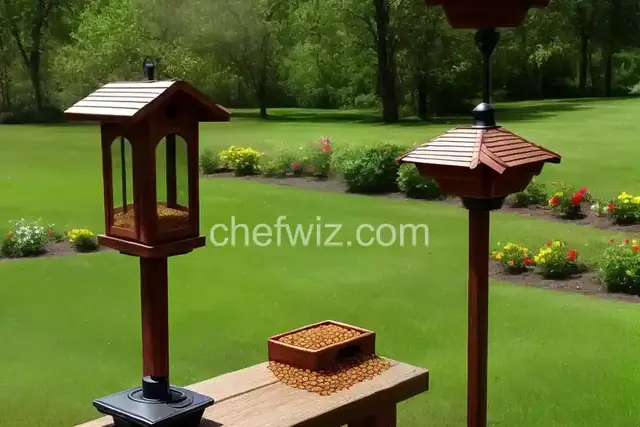 By AprilPublished
 Are you a bird lover? Do you enjoy watching colorful feathered friends fluttering around in your backyard?
Cut the orange in half horizontally.
Hold one half of the orange over a mixing bowl and use a spoon to scoop out the flesh into the bowl, collecting the juices and being careful not to break the peel. Repeat with the other half of the orange.
Use kitchen shears to cut the flesh of the orange into smaller pieces.
In the same bowl, add the almond butter, oats, dried cranberries, pepitas, and 1/4 cup of sunflower seeds. Mix everything together evenly using a rubber spatula. Set aside.
Take a wooden skewer and pierce a hole through one side of the orange peel, about 1/2 inch below the cut. Thread the skewer through the orange until it reaches the other side. Create two holes directly across from each other by repeating this process. Repeat with the other orange half.
Use the skewer to help guide one end of a piece of kitchen twine through two of the mirroring holes. Tie a knot at both ends of the twine to secure it inside the orange. Repeat with the remaining twine.
Take one of the wooden skewers and poke it through one side of the orange, creating a perch. Repeat with the other skewer, creating a cross. Repeat this step with the second orange half.
Fill each orange half with the almond butter mixture. Sprinkle the remaining 1/4 cup of sunflower seeds on
Are you a bird lover? Do you enjoy watching colorful feathered friends fluttering around in your backyard? Creating homemade bird food and bird feeders can be a delightful way to attract a variety of birds to your garden. Not only is it a rewarding experience, but it also allows you to have control over the quality of food you provide for our avian friends. In this article, we will explore the art of making homemade bird food and bird feeders, giving you the tools to create a haven for birds right in your own backyard.
Making your own bird food has several benefits. First and foremost, it allows you to ensure that the food you offer is free from harmful chemicals and preservatives. Commercial bird food often contains additives that might not be ideal for our feathered friends. By creating your own bird food, you can use organic ingredients and avoid any potential harm to the birds.
Secondly, homemade bird food gives you the opportunity to cater to the specific dietary needs of different bird species. Different birds have different preferences and nutritional requirements. By making your own bird food, you can create custom blends that attract a wide variety of birds to your garden.
Making homemade bird food is a simple and enjoyable process. Start by gathering the necessary ingredients, such as seeds, nuts, fruits, and grains. You can find these ingredients at your local grocery store or bird specialty shops. Once you have your ingredients, mix them together in a large bowl. You can experiment with different ratios to find the perfect blend that attracts the birds you desire.
Once your bird food mixture is ready, you can place it in a bird feeder or scatter it on a flat surface in your garden. Remember to clean the feeder regularly to maintain hygiene and prevent the spread of diseases among the birds. It's important to note that different bird species have different feeding habits, so it's a good idea to research the feeding preferences of the birds you wish to attract.
While store-bought bird feeders are readily available, creating your own homemade bird feeder can be a fun and creative project. You can repurpose everyday items such as plastic bottles, milk cartons, or even old teacups to make unique bird feeders. All you need is a little imagination and some basic crafting supplies.
One simple idea is to turn a plastic bottle into a bird feeder. Cut small holes near the base of the bottle for birds to access the food. Attach a string or wire to hang the feeder from a tree branch or a hook. Fill the bottle with your homemade bird food and watch as the birds flock to your backyard oasis.
Creating homemade bird food and bird feeders is a fantastic way to connect with nature and enjoy the beauty of our feathered friends. By providing them with nutritious food and a safe haven, you can attract a diverse range of birds to your garden. So why not embark on this exciting journey of DIY bird feeding? Your backyard will soon become a vibrant and lively space, filled with the melodious tunes of our winged companions.
A1: Different bird species have different seed preferences. Research the birds you wish to attract and use a blend of seeds that they enjoy.
A2: While it's tempting to use kitchen leftovers, it's best to stick to fresh, unprocessed ingredients. Leftovers may contain seasonings or substances that are harmful to birds.
A3: Cleaning your bird feeder once a week is recommended to prevent the spread of diseases. Use hot, soapy water and thoroughly rinse before refilling with fresh bird food.
A4: Place your bird feeder in a quiet and safe spot, away from predators. Ideally, it should be near trees or shrubs where birds can take cover.
A5: Homemade bird food can last for several weeks if stored in an airtight container in a cool, dry place. Be sure to check for signs of spoilage before offering it to the birds.
A6: Yes, certain bird species are attracted to specific types of food. Research the preferences of the birds you want to attract and tailor your homemade bird food accordingly.
A7: Absolutely! Making homemade bird food and feeders can be a fun and educational activity for children. It teaches them about nature, creativity, and the importance of caring for wildlife.
A8: When crafting bird feeders, ensure that there are no sharp edges or small parts that could harm the birds. Use non-toxic materials and avoid using glue or paint that may contain harmful chemicals.
AprilCook, recipe developer and the heart of Chefwiz. More about April