Basil Oil (and Other Herb Flavored Oils)
Rate this recipeBe the first to rate
 By AprilPublished
 Have you ever wondered how to add an extra burst of flavor to your dishes?
 By AprilPublished
 Have you ever wondered how to add an extra burst of flavor to your dishes?
Place the herbs and oil in a blender and blend until smooth.
Transfer the mixture to a saucepan and heat over moderate heat until it starts to simmer.
Allow the mixture to simmer for 45 seconds.
Pour the mixture through a fine-mesh strainer into a bowl. Avoid pressing on the mixture, but you can tap the strainer against your hand to help the oil drip through.
Immediately strain the oil again through a flat-bottomed paper filter. If the filter gets clogged, consider changing it midway.
You can gently squeeze the filter to hasten the oil extraction, but be cautious not to break it.
Initially, some dark liquid may pass through the filter, which is water. It will settle at the bottom due to its weight.
After a few hours, allow the filtered oil to settle and carefully pour off the dark liquid.
Store the oil in an airtight jar in a cool, dark location.
Have you ever wondered how to add an extra burst of flavor to your dishes? Look no further than herb flavored oils! These aromatic oils not only enhance the taste of your favorite recipes, but they also add a touch of elegance to your culinary creations. In this article, we will explore the world of herb flavored oils, with a focus on the popular and versatile basil oil.
Imagine a world where a simple drizzle of oil can transform an ordinary dish into a masterpiece. Herb flavored oils have this incredible power. They infuse the essence of herbs into a neutral oil, creating a flavorful concoction that can be used in a variety of ways. Whether you want to dress up a salad, marinate meat, or simply dip bread, herb flavored oils are the secret ingredient that will take your cooking to the next level.
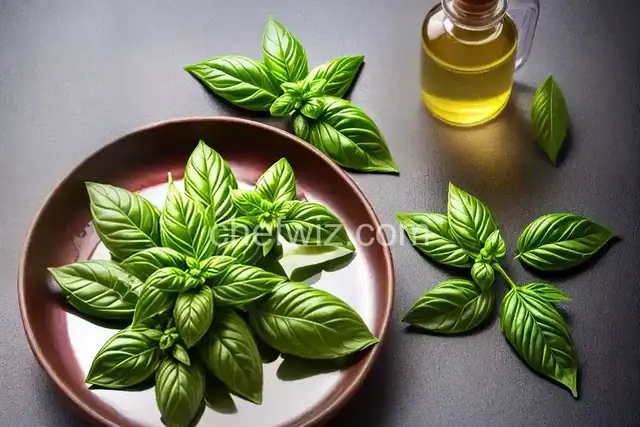
Basil oil is one of the most popular herb flavored oils, and for good reason. Its vibrant green color and aromatic fragrance make it a feast for the senses. Made by infusing fresh basil leaves into a high-quality oil, basil oil adds a fresh and herbaceous flavor to any dish. It pairs exceptionally well with tomatoes, cheeses, and pasta, making it a staple in Italian cuisine.
Creating your own basil oil at home is easier than you might think. Simply gather a bunch of fresh basil leaves, wash and dry them thoroughly, and place them in a clean jar. Pour a neutral oil, such as olive or grapeseed oil, over the basil leaves until they are fully submerged. Seal the jar and let it sit in a cool, dark place for at least a week, allowing the flavors to meld together. Once the oil has developed a strong basil flavor, strain out the leaves and transfer the oil to a bottle for storage.
Herb flavored oils, such as basil oil, are a fantastic way to elevate your cooking and add a touch of sophistication to your dishes. Whether you make them at home or purchase them from a gourmet store, these oils are sure to impress. So why not unleash your inner chef and get creative with herb flavored oils? The possibilities are endless, and the flavors are waiting to be explored.
While fresh herbs are preferred for making herb flavored oils, you can use dried herbs if fresh ones are not available. Just remember that the flavors may not be as vibrant as when using fresh herbs.
Herb flavored oils can be stored for up to six months if kept in a cool, dark place. However, it's always best to use them within a few weeks to enjoy the freshest flavors.
While herb flavored oils can add great flavor to fried dishes, they have a lower smoke point than neutral oils. It's best to use them as finishing oils or for low-heat cooking.
When made and stored properly, herb flavored oils are safe to consume. However, it's important to use clean utensils and jars to prevent the growth of bacteria. If you notice any signs of spoilage, such as a foul odor or mold, discard the oil immediately.
Yes, herb flavored oils can add a unique twist to baked goods. Experiment with small amounts and adjust the other ingredients accordingly to achieve the desired flavor.
In addition to basil, herbs like rosemary, thyme, and oregano are popular choices for flavored oils. Each herb imparts its own distinct flavor, allowing you to create a wide range of delicious oils.
Absolutely! Combining different herbs in one oil can lead to exciting flavor combinations. Get creative and experiment with your favorite herbs to create your own unique blends.
Yes, herb flavored oils are suitable for both vegetarians and vegans as long as they are made with plant-based oils and do not contain any animal-derived ingredients.
AprilCook, recipe developer and the heart of Chefwiz. More about April