Holland Boterkoek
Rate this recipeBe the first to rate
 By AprilPublished
 Imagine sinking your teeth into a rich, buttery slice of Holland Boterkoek, a delightful Dutch treat that is sure to transport your taste buds to the…
 By AprilPublished
 Imagine sinking your teeth into a rich, buttery slice of Holland Boterkoek, a delightful Dutch treat that is sure to transport your taste buds to the…
Preheat the oven to 350 degrees F (175 degrees C).
Grease a 9 inch round cake pan or pie plate.
In a medium bowl, use an electric mixer to combine the butter, sugar, and almond extract until it becomes light and fluffy.
Add the egg to the mixture and blend well.
In a separate bowl, combine the flour and baking powder.
Stir the flour mixture into the butter mixture using a sturdy spoon until a dough forms a ball.
Press the dough into the prepared pan.
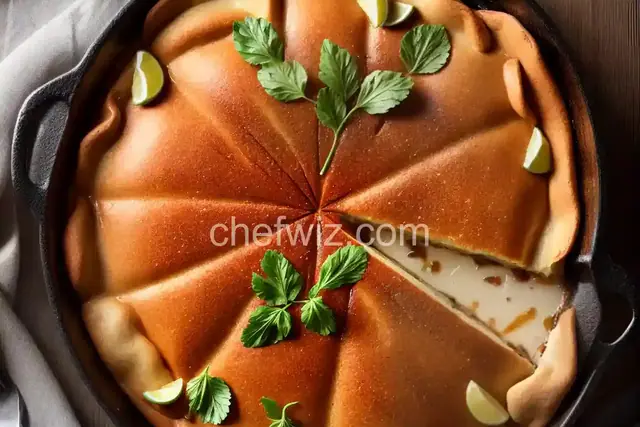
Bake in the preheated oven for 30 to 40 minutes, or until the top turns light golden brown.
Allow the cake to cool, then slice it into wedges before serving.
Imagine sinking your teeth into a rich, buttery slice of Holland Boterkoek, a delightful Dutch treat that is sure to transport your taste buds to the beautiful windmills and tulip fields of the Netherlands. This indulgent pastry is a true crowd-pleaser, with its golden crust and moist, buttery interior. In this article, we will delve into the history and flavors of Holland Boterkoek, and discover why it has become a beloved dessert in Dutch households.
Just like the intricate patterns of Delftware and the paintings of Rembrandt, Holland Boterkoek has a rich history that dates back centuries. This traditional Dutch pastry was initially created as a way to make use of surplus butter, which was a common ingredient in Dutch households. The word "boterkoek" itself translates to "butter cake," highlighting the importance of this key ingredient.
Creating a perfect Holland Boterkoek requires a delicate balance of ingredients. The star of the show is, of course, butter. Lots and lots of butter. This golden delight is made by creaming together butter and sugar until light and fluffy. Then, flour, eggs, and a pinch of salt are added to create a soft and pliable dough. The dough is then pressed into a greased cake tin to achieve that signature Boterkoek shape.
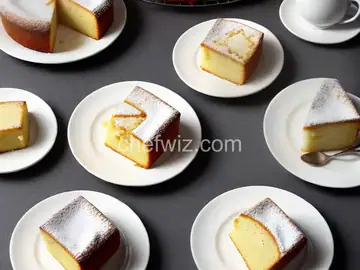
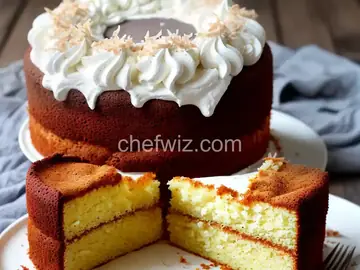
One bite into a slice of Holland Boterkoek and you'll experience a symphony of flavors and textures. The exterior boasts a golden, slightly crisp crust, while the interior is moist, dense, and oh-so-buttery. It's like taking a bite of pure bliss. The combination of the rich butter and the sweetness of the sugar creates a flavor profile that is both indulgent and comforting.
Holland Boterkoek is a versatile dessert that can be enjoyed in many ways. Traditionally, it is served in thin slices alongside a cup of piping hot coffee or tea. The buttery flavor pairs perfectly with the bitterness of the coffee, creating a harmonious balance of flavors. For an extra touch of indulgence, you can also serve it with a dollop of freshly whipped cream or a scoop of vanilla ice cream.
In conclusion, Holland Boterkoek is a delectable Dutch treat that has stood the test of time. Its rich history, buttery flavor, and versatile serving options make it a beloved dessert in Dutch households. Whether you enjoy it with a cup of coffee, a dollop of cream, or simply on its own, Holland Boterkoek is sure to satisfy your sweet tooth and transport you to the picturesque landscapes of the Netherlands. So go ahead, indulge in a slice of this delightful pastry and experience a taste of Dutch tradition.
Yes, you can freeze Holland Boterkoek. Simply wrap it tightly in foil or place it in an airtight container before freezing. It can be stored in the freezer for up to three months. To enjoy it, let it thaw at room temperature for a few hours or heat it in the oven for a few minutes.
Absolutely! While the traditional recipe does not include nuts or dried fruits, you can certainly get creative and add your favorite ingredients. Chopped almonds, pistachios, or even dried cranberries can add a delightful crunch and burst of flavor to the Boterkoek.
Yes, Holland Boterkoek is suitable for vegetarians as it does not contain any meat or animal-derived ingredients. However, it does contain eggs and dairy, so it may not be suitable for vegans.
Yes, you can make a gluten-free version of Holland Boterkoek by using gluten-free flour instead of regular flour. However, keep in mind that the texture and taste may differ slightly from the traditional recipe.
While you can technically substitute margarine for butter, it may alter the flavor and texture of the Holland Boterkoek. Butter is the key ingredient that gives the Boterkoek its rich, buttery taste. For the best results, it is recommended to use butter.
Holland Boterkoek can stay fresh for up to a week when stored in an airtight container at room temperature. However, it is best enjoyed within the first few days when it is at its prime.
Certainly! Adding spices like cinnamon or nutmeg can add a warm and aromatic touch to the Holland Boterkoek. Sprinkle a pinch of your favorite spice into the dough before baking for an extra layer of flavor.
Holland Boterkoek stands out from other butter cakes due to its dense and moist texture. Unlike lighter and fluffier cakes, Boterkoek has a rich, melt-in-your-mouth consistency that is unique to Dutch baking.
AprilCook, recipe developer and the heart of Chefwiz. More about April