Hurricane Cake
Rate this recipeBe the first to rate
 By AprilPublished
 Have you ever experienced the thrill of a hurricane? The raging winds, the pouring rain, and the electrifying energy in the air?
 By AprilPublished
 Have you ever experienced the thrill of a hurricane? The raging winds, the pouring rain, and the electrifying energy in the air?
Preheat the oven to 350 degrees F (175 degrees C).
In a 9x13-inch pan, melt and spread 1/2 cup of margarine.
Evenly sprinkle coconut and pecans over the bottom of the pan. Set aside.
In a large bowl, combine cake mix, water, oil, and eggs to make the cake batter.
Stir the batter until well combined.
Pour the cake batter over the coconut and pecans in the pan.
In a saucepan over low heat, melt the remaining 1/2 cup of margarine and cream cheese together.
Stir in confectioners' sugar until the mixture is smooth.
Randomly spoon the cream cheese mixture over the top of the cake batter.
Bake in the preheated oven for 35 to 40 minutes, or until a toothpick inserted into the center of the cake comes out clean.
Allow the cake to cool, then serve it directly from the pan.
Note: If using a different brand of cake mix, follow the instructions on the box regarding oven temperature, added ingredients, and cooking time.
Have you ever experienced the thrill of a hurricane? The raging winds, the pouring rain, and the electrifying energy in the air? While storms can be frightening, they also have a way of captivating us. Just like a hurricane, a well-made cake can be a force of nature that brings people together. Let's explore the delicious world of hurricane cakes and why they are the perfect dessert for stormy days.
Like many culinary creations, the origins of the hurricane cake are shrouded in mystery. Some say it was first made by a resourceful baker during a particularly intense storm, using the limited ingredients available to create a masterpiece. Others believe it was inspired by the swirling motion of the winds, with layers of flavors representing the different elements of the storm.
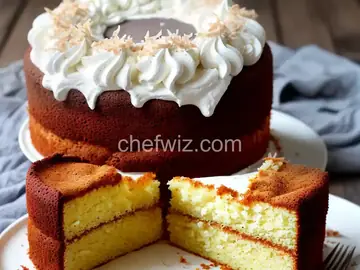
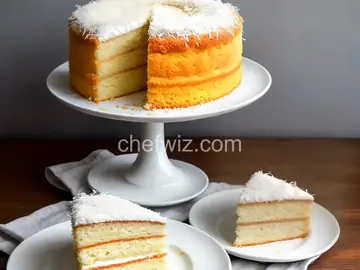
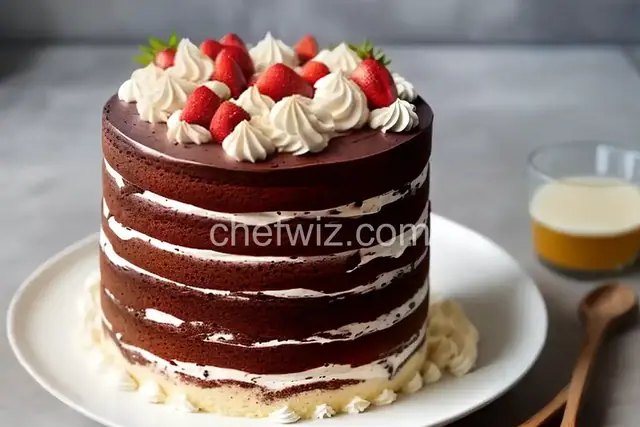
Just like a hurricane, a well-made cake has different layers that come together to create a harmonious experience. The base layer provides stability, while the filling adds depth and complexity. The frosting, like the storm's winds, brings everything together and adds a touch of sweetness. And let's not forget the decorations - like raindrops on a windowpane, they add a touch of magic to the final creation.
When it comes to flavors, the possibilities are endless. You can opt for a classic combination like chocolate and vanilla, or go for something more adventurous like a tropical blend of pineapple and coconut. The key is to choose flavors that complement each other and create a symphony of taste.
Now that we've explored the origins and anatomy of a hurricane cake, let's dive into the process of baking one. Baking a hurricane cake is like embarking on an adventure - you never know what surprises await you along the way. The process requires a dash of creativity, a pinch of patience, and a whole lot of love.
Before you start baking, gather all the necessary ingredients. This includes the usual suspects like flour, sugar, eggs, and butter, as well as any additional flavors and fillings you want to incorporate. Think of it as gathering your supplies before a storm - you want to be prepared for anything that comes your way.
Once you have your ingredients ready, it's time to mix them together and create the different layers of your cake. Just like a hurricane, the mixing process can be intense - you need to make sure everything is well combined and evenly distributed. As you layer the batter, think of it as building the different elements of the storm, one on top of the other.
As the tantalizing aroma of your freshly baked hurricane cake fills the air, it's time to gather your loved ones and share the joy. Just like a hurricane brings people together in solidarity, a slice of hurricane cake has the power to create lasting memories and strengthen bonds.
1. What makes a hurricane cake different from a regular cake?
A hurricane cake is typically made with multiple layers and flavors, representing the different elements of a storm.
2. Can I customize the flavors of my hurricane cake?
Absolutely! Feel free to get creative and experiment with different flavors that you enjoy.
3. How long does it take to bake a hurricane cake?
The baking time can vary depending on the recipe and size of the cake, but on average, it takes about an hour.
4. Can I make a hurricane cake without eggs?
Yes, there are eggless recipes available that use substitutes like applesauce or yogurt.
5. Can I freeze a hurricane cake?
Yes, you can freeze a hurricane cake for future enjoyment. Just make sure to wrap it tightly to prevent freezer burn.
6. Can I make a gluten-free hurricane cake?
Certainly! There are plenty of gluten-free recipes available that use alternative flours.
7. What are some popular flavor combinations for hurricane cakes?
Popular combinations include chocolate and raspberry, lemon and blueberry, and caramel and pecan.
8. Can I make mini hurricane cakes instead of a large one?
Absolutely! You can use smaller cake pans or even bake the batter in muffin tins to create individual-sized hurricane cakes.
Just like a hurricane, a well-made cake has the power to captivate and bring people together. Whether you're weathering an actual storm or simply craving a delicious dessert, a slice of hurricane cake is sure to satisfy your cravings. So, gather your ingredients, let your creativity run wild, and enjoy the sweet experience that is a hurricane cake.
AprilCook, recipe developer and the heart of Chefwiz. More about April