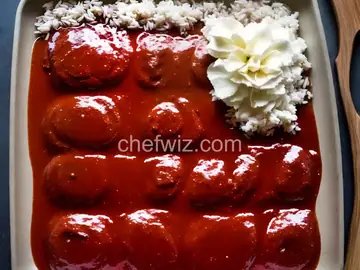
Ham Glaze
Rate this recipeBe the first to rate
 By AprilPublished
 Are you ready to elevate your holiday ham to the next level? Look no further than a delicious ham glaze.
 By AprilPublished
 Are you ready to elevate your holiday ham to the next level? Look no further than a delicious ham glaze.
In the work bowl of a food processor, combine brown sugar, garlic, mango chutney, orange zest, orange juice, and mustard.
Process the mixture until it becomes smooth.
To use the glaze, brush it onto cooked smoked ham.
Bake the ham at 350 degrees F for 1 hour.
Are you ready to elevate your holiday ham to the next level? Look no further than a delicious ham glaze. Just like the icing on a cake, a ham glaze adds that extra touch of flavor and sweetness that will leave your guests begging for seconds. In this article, we'll explore the art of ham glazing and share some mouthwatering ideas to make your holiday feast truly unforgettable.
Imagine a golden, caramelized coating that perfectly complements the smoky and savory flavors of a juicy ham. That's exactly what a ham glaze does. It's a mixture of ingredients, such as honey, brown sugar, mustard, and spices, that is brushed onto the ham before it's baked. As the ham cooks, the glaze caramelizes, creating a heavenly combination of sweet and savory flavors.
Glazing a ham not only enhances its taste but also adds visual appeal. The glossy, caramelized coating gives the ham an irresistible golden sheen that will have your guests' mouths watering. Plus, the combination of sweet and savory flavors creates a perfect balance that will make your ham the star of the holiday table.
Creating the perfect ham glaze requires a bit of finesse. Here are some tips to help you achieve glazing perfection:
A good ham glaze should have the right balance of sweetness and savory flavors. Experiment with the ratio of sweet ingredients like honey or brown sugar to savory ingredients like mustard or spices until you find the perfect combination that suits your taste buds.
Want to give your ham glaze a little kick? Add a touch of heat with ingredients like cayenne pepper, chili powder, or hot sauce. The heat will cut through the sweetness and add an extra layer of complexity to your glaze.
Citrus fruits, such as orange or lemon, can add a refreshing brightness to your glaze. The acidity of the citrus will help balance the richness of the ham and provide a burst of flavor that will leave your guests wanting more.
Spices are the secret ingredient that can take your ham glaze from ordinary to extraordinary. Try adding cinnamon, cloves, nutmeg, or even a hint of ginger to add depth and complexity to your glaze. The aroma alone will make your kitchen smell like a winter wonderland.
Now that you have some tips under your belt, let's dive into some mouthwatering ham glaze ideas that will make your taste buds dance:
Combine the sweetness of maple syrup with the tanginess of Dijon mustard for a glaze that strikes the perfect balance of flavors.
Get a tropical twist by combining pineapple juice with brown sugar. The natural sweetness of the pineapple will infuse your ham with a burst of juicy flavor.
Add a touch of sophistication to your ham with a glaze made from bourbon and freshly squeezed orange juice. The combination of flavors will transport your taste buds to a whole new level.
You can never go wrong with a classic honey mustard glaze. The sweetness of honey and the tanginess of mustard create a timeless combination that will have everyone coming back for more.
Absolutely! Glazing a pre-cooked ham is a great way to add extra flavor and visual appeal. Simply brush the glaze onto the ham and bake until heated through and caramelized.
Yes, you can prepare the glaze ahead of time and store it in the refrigerator. When you're ready to glaze your ham, simply bring the glaze to room temperature and brush it onto the ham before baking.
The baking time will depend on the size and type of ham you're using. As a general rule, bake the ham at a low temperature (around 325°F) for about 15-20 minutes per pound, or until the internal temperature reaches 140°F.
Absolutely! If you're looking for a healthier alternative, you can use natural sweeteners like agave nectar, maple syrup, or even fruit preserves in your glaze.
While ham is the traditional choice for glazing, you can certainly experiment with glazes on other meats like pork tenderloin or even chicken. The flavor combinations are endless!
Of course! If you're serving a vegetarian alternative to ham, like a seitan or tofu roast, you can still use a glaze to add flavor and visual appeal. Simply brush the glaze onto the roast before baking or grilling.
Absolutely! The leftover glaze can be heated and served as a sauce alongside your ham. Just make sure to bring it to a boil before using it as a sauce to ensure it's safe to consume.
It's generally not recommended to freeze a glazed ham, as the glaze can become watery and lose its texture when thawed. It's best to enjoy your glazed ham fresh or refrigerate any leftovers for later consumption.
AprilCook, recipe developer and the heart of Chefwiz. More about April